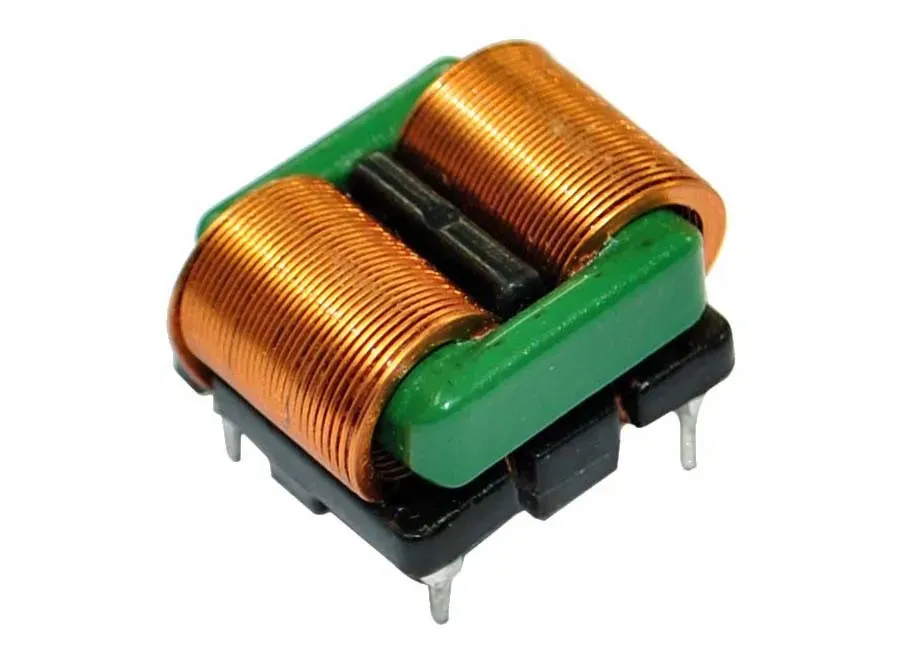

Selecting the right cable is one of the most important decisions in any electrical installation. Whether you're working on industrial machinery, renewable energy systems, automotive applications, or heavy-duty power distribution, choosing the correct Single-core High-current cable ensures safe, reliable, and efficient performance. A poorly chosen cable can lead to overheating, energy loss, equipment damage, and costly maintenance.
Modern electrical systems demand cables that can withstand challenging environments while maintaining consistent conductivity. Alongside high-quality cables, accessories such as 2-5 Pin Watertight Connectors also play an essential role in creating secure and durable electrical connections, especially in outdoor or moisture-prone environments.
This guide explains the essential features you should evaluate before purchasing a cable for high-current applications.
Why Cable Selection Matters
Electrical cables are responsible for transferring power safely from one point to another. When high levels of current are involved, the quality of the cable becomes even more critical. An undersized or poorly insulated cable can generate excessive heat, resulting in reduced efficiency and potential safety hazards.
By selecting the appropriate cable based on your operating conditions, you improve system reliability, reduce downtime, and extend the lifespan of connected equipment.
Current Carrying Capacity
One of the first features to evaluate is current carrying capacity. Every cable has a maximum amount of electrical current it can safely transmit without overheating.
The conductor size, insulation type, installation method, and surrounding temperature all influence current capacity. Always choose a cable with sufficient capacity for both your current load and any anticipated future expansion.
A properly rated Single-core High-current cable helps minimize voltage drop while ensuring safe operation under demanding electrical loads.
Conductor Material
The conductor is the heart of every electrical cable. Copper remains the preferred material because of its excellent conductivity, flexibility, and durability. Aluminum is another option that offers lower weight and cost but generally requires a larger cross-sectional area to achieve comparable performance.
When comparing cables, look for:
- High-purity copper conductors
- Excellent conductivity
- Corrosion resistance
- Long operational lifespan
Premium conductor materials reduce energy losses and improve the overall efficiency of electrical systems.
Insulation Quality
Insulation protects the conductor from electrical leakage, mechanical damage, and environmental hazards. Different insulation materials are designed for different operating conditions.
Common insulation options include:
- PVC for general applications
- XLPE for higher temperatures
- Rubber insulation for flexibility
- Specialized flame-retardant materials for hazardous environments
Quality insulation ensures consistent performance even under heavy electrical loads.
Temperature Resistance
Heat is one of the biggest challenges in high-current installations. As electrical current increases, conductor temperature also rises.
Look for cables that offer high operating temperature ratings suitable for your application. Many industrial cables are designed to function safely at temperatures exceeding 90°C, while specialized versions can withstand even higher conditions.
Choosing the right Single-core High-current cable with proper thermal performance significantly improves system safety.
Mechanical Strength
Electrical installations often experience vibration, bending, pulling, or mechanical stress during operation. Strong cable construction helps prevent internal conductor damage and insulation failure.
Important mechanical features include:
- Flexible stranded conductors
- Abrasion-resistant outer sheath
- Crush resistance
- High tensile strength
- Bend flexibility
These characteristics are especially valuable in manufacturing facilities, mining operations, transportation systems, and construction sites.
Environmental Protection
Many electrical systems operate outdoors or in harsh industrial environments where moisture, dust, chemicals, oils, or UV exposure are common.
When evaluating a cable, verify that it offers protection against:
- Water exposure
- Oil and grease
- Chemical corrosion
- UV radiation
- Extreme weather
- Dust contamination
For complete protection, installers frequently combine quality cables with 2-5 Pin Watertight Connectors, helping maintain sealed electrical connections even in demanding environments.
Voltage Rating
Every cable is designed for a specific voltage range. Selecting an incorrect voltage rating can compromise insulation performance and increase safety risks.
Always ensure the cable matches the operating voltage of your electrical system while also meeting local electrical regulations and industry standards.
Proper voltage selection contributes to stable performance and long-term reliability.
Flexibility for Installation
Installation conditions vary widely between projects. Some applications require routing cables through narrow spaces or around complex equipment.
Flexible cables simplify installation while reducing stress on the conductor during bending. This also lowers the risk of internal conductor breakage over time.
Projects involving moving equipment or dynamic applications particularly benefit from cables designed with enhanced flexibility.
Compliance with Safety Standards
Reputable manufacturers design cables that comply with recognized international standards.
Depending on your industry, you may encounter certifications related to:
- Fire resistance
- Flame retardancy
- Low smoke emissions
- Environmental compliance
- Electrical safety testing
Using certified products provides confidence that the cable has undergone rigorous quality testing before reaching the market.
Low Voltage Drop
Voltage drop becomes increasingly important as cable length increases.
High-quality conductors minimize resistance, allowing electrical equipment to receive stable voltage levels throughout the system. Reduced voltage drop improves equipment performance while lowering energy waste.
Engineers often calculate voltage drop during the design stage to ensure optimal cable sizing.
Durability and Service Life
Replacing industrial cables can be expensive and disruptive. Investing in durable products reduces maintenance costs over the lifetime of an installation.
Features that contribute to long service life include:
- Premium insulation materials
- Corrosion-resistant conductors
- Strong protective sheathing
- High manufacturing quality
- Resistance to repeated mechanical stress
These characteristics help maintain reliable operation for years under demanding working conditions.
Compatibility with Electrical Accessories
Even the best cable performs only as well as its connections. High-quality terminals, glands, junction boxes, and 2-5 Pin Watertight Connectors ensure secure electrical continuity while protecting against moisture and contamination.
Properly matched accessories reduce connection failures, improve safety, and simplify maintenance during the operational life of the system.
Choosing the Right Manufacturer
Not all cables offer the same level of quality. Working with a trusted manufacturer provides several advantages, including:
Consistent manufacturing standards
- Reliable technical support
- Product certifications
- Quality testing documentation
- Long-term product availability
Established manufacturers typically provide detailed specifications that make it easier to compare products and select the most suitable solution.
Maintenance Considerations
Even premium cables require periodic inspection. Routine maintenance helps identify issues before they become major failures.
Recommended maintenance practices include:
- Inspect insulation for wear
- Check connectors for corrosion
- Verify cable supports remain secure
- Monitor operating temperatures
- Test electrical continuity during scheduled maintenance
Regular inspections extend system lifespan and reduce unexpected downtime.
Final Thoughts
Choosing the right Single-core High-current cable involves much more than selecting the correct conductor size. Factors such as insulation quality, temperature resistance, mechanical durability, environmental protection, voltage rating, flexibility, and compliance with industry standards all contribute to long-term performance and safety.
Equally important is using dependable accessories like 2-5 Pin Watertight Connectors, which help create secure, moisture-resistant electrical connections in challenging environments. By carefully evaluating these essential features before purchasing, engineers, installers, and project managers can build electrical systems that deliver reliable power, improved efficiency, and long-lasting performance while minimizing maintenance costs and operational risks.




















Sign in to leave a comment.