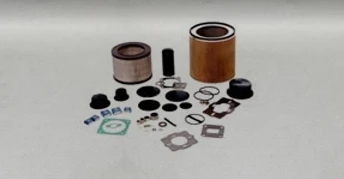

In the world of heavy-duty vehicles and industrial machinery, braking systems play a critical role in ensuring safety, control, and performance. One of the most important elements within these systems is the compressor mechanism that generates and regulates air pressure. Understanding the components involved and how to select them wisely can significantly improve efficiency, reduce downtime, and extend the lifespan of your equipment.
What Is a Brake Compressor System?
A brake compressor system is responsible for generating compressed air required to operate air-based braking mechanisms, commonly found in trucks, buses, and large industrial vehicles. This system ensures consistent pressure delivery, allowing brakes to function effectively even under demanding conditions.
Importance of High-Quality Components
Using reliable components in your compressor system is not just about performance—it’s also about safety and cost-efficiency. Poor-quality parts can lead to:
- Reduced braking efficiency
- Increased wear and tear
- Frequent maintenance issues
- Unexpected system failures
Investing in durable and well-engineered components ensures smooth operation and long-term reliability.
Key Components You Should Know
When selecting or maintaining your compressor system, it’s essential to understand its primary parts:
1. Compressor Unit
This is the heart of the system, responsible for compressing air and maintaining pressure levels. It must be robust and capable of handling continuous operation.
2. Cylinder Head
The cylinder head houses valves and channels that regulate airflow. A well-designed head improves efficiency and reduces energy consumption.
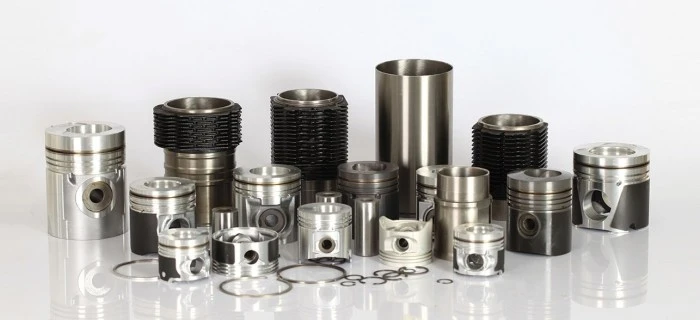
3. Pistons and Rings
These components help in compressing air within the cylinder. High-quality pistons and rings ensure minimal leakage and optimal pressure generation.
4. Valves
Valves control the intake and discharge of air. Faulty valves can disrupt airflow and compromise braking performance.
5. Gaskets and Seals
These prevent air leaks and maintain system pressure. Durable sealing materials are crucial for long-lasting performance.
6. Cooling System
Compressors generate heat during operation. A proper cooling mechanism prevents overheating and extends the life of the system.
Factors to Consider When Choosing Components
Selecting the right parts requires careful evaluation. Here are some key factors to keep in mind:
✔ Compatibility
Ensure that the components are compatible with your vehicle or machinery model. Mismatched parts can lead to inefficiency and damage.
✔ Material Quality
Look for parts made from high-grade materials such as cast iron or alloy steel, which offer durability and resistance to wear.
✔ Performance Standards
Choose components that meet industry standards and certifications for safety and performance.
✔ Brand Reputation
Opt for trusted manufacturers known for producing reliable and tested products.
✔ Maintenance Requirements
Select parts that are easy to maintain and replace, reducing downtime and service costs.
Common Issues and How to Avoid Them
Even the best systems can face problems if not maintained properly. Some common issues include:
- Air leakage: Caused by worn seals or loose connections
- Overheating: Due to poor cooling or excessive workload
- Low pressure output: Often linked to damaged valves or pistons
- Noise and vibration: Indicates internal wear or misalignment
Prevention Tips:
- Conduct regular inspections
- Replace worn-out components promptly
- Use recommended lubricants
- Follow manufacturer maintenance guidelines
Benefits of Regular Maintenance
Maintaining your compressor system offers several advantages:
- Improved braking efficiency
- Enhanced safety for drivers and operators
- Reduced repair costs
- Longer equipment lifespan
- Better fuel efficiency
A proactive maintenance schedule can prevent minor issues from becoming major problems.
Mid-Content Focus: Understanding Component Integration
When evaluating air brake compressor parts, it’s important to consider how each element works together as a complete system. A high-performing setup depends not only on individual component quality but also on seamless integration. Even a single weak part can affect the overall efficiency, making it essential to choose components that complement each other perfectly.
Tips for Buying the Right Components
To make an informed purchase decision, follow these practical tips:
- Compare multiple suppliers before buying
- Check warranty and after-sales support
- Read customer reviews and feedback
- Verify product specifications carefully
- Avoid extremely low-cost options that may compromise quality
Future Trends in Compressor Technology
The industry is evolving with advancements aimed at improving efficiency and sustainability. Some emerging trends include:
- Energy-efficient compressor designs
- Smart monitoring systems with sensors
- Lightweight yet durable materials
- Environmentally friendly manufacturing processes
Staying updated with these trends can help you make smarter investment decisions.
Conclusion
A well-functioning brake compressor system is vital for the safe operation of heavy vehicles and machinery. By understanding the key components, selecting high-quality materials, and maintaining the system regularly, you can ensure optimal performance and longevity. Making informed choices today not only enhances safety but also saves costs in the long run.
Whether you are a fleet owner, mechanic, or equipment manager, prioritizing quality and compatibility in your compressor system will always pay off.


























Sign in to leave a comment.