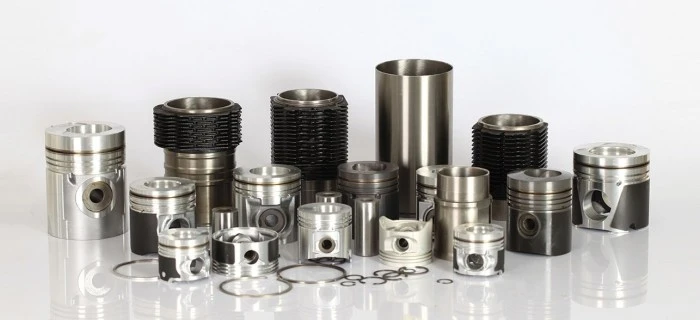

In the world of mechanical engineering and internal combustion engines, few components are as critical—or as underappreciated—as the piston. Whether you're dealing with automotive engines, air compressors, heavy machinery, or marine equipment, the piston performs the demanding task of converting pressure into motion with consistent accuracy.
As industries advance toward greater energy efficiency and precision control, the demand for high-performance pistons continues to grow. Behind every durable, high-quality piston is a rigorous manufacturing process and an engineering mindset that values precision, metallurgy, and reliability. This article explores what makes a piston truly world-class, the technologies involved in piston production, and why choosing the right manufacturer is vital for performance and longevity.
What Exactly Is a Piston?
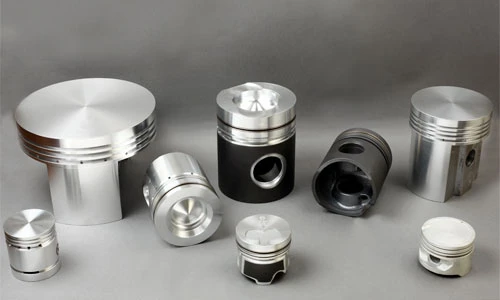
A piston is a cylindrical engine component that moves up and down within the cylinder bore. It creates the necessary compression and combustion force required to produce mechanical energy. By forming a tight seal with the cylinder walls—thanks to piston rings—it prevents the leakage of combustion gases and maintains optimal engine pressure.
Key Functions of a Piston:
- Transmitting force from combustion to the crankshaft
- Maintaining airtight compression in the cylinder
- Assisting in intake and exhaust gas control
- Withstanding high thermal and mechanical loads
Types of Pistons Used Across Industries
Pistons vary significantly depending on the application, operating conditions, and material requirements. Here are some of the most frequently used piston types:
🔧 Automotive Pistons
Found in gasoline and diesel engines, these are designed to withstand high RPMs, thermal stress, and wear.
🛠️ Industrial Engine Pistons
Used in generators, earth-moving equipment, and construction machinery, these pistons are built for durability and long service life under heavy-duty cycles.
🌊 Marine Pistons
Designed for continuous operation in large engines, these are typically larger and require corrosion-resistant materials.
💨 Air Compressor Pistons
These pistons focus on precision, low friction, and durability for efficient compressed air generation.
🚀 Aerospace & Defense Pistons
Used in specialized engines, these demand ultra-lightweight materials and exacting tolerances.
Materials That Make the Difference
The performance of a piston is determined not just by its shape, but also by its material composition. The right material ensures optimal heat conductivity, wear resistance, and weight efficiency.
Common Materials:
- Aluminum Alloys: Lightweight and excellent for heat dissipation—used in most automotive pistons.
- Cast Iron: Provides exceptional strength and long-lasting durability for demanding applications.
- Forged Steel: High-end pistons used in racing or aerospace due to exceptional strength.
- Ceramic Coatings: Applied to surfaces to improve heat resistance and reduce friction.
Choosing the right material depends on the operating environment, engine type, and performance expectations.
Critical Design Elements of Pistons
Modern pistons are far from simple components. Their geometry, surface finish, and structural details are carefully engineered for optimal function.
Important Design Features:
- Piston Skirt: Controls side thrust and friction
- Ring Grooves: Securely hold the piston rings for sealing and oil control
- Piston Pin (Gudgeon Pin): Connects the piston to the connecting rod
- Crown Shape: Influences combustion chamber efficiency and fuel economy
- Oil Cooling Galleries: Help dissipate excess heat
With advancements in CAD modeling and thermal simulations, today's pistons are designed with a degree of precision unimaginable a few decades ago.
The Manufacturing Process Behind High-Performance Pistons
Piston manufacturing involves more than just casting or forging metal—it’s a blend of materials science, process control, and advanced machining. Here’s a step-by-step overview:
- Material Selection – Based on operating load, temperature, and engine type
- Casting or Forging – Creating the raw shape through die casting or forging presses
- Heat Treatment – Enhancing strength and fatigue resistance
- CNC Machining – Achieving exact tolerances for pin holes, skirts, and ring grooves
- Surface Finishing – Applying coatings or polishing for reduced friction
- Inspection & Testing – Dimensional checks, ultrasonic testing, and endurance validation
This level of detail ensures that pistons can withstand extreme combustion pressures and prolonged operational stress.
How to Choose a Reliable Piston Supplier
When sourcing pistons, your choice of manufacturer significantly affects the quality and reliability of your machinery or engine. A reputable supplier doesn’t just deliver components—they deliver peace of mind.
What to Look For:
- ✅ In-House Design & R&D Capabilities
- ✅ Automated Production Lines & CNC Precision
- ✅ ISO or QS Certifications
- ✅ Experience Across Industries (Automotive, Marine, Aerospace)
- ✅ Use of Advanced Alloys and Coatings
- ✅ Strong After-Sales Support and Customization Options
If you're working with high-performance engines or mission-critical equipment, the importance of quality pistons cannot be overstated. Choosing trusted piston manufacturers in India can offer you both cost-efficiency and engineering excellence, thanks to a mature manufacturing ecosystem and skilled workforce.
Emerging Trends in Piston Technology
As engine technology evolves, piston designs are also undergoing significant innovation to keep up with stricter environmental regulations and performance demands.
Current Trends Include:
- Lightweight Pistons for Fuel Economy
- Thermal Barrier Coatings for heat resistance
- Low Friction Skirts to reduce energy loss
- 3D Printed Prototypes for rapid development
- Hybrid Engine Pistons designed for dual-fuel or electric-assisted systems
These innovations are shaping the next generation of engines that are more efficient, powerful, and environmentally friendly.
Conclusion
Pistons serve as the vital core of numerous engines, machines, and compressors. Their importance goes far beyond their size—these precision components influence everything from energy efficiency to engine durability. With demands on engines growing more complex every year, investing in high-quality pistons has never been more crucial.
Whether you're building performance vehicles, manufacturing industrial equipment, or maintaining critical infrastructure, the right piston can make or break your success. With India emerging as a global hub of engineering excellence, sourcing from experienced and innovative piston manufacturers in India ensures you get the technology, quality, and reliability your operations need to thrive.



























Sign in to leave a comment.