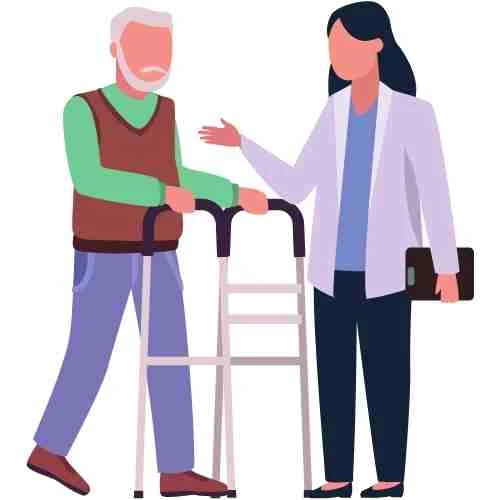

As our loved one’s age, ensuring they receive the right support and attention becomes a priority. While nursing homes and assisted living facilities are traditional options, many families today are choosing home elderly care services to keep their elderly parents and relatives comfortable and secure in the familiarity of their own homes. This approach not only promotes emotional well-being but also allows for personalized care that addresses the unique needs of each senior.
Whether your elderly family member is dealing with mobility issues, chronic illness, or simply needs companionship, home-based care services offer the flexibility and compassion required to meet their evolving needs. At the heart of these services is the vital role played by a geriatric caregiver, whose support can significantly improve the quality of life for aging individuals.
Why Home Elderly Care Services Matter

Aging brings about a variety of physical, emotional, and cognitive changes. Seniors often face challenges such as declining health, loneliness, memory issues, and reduced mobility. For many, these challenges can be managed better within the comforting surroundings of home, where familiar routines and independence are preserved.
Home elderly care services offer tailored care that focuses on the individual’s daily living needs, health management, and emotional support. Instead of uprooting seniors from their environment, these services bring skilled professionals to the home, ensuring that elders are cared for without compromising their sense of dignity or autonomy.
Key Components of Home Elderly Care Services
Home care for the elderly is more than just assistance with chores—it is about comprehensive, compassionate support. Here are the essential elements these services typically include:
Personal Care Assistance
One of the most important roles of a geriatric caregiver is to help seniors with basic personal hygiene and grooming activities, such as bathing, dressing, toileting, and oral care. For many elderly individuals, even simple tasks become challenging, and having respectful, sensitive assistance can make a significant difference in their day-to-day lives.
Medication Management
Seniors often take multiple medications to manage chronic conditions. Home caregivers ensure that prescriptions are taken on time and as prescribed, reducing the risk of missed doses or harmful interactions. They may also coordinate with healthcare professionals to monitor side effects or adjust medication plans when necessary.
Mobility and Fall Prevention
Limited mobility is a common concern for aging individuals. A geriatric caregiver is trained to help seniors move safely around their homes, use mobility aids correctly, and prevent falls. This includes assisting with walking, repositioning in bed, and performing light exercises to maintain physical strength.
Companionship and Emotional Support
Loneliness and isolation can lead to depression and cognitive decline in seniors. A key part of home elderly care services is offering companionship—someone to talk to, play games with, or share daily activities. The emotional bond formed with a caregiver can enhance mental health and boost overall well-being.
Meal Preparation and Nutrition
Nutrition is essential at any age, but particularly so for seniors who may have dietary restrictions or specific health requirements. Caregivers prepare balanced meals, assist with feeding when needed, and ensure proper hydration—helping seniors maintain their strength and immunity.
Household Management
Geriatric caregivers often help with light housekeeping duties such as laundry, dishwashing, and keeping the living space tidy and safe. This support reduces the physical strain on elderly individuals and keeps their homes comfortable and organized.
Medical Appointments and Health Monitoring
Some home care providers assist with scheduling doctor appointments, organizing transportation, and keeping track of health records. They may also check vital signs, help with physiotherapy routines, and update family members on the senior’s condition.
The Role of a Geriatric Caregiver
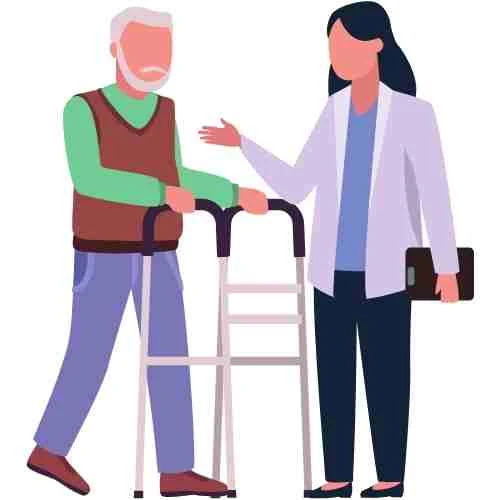
The role of a geriatric caregiver extends beyond physical support—they are trusted companions, attentive listeners, and often the bridge between the senior and the outside world. They are trained to recognize the emotional and cognitive changes that accompany aging, and they respond with empathy and care.
A professional caregiver not only provides medical or physical assistance but also focuses on enhancing the senior’s independence, self-esteem, and emotional health. Their presence can reduce stress for both the elderly individual and their family members, offering peace of mind that their loved one is in capable hands.
When to Consider Home Elderly Care Services
If you're wondering whether your loved one could benefit from in-home care, here are some signs to watch for:
- Frequent forgetfulness or confusion
- Difficulty with mobility or increased risk of falling
- Missed medications or irregular eating habits
- Signs of depression, loneliness, or social withdrawal
- Inability to maintain personal hygiene or manage the household
Choosing home elderly care services doesn't mean giving up responsibility—it means ensuring your loved one gets the best support in the most comforting environment possible.
Choosing the Right Service Provider

When selecting a home care provider, look for qualities such as experience, professional certification, flexible service options, and strong client testimonials. The ideal caregiver should be skilled, empathetic, and aligned with the values and preferences of your family.
Always conduct thorough background checks, clarify the scope of services, and ensure open communication lines for emergencies or updates. Most importantly, involve your elderly loved one in the decision-making process to make them feel respected and in control.
Conclusion
As families grow busier and seniors wish to age in place, home elderly care services are becoming not just a convenient option—but a necessity. With the right support, aging loved ones can continue to live fulfilling, dignified lives surrounded by comfort, familiarity, and love.
A professional geriatric caregiver brings not only medical expertise but also emotional companionship, helping seniors remain healthy and connected to the world around them. By choosing in-home care, families can strike a balance between personal and professional responsibilities while ensuring their elders are safe and well cared for.
For reliable, compassionate, and expert elderly care at home, DocGenie offers a trusted platform to connect you with certified caregivers and health professionals. Whether you need long-term assistance or short-term recovery support, DocGenie ensures your loved ones receive personalized care that respects their dignity and supports their independence—right at home.































Sign in to leave a comment.