
In an era defined by rapid change, uncertainty, and the rise of AI, leadership has never been more complex — or more critical. We spoke with leadership development expert Arpan Roy about what tomorrow’s leaders really need, how leadership skills training programs can support professionals at every stage, and why human skill development will remain the defining factor in shaping successful leaders.
The Skills Leaders Need Now
Looking ahead, Arpan believes leadership success comes down to one category: human skills development. Leaders who can connect with people, build rapport across teams and stakeholders, and demonstrate empathy will be better equipped to guide their organisations through uncertainty.
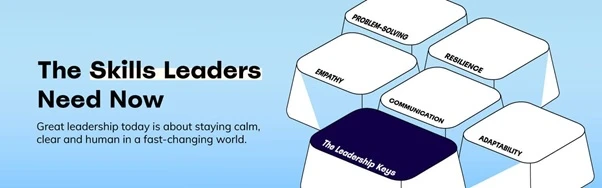
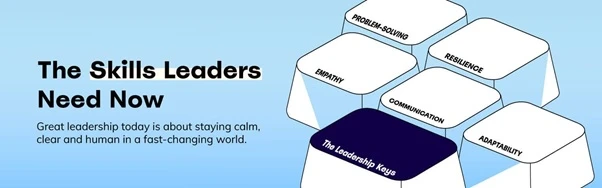
“Whether it’s a client or a colleague, leaders need to meet people where they are, understand their constraints, and make them feel valued,” he explains. Communication also stands out — especially in virtual settings where cues are harder to read. Add to that adaptability, problem-solving, and resilience, and you have the skills that will define effective leadership in 2026.
Training for Every Stage of Leadership
Arpan stresses that a strong leadership development program must recognise the different needs of entry-level employees and seasoned executives.
“At the start of a career, training is about building self-awareness and understanding your strengths — like learning to drive a car,” he says. “For senior leaders, it’s more like piloting a helicopter: setting strategy, managing risks, and creating alignment across larger groups.”
This is where structured leadership training programs make the difference. They guide participants from understanding themselves to developing the vision and impact required of senior roles.
What Makes Leadership Training Effective
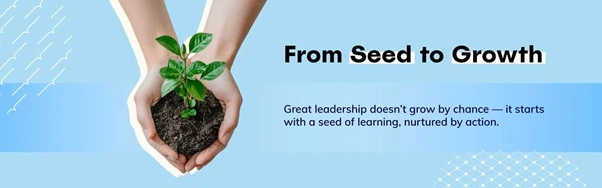
For Arpan, the effectiveness of any leadership training program rests on two pillars: retention and application. “Knowledge is the seed, but practice is how you water it,” he explains. Truly impactful professional development programs give participants the tools to visualise what learning means for them personally and apply it in real time.
Measuring success is equally important. Arpan recommends checking in at 30, 60, and 90 days after training to see how new skills are being applied — at the individual level (behavioural changes), the team level (improved collaboration), and the organisational level (greater alignment and commitment). This measurement allows you to quantify the impact of the training on both individuals and your bottom line.
Redefining Great Leadership in 2025
Compared to a decade ago, today’s leaders face greater uncertainty and disruption. In the past, strategy and certainty were the hallmarks of leadership. Now, it’s about creating safety and clarity for teams in times of change.
“Servant leadership is more important than ever,” Arpan says. “It’s about supporting and preparing people for change, while still challenging them to grow.”
This is where human skills like emotional intelligence, active listening, and adaptability become non-negotiable. Leaders who are approachable, empathetic, and able to build trust will succeed where technology alone cannot. Read more…



























Sign in to leave a comment.