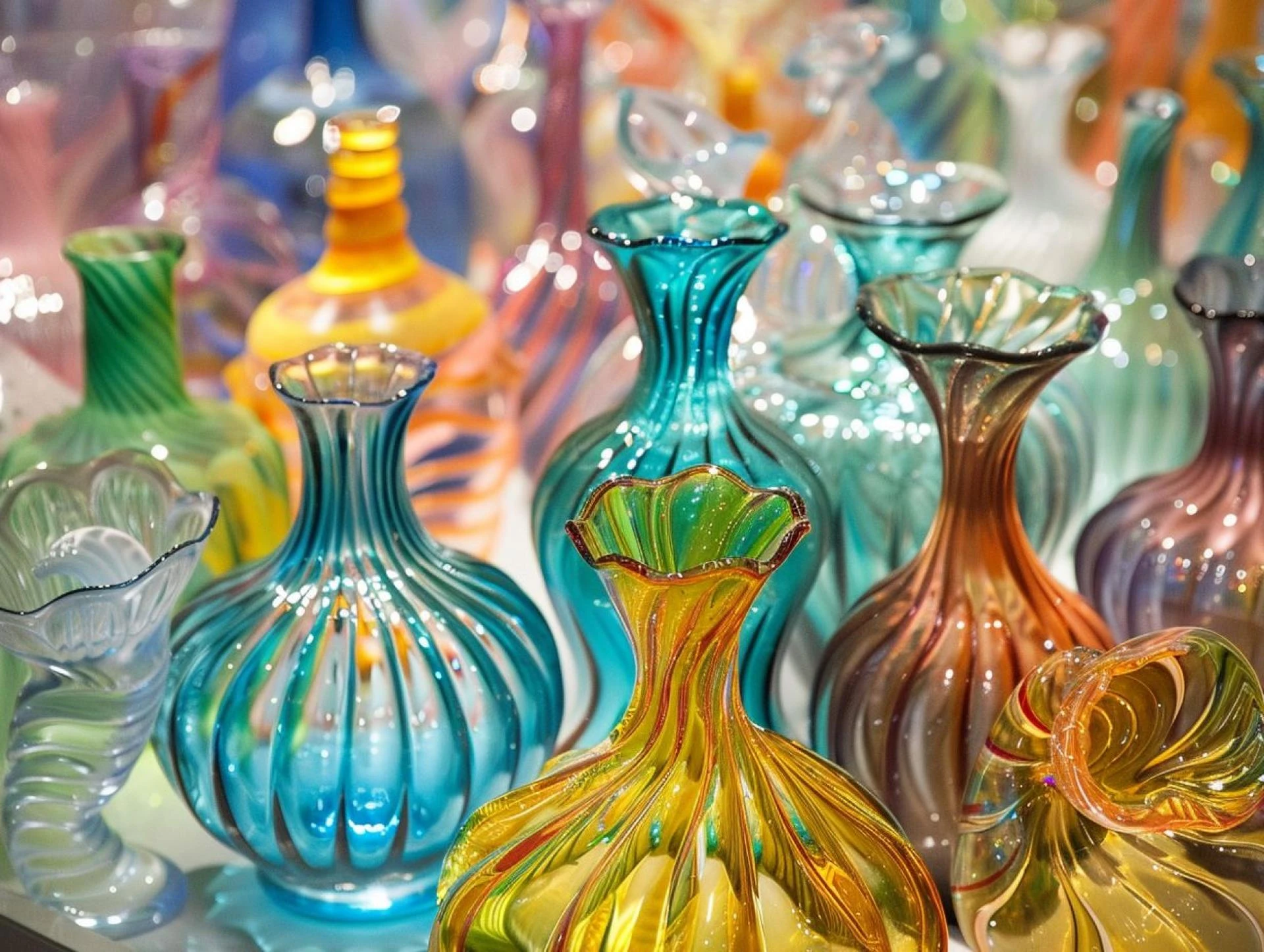

Glass fusing is an exciting and creative process that involves heating pieces of glass in a kiln until they melt and bond together. This art form allows artisans to craft stunning decorative pieces, jewelry, and functional objects. To succeed in glass fusing, having the right tools and understanding key techniques are essential. Here is a guide to the must-have tools and techniques for glass fusing enthusiasts.
Essential Tools for Glass Fusing
- Kiln: The cornerstone of glass fusing, a kiln provides the controlled heat needed to melt and fuse glass pieces. Choose a kiln with programmable controls for precise temperature management.
- Glass Cutter and Running Pliers: A glass cutter is used to score the glass, while running pliers help break it along the scored line, ensuring clean and precise cuts.
- Grinder: A glass grinder smooths edges and allows you to shape pieces for perfect fits.
- Fusing Molds: Molds create dimension and structure in your projects. They’re particularly useful for slumping or draping glass into specific shapes.
- Fiber Paper and Kiln Wash: These protect the kiln shelf from melted glass sticking during firing. Fiber paper also helps create texture and intricate designs.
- Safety Gear: Essential items include safety glasses to protect your eyes and gloves for handling sharp glass and hot materials.
- Fusible Glass: Always use glass labeled as "fusible" to ensure compatibility in terms of expansion rates, avoiding cracks or breaks during firing.
Key Techniques for Glass Fusing
- Cutting and Layering: Start by cutting glass into desired shapes and layering them to create depth and color combinations. Experimenting with transparent, opaque, and dichroic glass can yield unique effects.
- Full Fuse, Tack Fuse, and Slumping:
- Full Fuse: Melts glass pieces entirely together, resulting in a smooth, flat surface.
- Tack Fuse: Partially fuses glass, keeping individual pieces slightly raised for texture.
- Slumping: Involves heating glass to drape or conform to a mold’s shape.
- Temperature Control: Proper firing schedules are critical. Ramp up and cool down temperatures gradually to prevent thermal shock or uneven fusing.
- Cold Working: After firing, refine pieces by grinding, polishing, or drilling to add final details or assemble components.
Mastering glass fusing requires practice and experimentation, but with the right tools and techniques, you can create beautiful and enduring works of art. Whether you’re a beginner or an experienced artisan, investing in quality tools and honing your skills will enhance your creative journey. You can count on Feelartistic Studio, one stop-platform for glass fusing and a ceramic studio for polishing your creative skills.






















Sign in to leave a comment.