

Ceramic art is one of the most therapeutic and creative hobbies you can explore. Whether you’re a complete beginner or someone rediscovering creativity, joining a ceramics class can open the door to hands-on artistic expression. From shaping clay to glazing your final piece, pottery classes offer both relaxation and skill-building in a supportive environment.
1. Understanding the Basics of Pottery
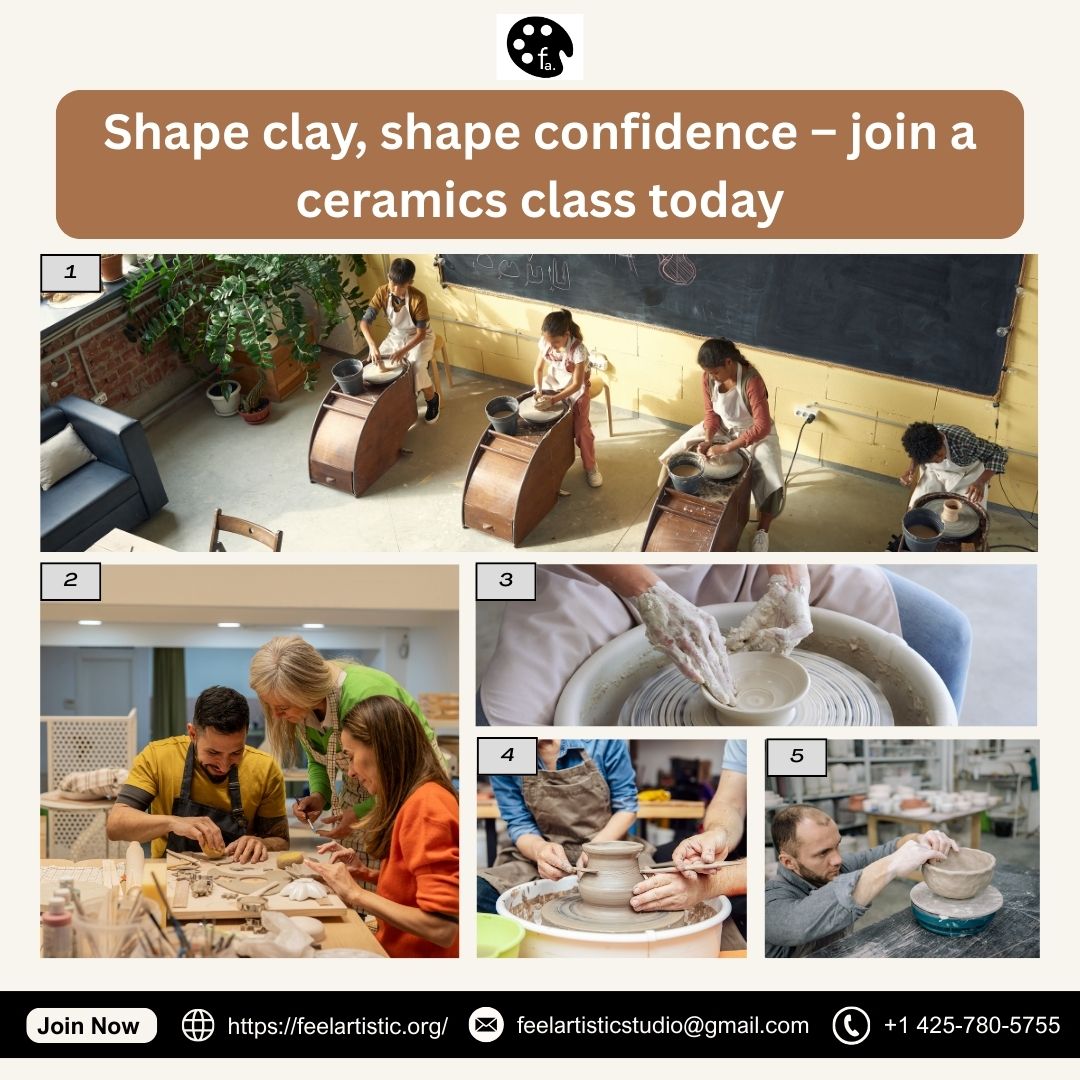
A beginner ceramics class usually starts with foundational techniques such as hand-building, pinch pots, coil construction, and slab work. Students are introduced to essential tools and types of clay while learning how to shape and mold their ideas into tangible creations. No prior experience is required—just curiosity and willingness to learn.
2. Learning the Pottery Wheel
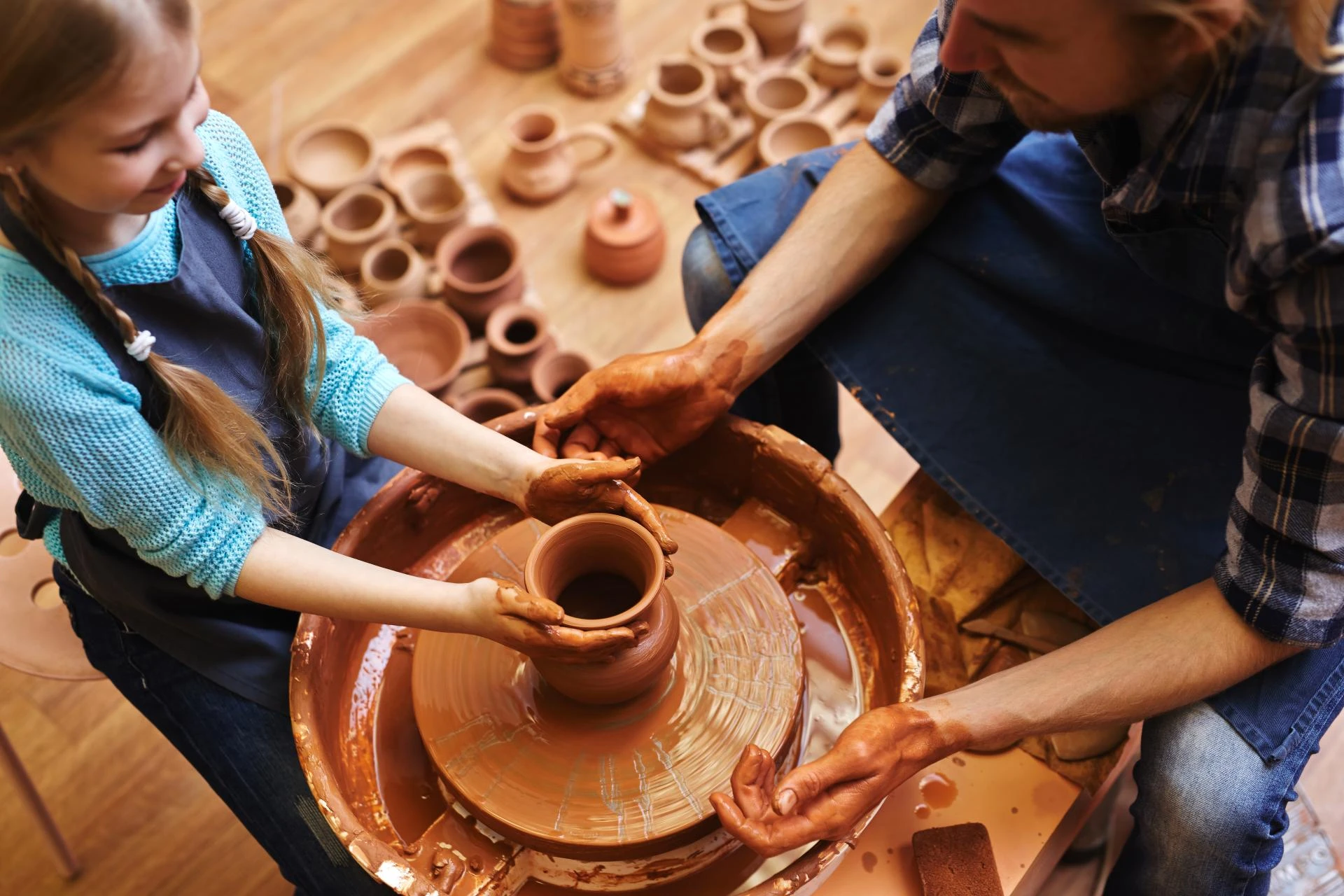
Once you’re comfortable with basic hand-building, many courses introduce the pottery wheel. Wheel-throwing may seem challenging at first, but with guided practice, you’ll learn how to center clay, pull walls, and shape bowls or cups. The process is both technical and calming, helping improve focus and patience.
3. Exploring Glazing and Finishing Techniques
Glazing transforms a raw clay piece into a polished ceramic artwork. Students experiment with colors, textures, and finishing methods to enhance their creations. You’ll also learn about firing processes and how kilns strengthen and finalize each piece. This stage is often the most exciting, as you see your design come to life.
4. Benefits Beyond Creativity
A ceramics class offers more than artistic skills. Working with clay reduces stress, boosts concentration, and encourages mindfulness. It’s also a fantastic way to meet like-minded individuals and build social connections. Many participants describe pottery as a form of therapy that helps them disconnect from daily stress and reconnect with themselves.
5. Choosing the Right Course
When selecting a pottery course, consider class size, instructor experience, and available facilities. Some studios offer short workshops, while others provide structured multi-week programs. Beginners should look for courses that focus on fundamentals and provide hands-on guidance throughout the learning process.
Start Your Creative Journey
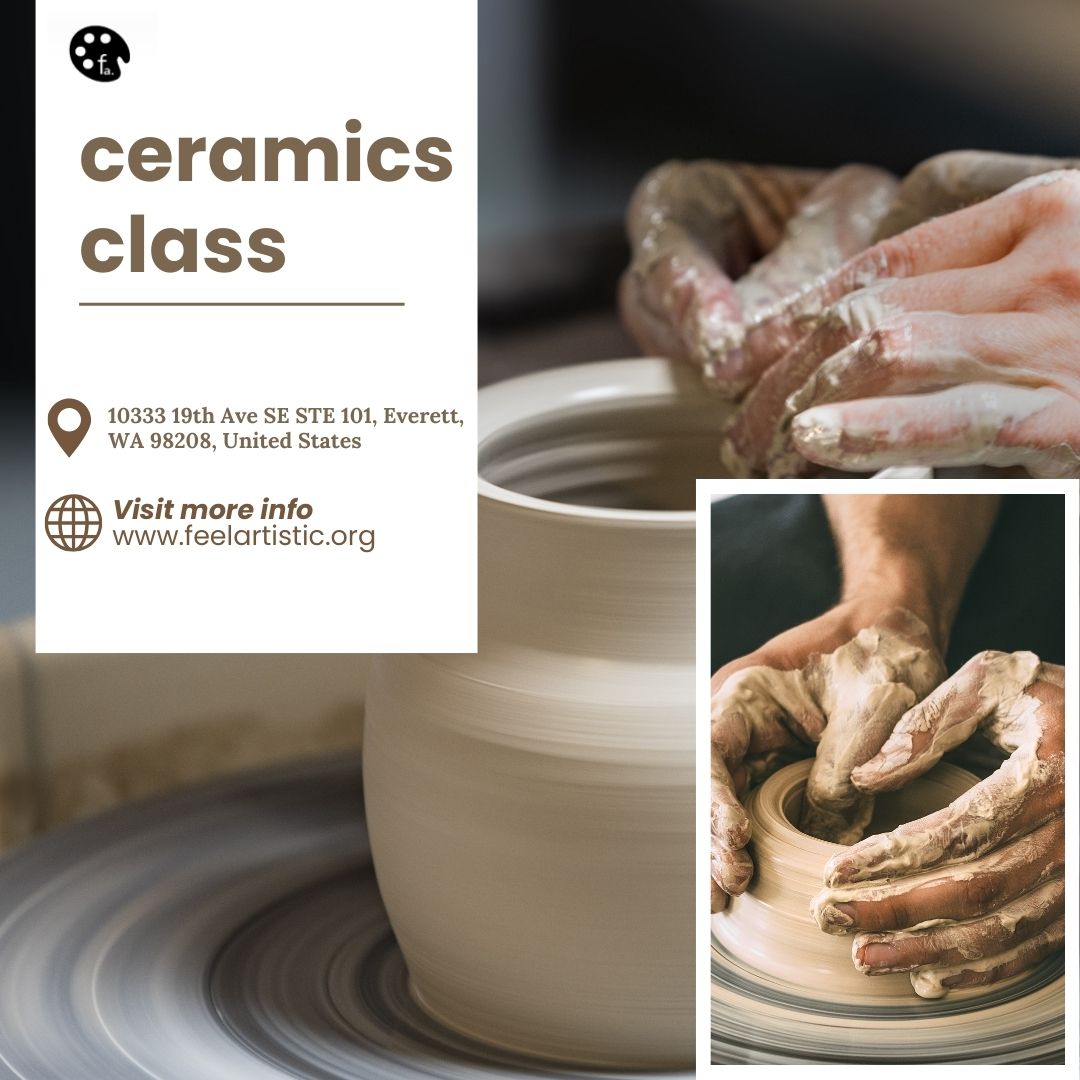
If you’re ready to explore pottery in a welcoming and inspiring environment, consider joining a ceramics class at Feelartistic Studio. With expert instructors and a supportive community, Feelartistic Studio helps beginners confidently shape their creativity into beautiful ceramic art.
FAQs
1. Do I need prior experience to join a ceramics class?
No, most beginner classes are designed for students with no prior experience. Instructors guide you step-by-step through every technique.
2. What should I bring to my first pottery class?
Studios usually provide tools and materials. You may just need comfortable clothes and a willingness to get a little messy.
3. How long does it take to create a finished ceramic piece?
It typically takes a few weeks, as pieces must dry and go through firing and glazing processes before completion.



























Sign in to leave a comment.