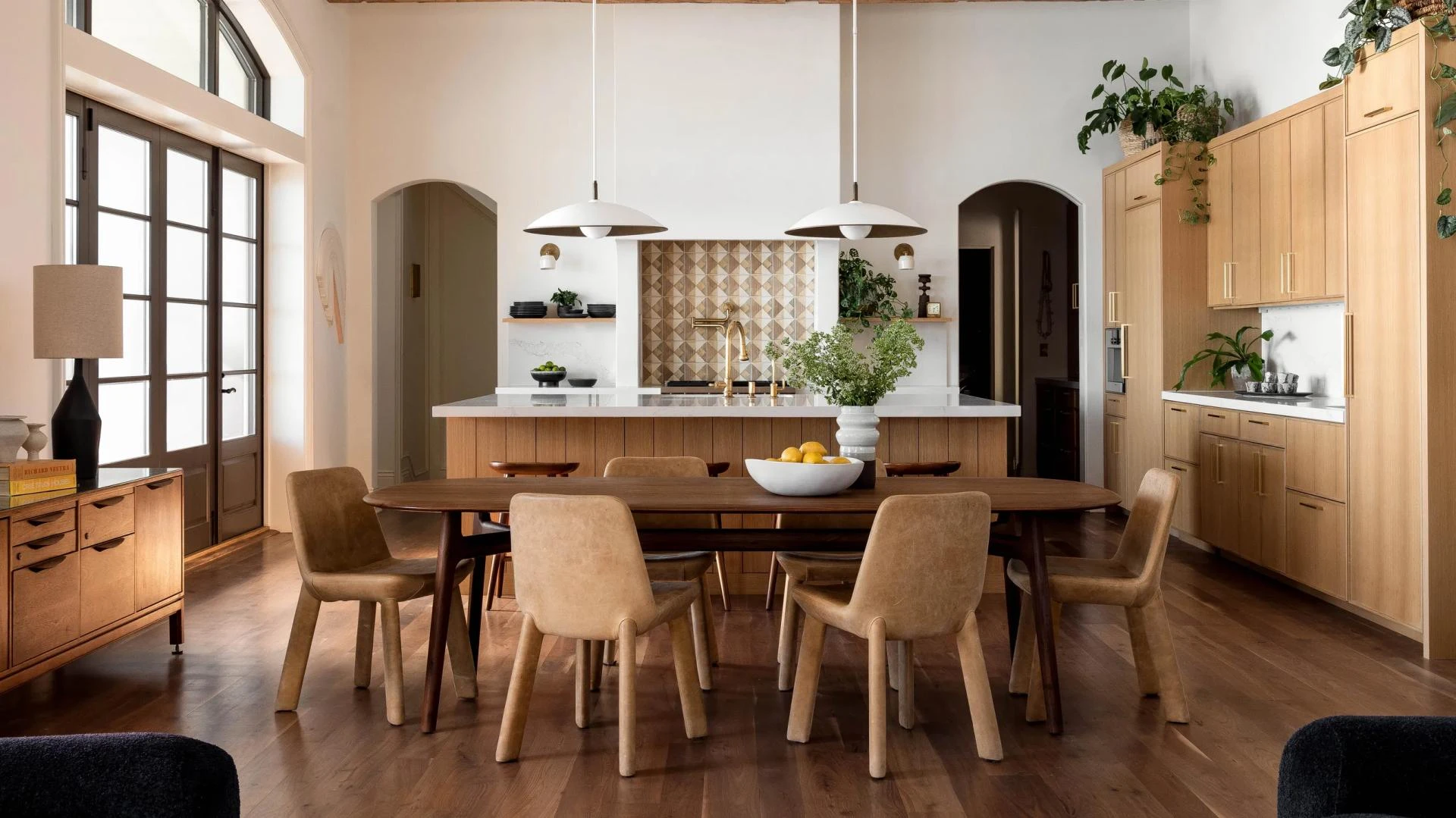

The dining room is more than just a place to eat—it’s where families bond, guests are entertained, and memories are made. Yet, many homeowners unknowingly make layout mistakes that compromise both functionality and aesthetics.
A poorly planned dining area can feel cramped, awkward, or disconnected from the rest of the home, no matter how beautiful the furniture and décor might be. One of the best ways to avoid these common mistakes is to hire a professional interior designer, who can ensure your dining space is both practical and visually appealing.
In this blog, we’ll uncover the biggest layout errors that ruin your dining space and share practical solutions to help you design a dining area that is stylish, comfortable, and functional.
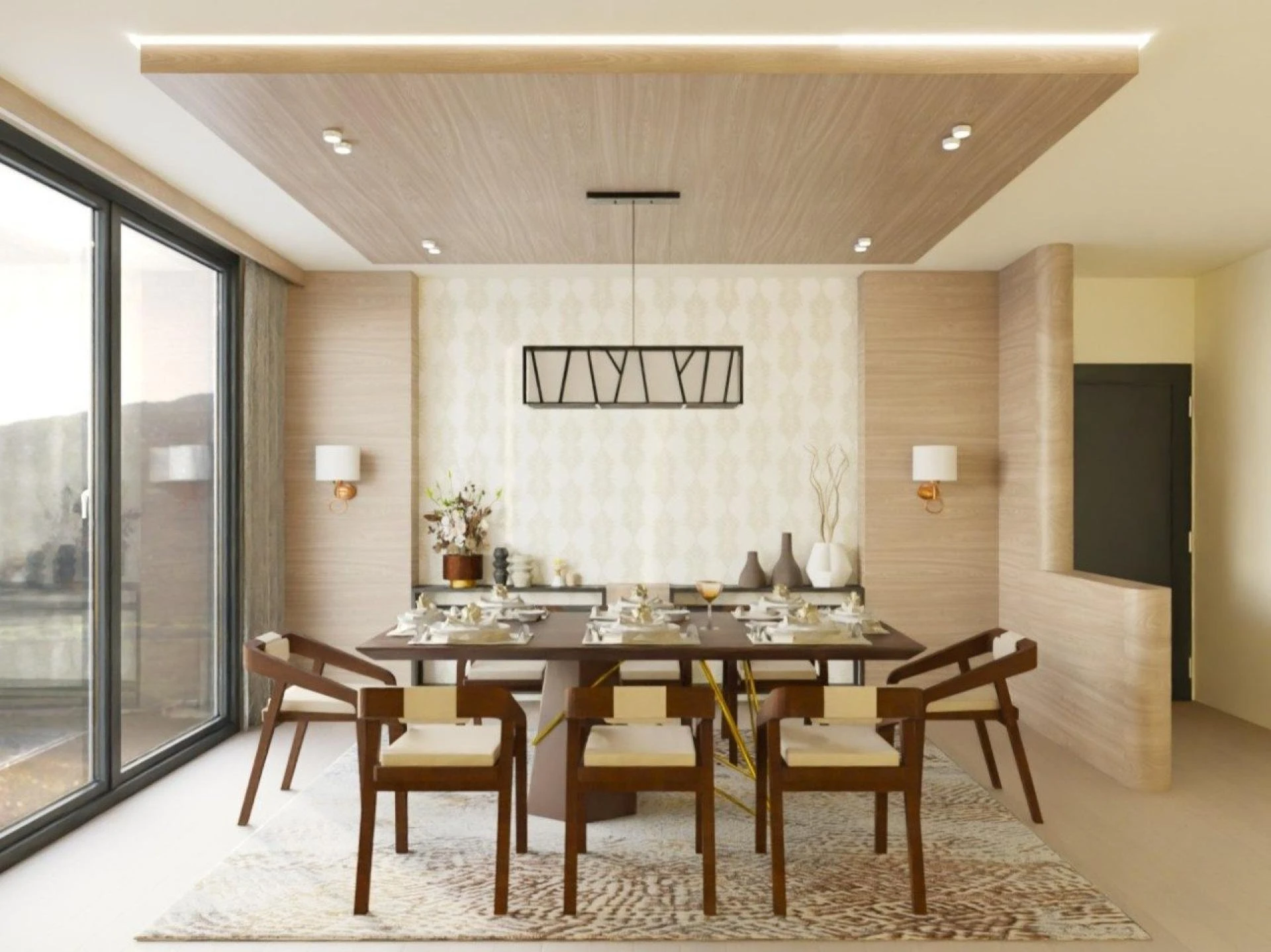
1. Choosing the Wrong Table Size
One of the most common layout mistakes is selecting a dining table that doesn’t fit the room’s proportions. A table that’s too big overwhelms the space, while one that’s too small feels lost and impractical.
Why it’s a problem:
- Large tables restrict movement and make the room feel cluttered.
- Small tables reduce seating capacity and waste valuable space.
Solution:
Measure your dining area before purchasing a table. Leave at least 36 inches (90 cm) of clearance around the table for chairs and movement. If you have a small dining room, consider a round or oval table that saves space while still providing enough seating.
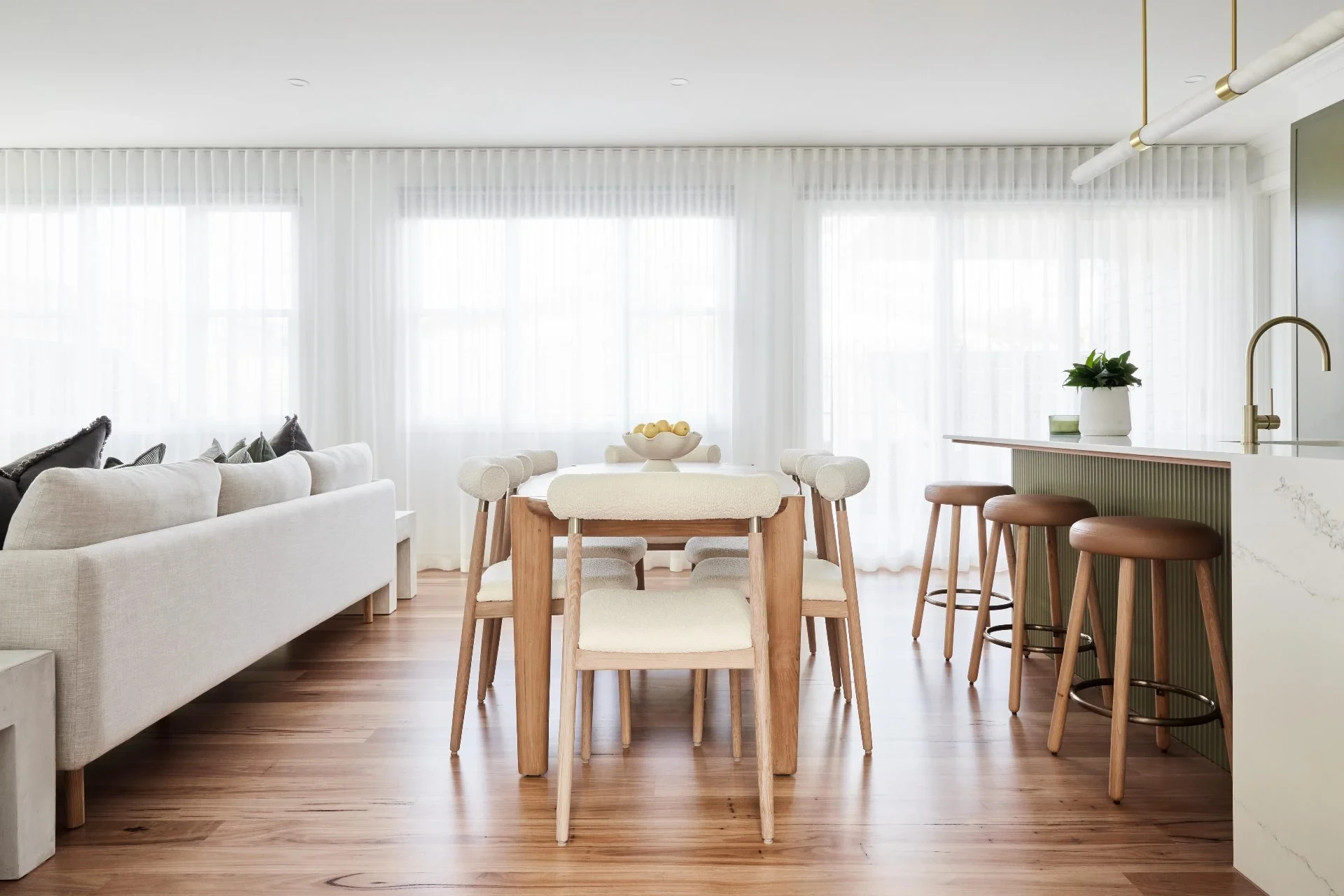
2. Poor Traffic Flow
The dining room should allow easy movement in and out, especially if it connects to the kitchen or living room. Poorly placed furniture often blocks natural pathways, creating a congested and uncomfortable flow.
Why it’s a problem:
- Guests may struggle to get in and out of chairs.
- The host finds it difficult to serve food smoothly.
- The space feels claustrophobic.
Solution:
Always plan the layout with traffic patterns in mind. Position the table so there’s a clear route from the kitchen to the dining area. Avoid pushing the table too close to walls or doors. If space is tight, use bench seating on one side to save room.
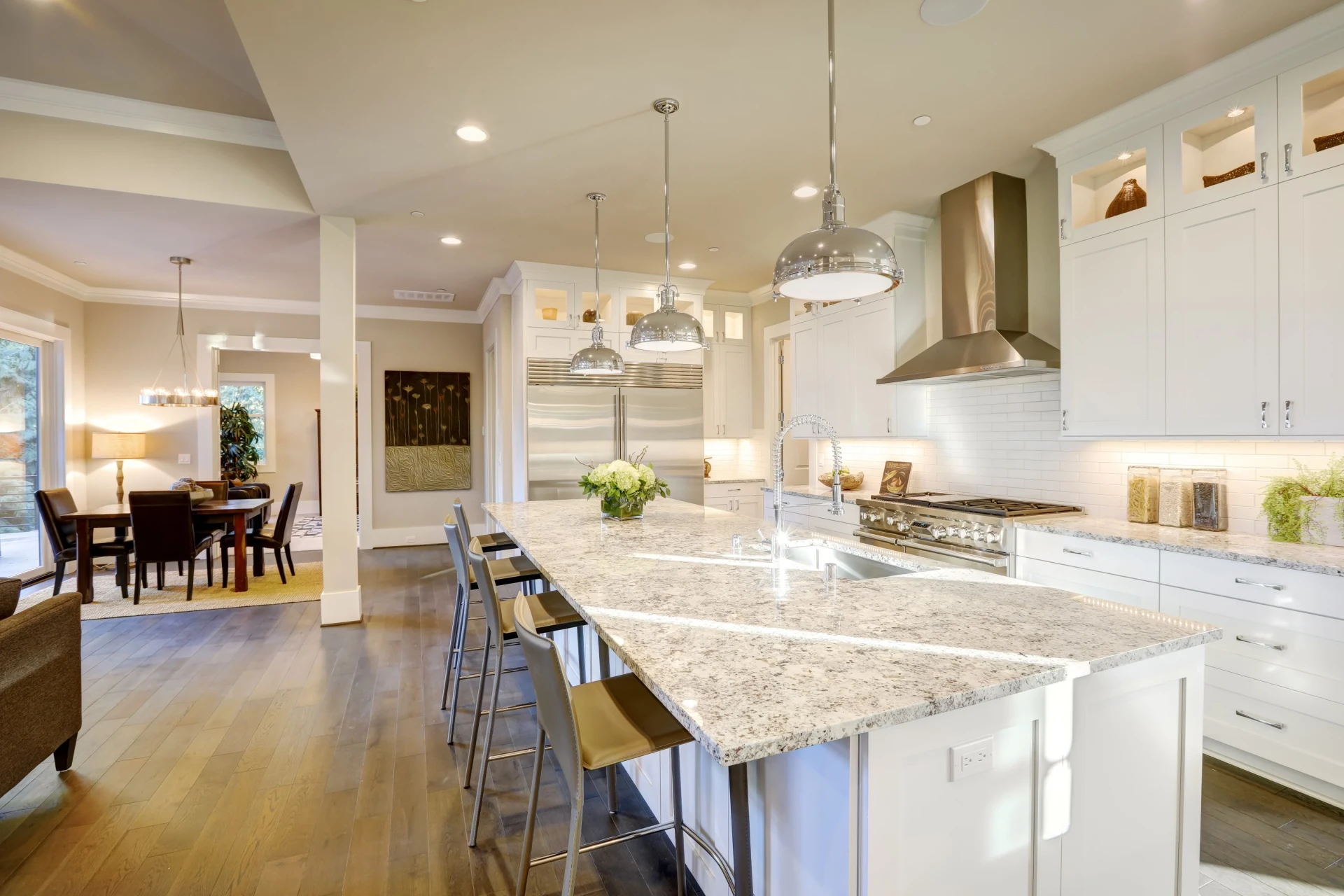
3. Ignoring Lighting Placement
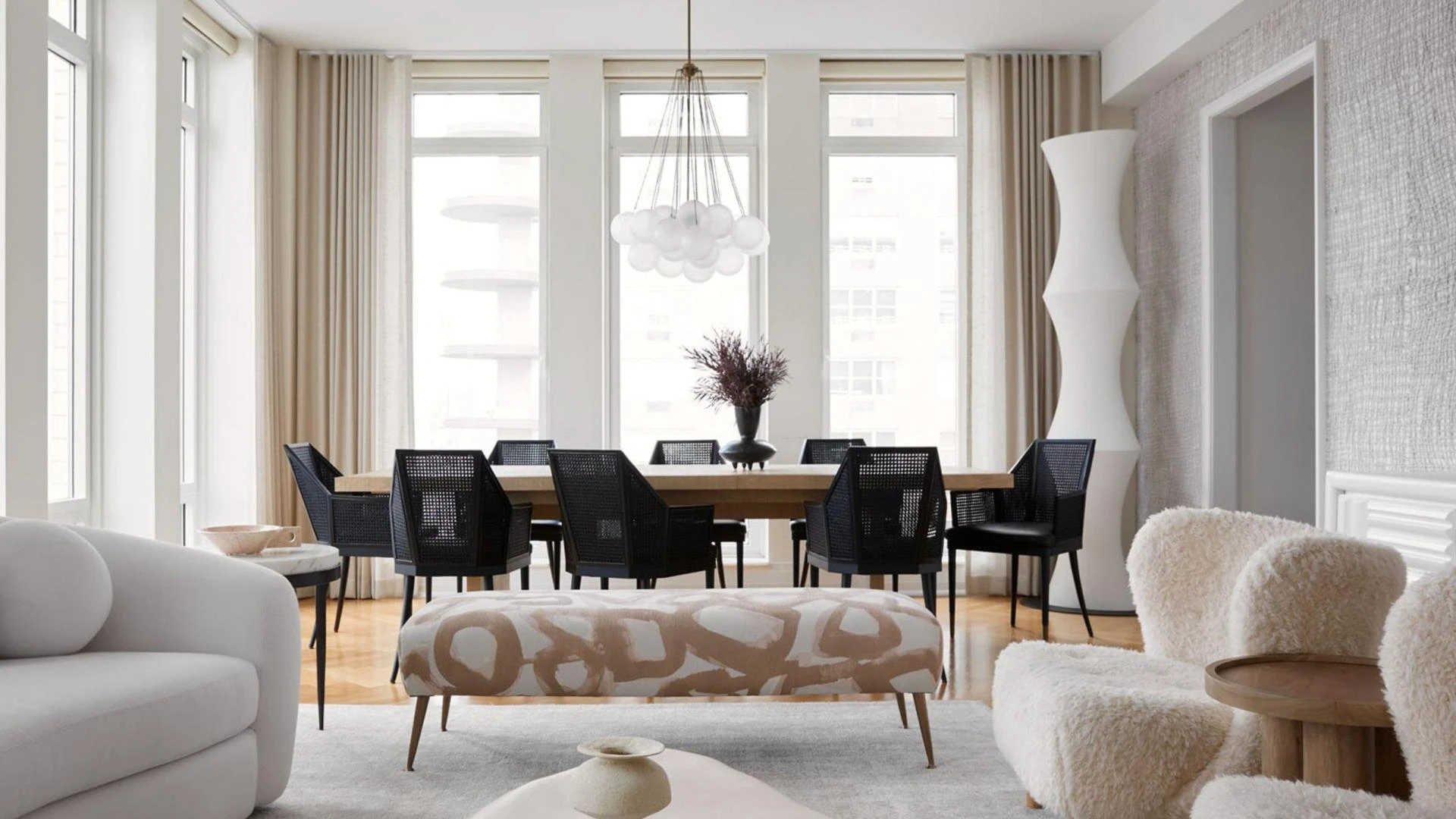
Lighting can make or break your dining experience. Many homeowners either install the light fixture off-center or use the wrong type of lighting in dining room. A poorly lit dining area feels dull, while overly bright lighting can kill the cozy atmosphere.
Why it’s a problem:
- Off-center chandeliers make the room look unbalanced.
- Harsh or dim lighting creates discomfort.
- Shadows can make food look unappealing.
Solution:
Place a chandelier or pendant directly over the center of the dining table, not the room. Opt for dimmable warm lights to create the perfect ambiance. Layer the lighting with wall sconces or recessed lights for flexibility.
4. Oversized or Underwhelming Rugs
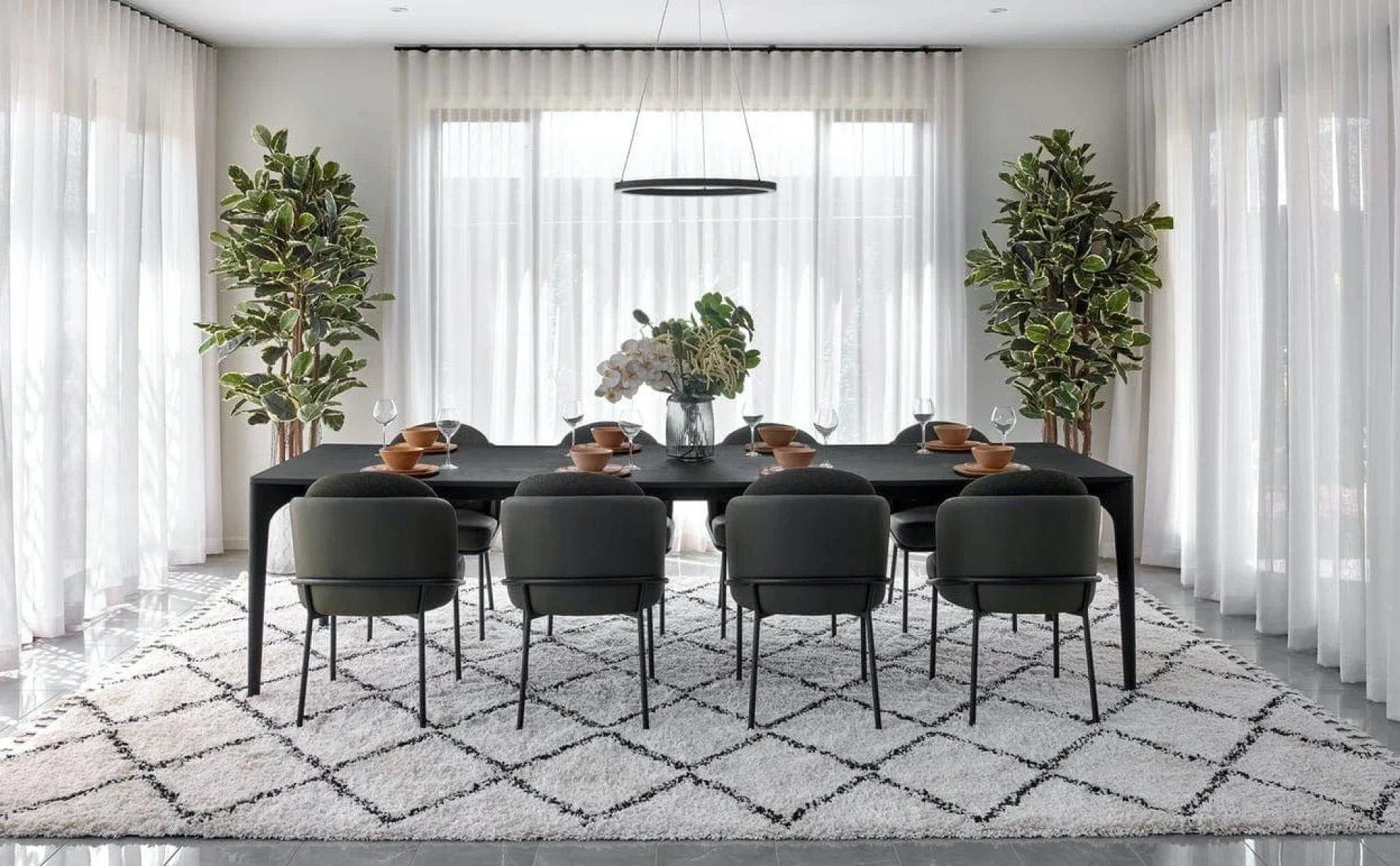
A rug under the dining table can define the space beautifully—but only if it’s the right size. Too small, and the room looks awkward. Too large, and it swallows the design.
Why it’s a problem:
- Small rugs make the table look disconnected.
- Chairs may catch on the rug edges, causing frustration.
Solution:
Choose a rug that extends at least 24 inches beyond all sides of the dining table. This ensures chairs stay on the rug even when pulled out. Stick to low-pile rugs for easy cleaning and durability.
5. Not Considering Storage
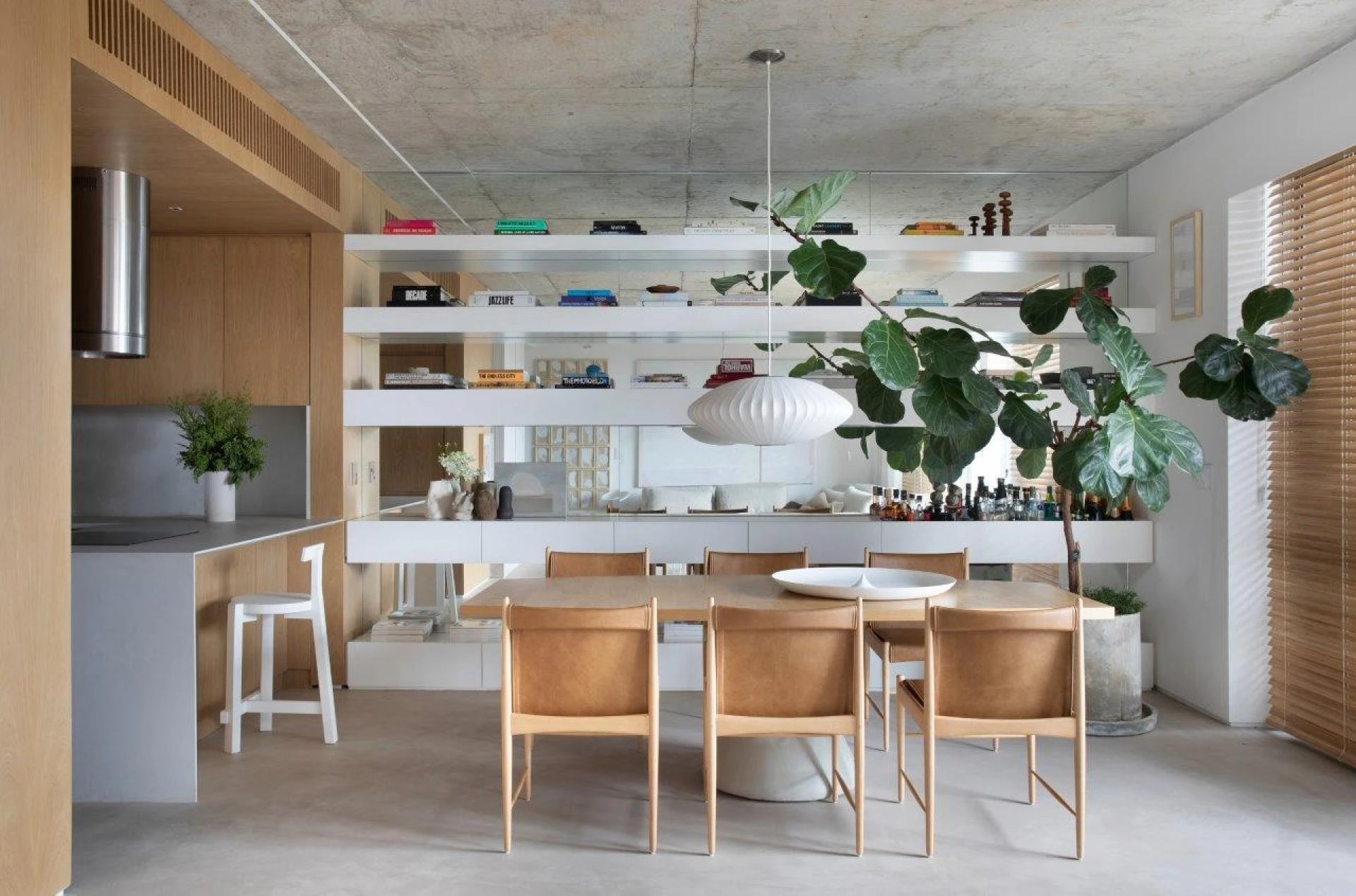
Many homeowners design their dining room with just a table and chairs, ignoring the need for storage. Without sideboards, consoles, or shelving, you’ll constantly run back and forth to the kitchen for dishes, cutlery, or serveware.
Why it’s a problem:
- Lack of storage makes dining inconvenient.
- Tabletops become cluttered with items that have no home.
Solution:
Incorporate a buffet, credenza, or built-in cabinetry to store dining essentials. For small spaces, floating shelves or a slim console table can provide stylish storage without taking up much room.
6. Misaligned Dining and Adjoining Spaces
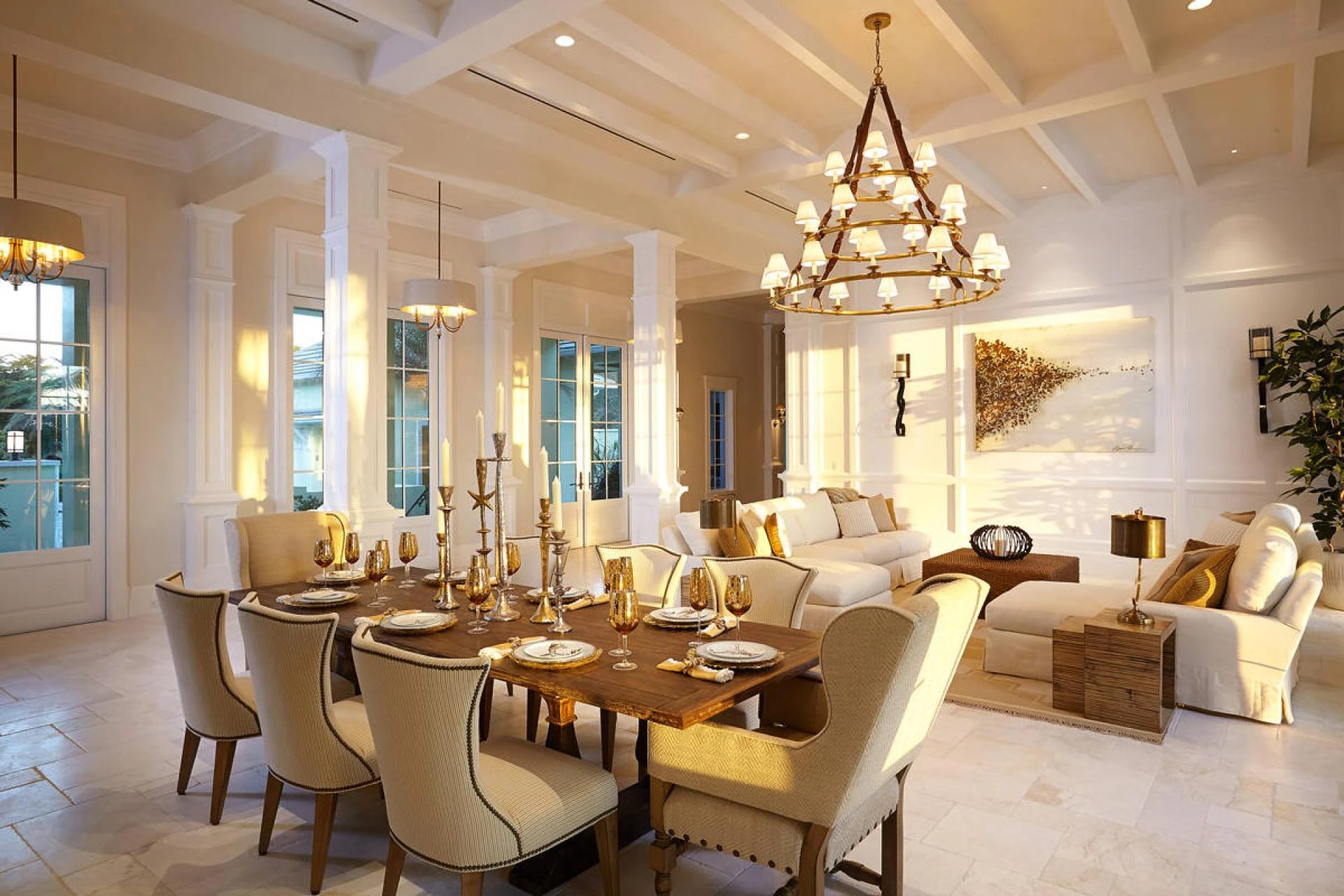
If your dining room connects to the living room or kitchen, poor alignment can ruin the flow. For instance, placing the dining table at an odd angle or not coordinating styles with adjacent rooms makes the layout feel disjointed.
Why it’s a problem:
- The space feels awkward and disconnected.
- Movement between rooms becomes inefficient.
Solution:
Create a sense of harmony by aligning the dining table parallel to architectural features like walls, windows, or kitchen islands. Use similar materials, colors, or lighting styles to connect the dining room with adjoining spaces.
7. Skipping a Focal Point
Every great dining room needs a focal point—something that immediately draws the eye and defines the room’s character. Without one, the dining space feels bland and uninspired.
Why it’s a problem:
- The room lacks personality.
- Décor looks scattered and unfocused.
Solution:
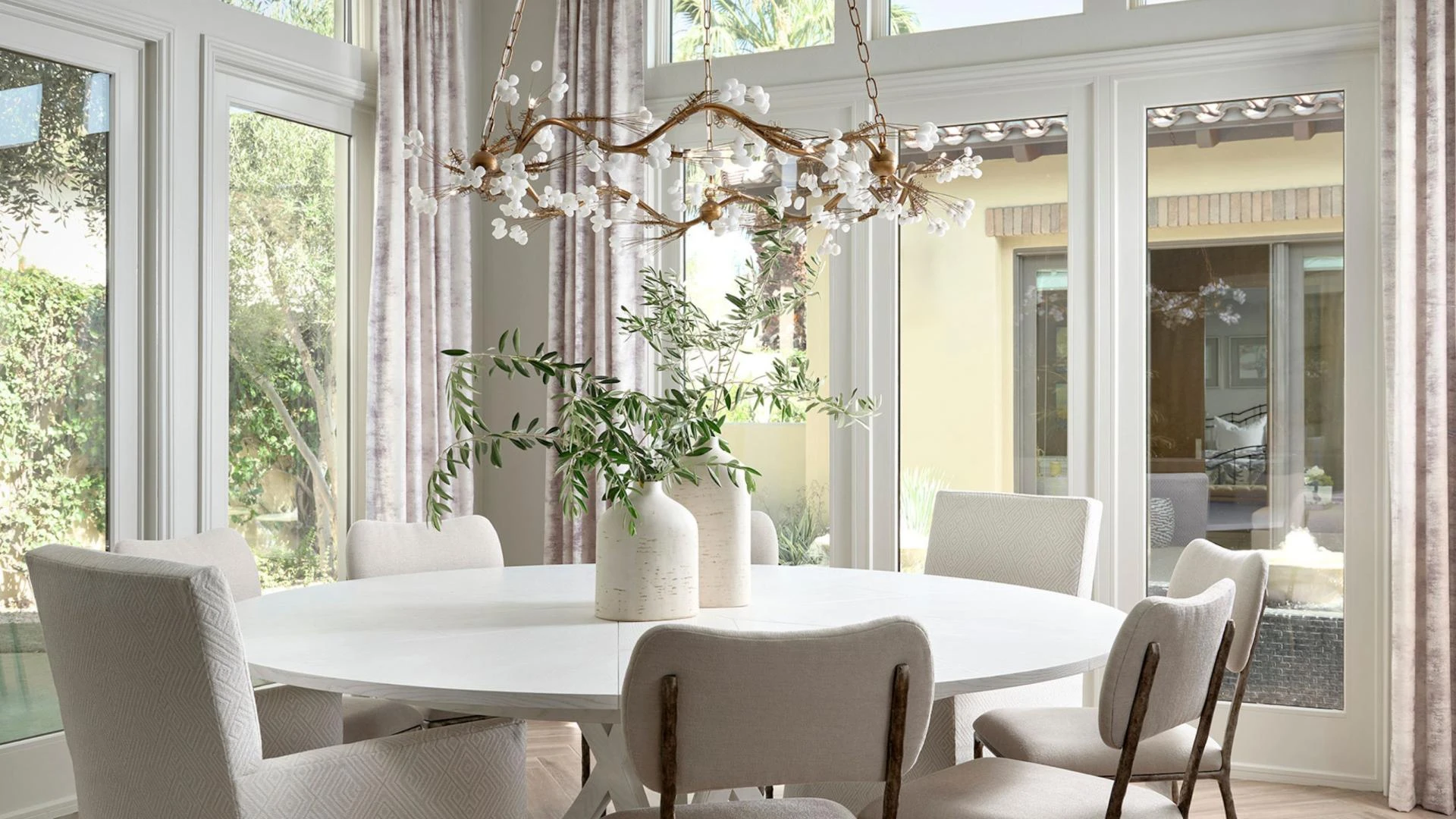
Choose a statement chandelier, artwork, mirror, or accent wall as your focal point. Build the rest of your dining décor around this centerpiece to create balance and cohesion.
8. Wrong Chair-to-Table Ratio
Sometimes the issue isn’t the table—it’s the chairs. Oversized chairs crowd the table, while small chairs make the setup look mismatched.
Why it’s a problem:
- Guests feel cramped or uncomfortable.
- The scale of the furniture looks off.
Solution:
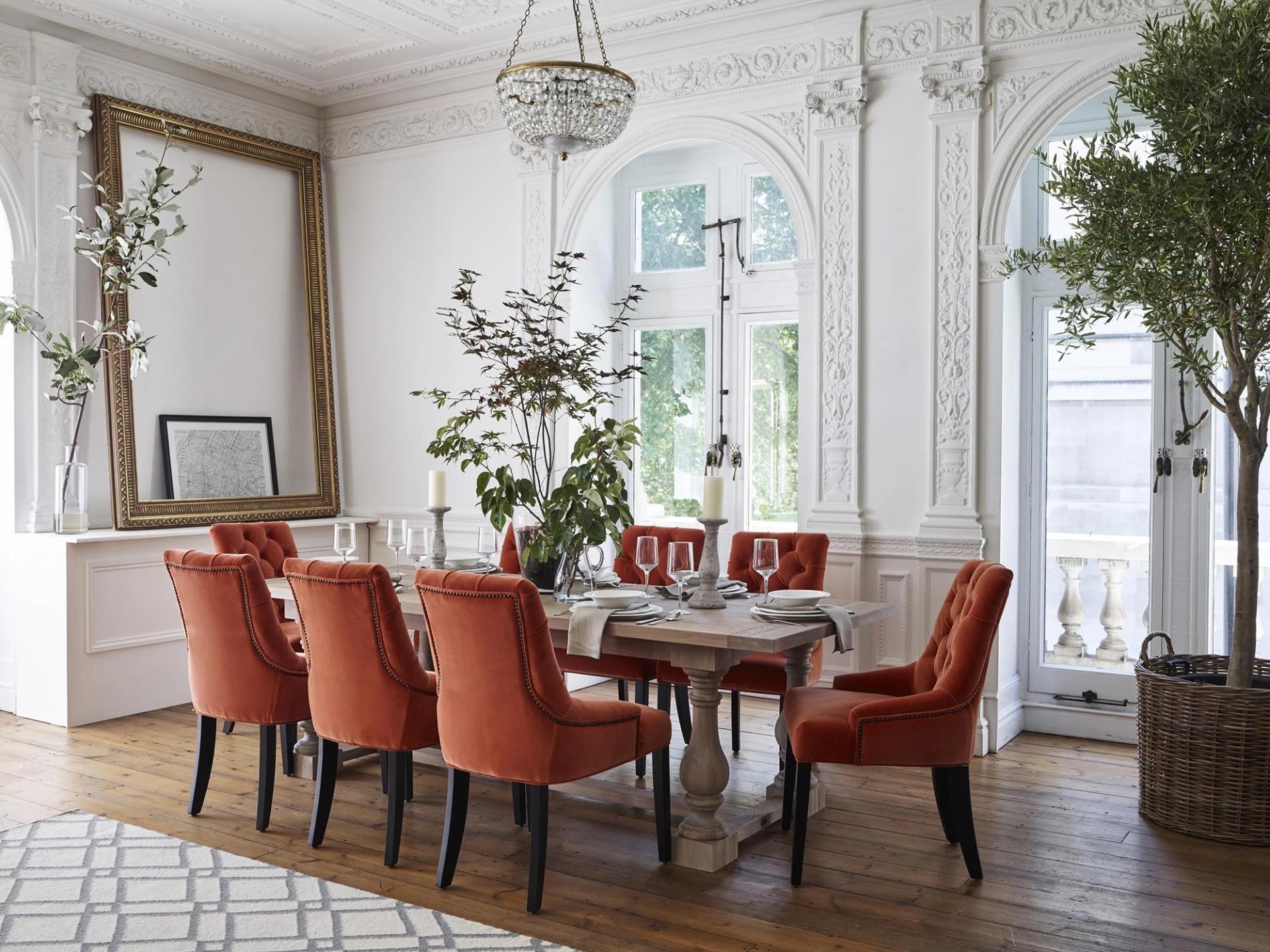
Ensure your chairs fit comfortably under the table with at least 12 inches of clearance between the chair seat and the tabletop. Mix and match chair styles only if they complement the table size and shape.
9. Forgetting About Acoustics
Dining rooms often feature hard surfaces—wood tables, tiled floors, and glass windows—that amplify noise. Without acoustic balance, conversations become difficult and echoey.
Why it’s a problem:
- Noisy spaces reduce comfort during meals.
- Guests may struggle to hear each other clearly.
Solution:
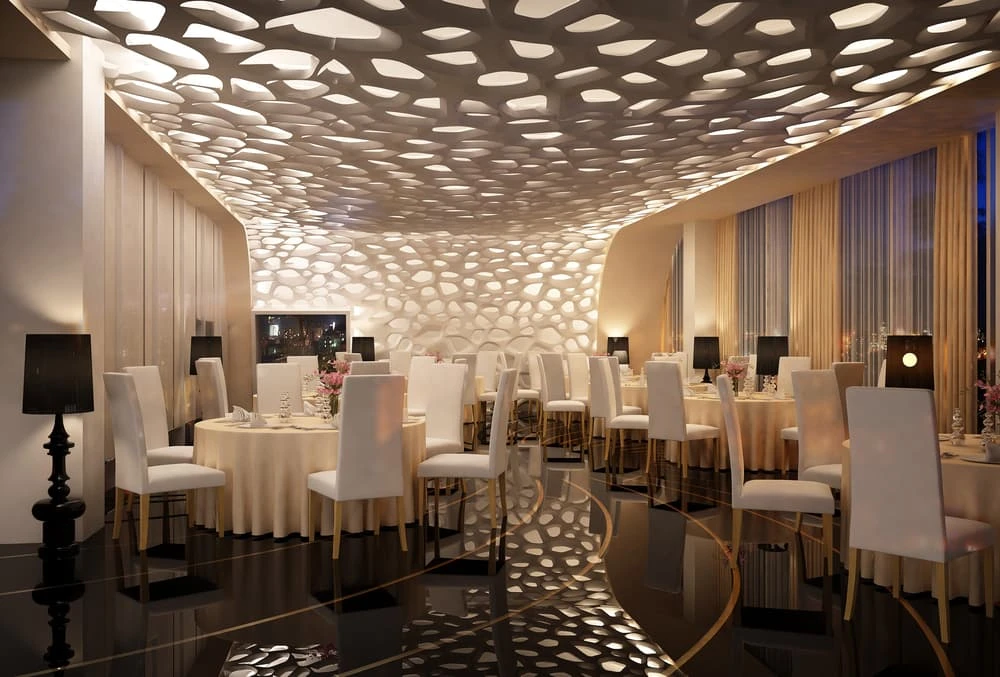
Add soft elements like rugs, upholstered chairs, curtains, or wall panels to absorb sound. This not only improves acoustics but also enhances warmth and coziness.
10. Overcrowding with Décor
It’s tempting to over-decorate the dining room with wall art, plants, table settings, and accessories. However, too much clutter can overwhelm the space and reduce its elegance.
Why it’s a problem:
- Dining feels cramped rather than relaxing.
- Cleaning and maintenance become difficult.
Solution:
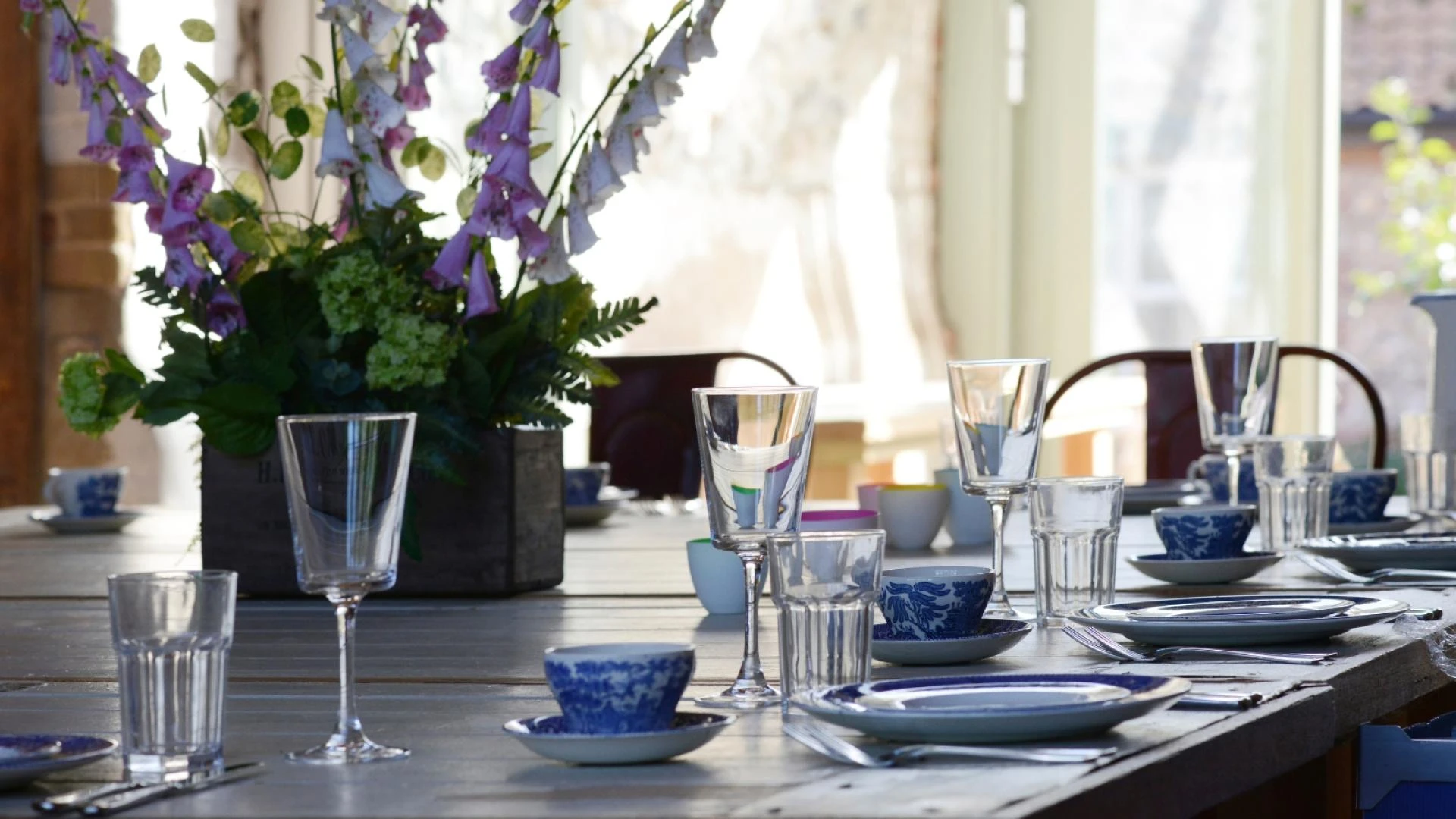
Adopt a “less is more” approach. Keep the centerpiece simple—perhaps a vase of fresh flowers or a decorative bowl. Use wall art sparingly and ensure it complements the theme instead of competing for attention.
Final Thoughts
The dining room should be a place where function meets style. Yet, even the most expensive furniture won’t fix poor planning. By avoiding these common layout mistakes—wrong table size, poor lighting, lack of storage, or overcrowding—you can create a dining space that feels inviting, balanced, and practical.
Remember: the key to a successful dining room isn’t just about furniture and décor, but about how well the layout supports comfort, movement, and togetherness. With thoughtful planning, your dining area can become the true heart of your home.

























Sign in to leave a comment.