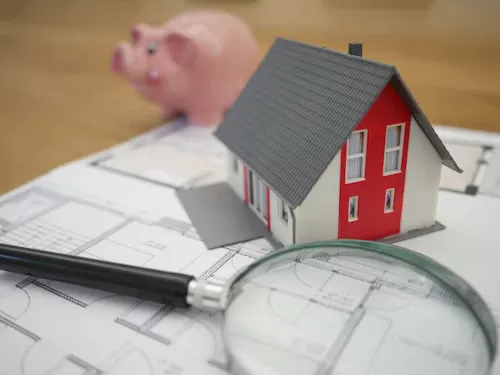

The most successful home design projects succeed not because they look perfect on day one, but because they can evolve without losing their identity. This requires a different mindset than conventional design advice suggests. Rather than creating a perfectly finished vision that never changes, the strategic approach is building foundational decisions strong enough to support evolution while keeping the space feeling cohesive across years of changes.
The challenge for homeowners is understanding where flexibility matters most and where consistency is essential. Some decisions like foundational surfaces, structural elements, and infrastructure shape what a space can become and are expensive or disruptive to change later. Other decisions like furnishings, decor, and finishes are meant to be flexible and should be treated as temporary expressions within a lasting framework.
This distinction determines not just how well a space works today, but how much value it retains and how it serves a home across changing life circumstances, evolving design preferences, and different uses over time.
The Strategic Foundation: Long-Term Value Through Intentional Design Decisions
Designing for flexibility means making decisions that hold their value regardless of how a space evolves over time. Jessie Smart, Strategy & Design Co-Owner at Home Carpet One, explains that flexibility in design is often misread as designing for neutrality. The distinction matters because the safest-seeming choices, the ones made to offend no one and suit any future often produce spaces that feel unresolved and age poorly in their own way. Designing for flexibility means making foundational decisions that are architecturally durable and materially honest, then leaving room for the elements that are easier to change to do the expressive work.
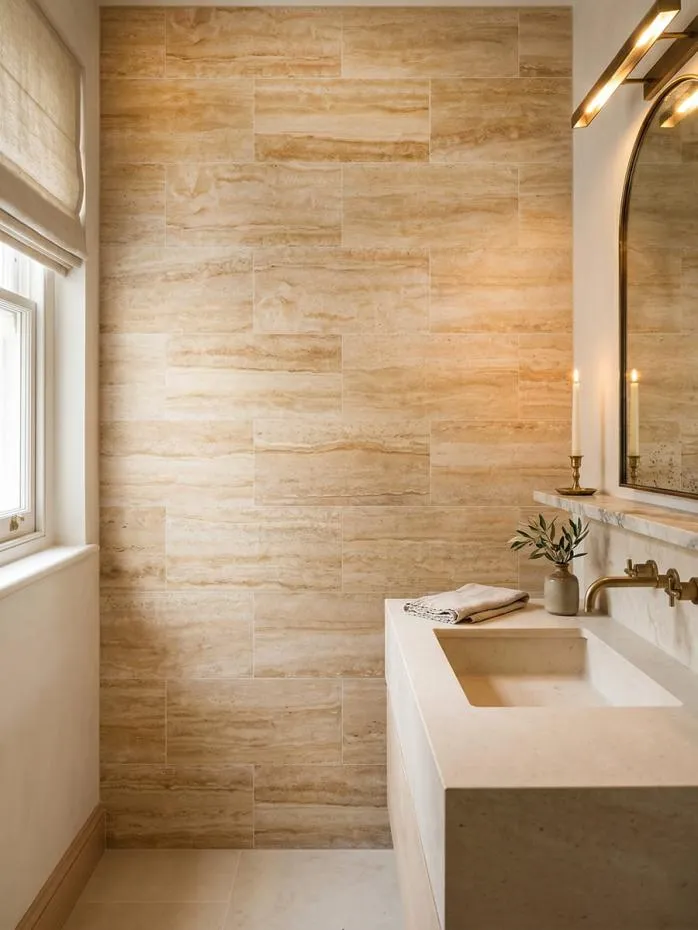
In practice, this means the fixed surfaces carry the most responsibility. A floor specified in quality natural stone or well-constructed broadloom provides a foundation that holds its integrity across ownership changes and renovation cycles without requiring replacement. A tile selection with genuine material depth does the same in kitchens and bathrooms where the surface is both functional and defining. The long-term value argument is straightforward: spaces built on strong permanent surfaces retain their integrity over time because the foundation does not date in the way trend-driven finishes do. Clients who invest at the surface level consistently find that the rooms requiring the least intervention years later are the ones where foundational decisions were made with longevity in mind from the start.
Beyond visible surfaces, infrastructure decisions shape flexibility just as dramatically. Dax Kirks, Operations Manager and Co-Founder at Best Buy Windows & Siding, notes that designing for flexibility means making decisions that hold their value regardless of how a space evolves. Windows are one of the clearest examples of that principle in practice. A window is a permanent architectural feature. Unlike furniture, finishes, or fixtures that get swapped out with changing tastes, the size, placement, and specification of a window shape how a space feels and functions for the lifetime of the building. A properly sized, well-placed window with quality thermal glass does not become obsolete. It delivers natural light, ventilation, and energy efficiency across every use case the space might serve, whether that is a home office today, a bedroom in five years, or a rental unit down the line.
From a long-term value standpoint, windows also age differently than most other building components. A quality vinyl window with Low-E glass and proper installation has a service life measured in decades, not years. Homeowners who invest in the right window specification during a renovation or new build are making a decision that compounds in value over time through lower energy costs, reduced maintenance, and a stronger position at resale. That is what designing for longevity actually looks like in practice.
Similarly, plumbing infrastructure determines what a home can become without major disruption. RJ Romero, Master Plumber and Operations Manager at Metro Flow Plumbing, explains that the plumbing decisions made during a build or renovation are the ones most expensive to undo later. Flexible design from a plumbing standpoint means roughing in supply and drain lines for fixtures not being installed today but might be wanted in five years. Adding a second bathroom, a wet bar, an outdoor kitchen, or a utility sink in the garage all become significantly more affordable when the infrastructure is already in the wall waiting for them. Roughing in an extra drain line during a renovation costs a fraction of what it costs to open a finished wall to add one later. That flexibility does not show up in a listing description but it absolutely shows up in what a home can become over time without major disruption.
Balancing Beauty and Resilience: Design That Survives What Weather Brings
For homeowners in storm-prone regions, the tension between aesthetics and weather resilience is not theoretical. Brad Spurgeon, Owner of Brad Spurgeon Insurance Agency Inc., explains that this tension is something Gulf Coast homeowners navigate constantly, and the insurance implications make it a financial decision as much as a design one. Impact-resistant roofing, hurricane-rated windows and doors, and reinforced garage doors are not just structural choices. They are underwriting factors that directly affect what coverage is available and at what cost.
Carriers in high-risk coastal and storm-prone markets actively reward mitigation features through premium discounts. A Class 4 impact-resistant roof can produce meaningful annual savings that compound over the life of the policy. In many cases the aesthetic difference between a standard and impact-resistant material is negligible, but the insurance difference is substantial. Where homeowners get into trouble is prioritizing appearance over function on components that are invisible until they fail. A decorative roof feature that compromises wind resistance, or windows chosen purely for design that do not meet local wind load requirements, can create coverage complications and claims disputes that a small aesthetic compromise would have avoided entirely.
Weather-resistant lighting design requires choosing fixtures that maintain aesthetic appeal while withstanding extreme conditions like high winds, flooding, and temperature fluctuations that climate change brings to previously temperate regions. Yamen Mahfoud, Sales and Marketing Director at Bees Lighting, explains that impact-resistant LED fixtures with reinforced mounting systems and corrosion-resistant finishes handle severe storms while preserving the design elements that make homes beautiful rather than purely functional. Over 20 years in the lighting industry, Mahfoud has helped homeowners select lighting that enhances curb appeal during calm weather while providing reliable illumination during emergencies when safety becomes paramount.
Storm-ready design strategies begin with choosing fixtures with sealed housings rated IP65 or higher that prevent water infiltration during flooding events. Landscape lighting with flexible mounting systems can bend during high winds without breaking, while still providing the accent illumination that showcases architectural features. Battery backup systems for critical lighting ensure safety during power outages while maintaining the ambiance that makes homes feel welcoming. The key is selecting materials and finishes that resist salt air corrosion in coastal areas while maintaining polished appearances.
Marine-grade finishes and stainless steel components preserve visual appeal while enduring harsh conditions. Tempered glass and impact-resistant materials protect against debris damage without compromising light quality or fixture aesthetics. Solar-powered security lighting provides backup illumination during extended outages while contributing to everyday landscape beauty. Smart lighting systems with weather sensors automatically adjust brightness during storms while maintaining consistent operation. The goal involves selecting fixtures that serve dual purposes: enhancing daily beauty while providing reliable performance when extreme weather tests home resilience and safety systems.
The key insight is that weather-resilient design and beautiful design are not opposing goals when the approach is strategic. Rather than choosing between safety and aesthetics, homeowners should evaluate which resilience features create meaningful protection and which are unnecessary compromises. Impact-resistant materials that maintain visual appeal are often available. Reinforced structural elements do not have to look fortress-like. The goal is eliminating the false choice between protecting a home and making it beautiful, by choosing materials and specifications that accomplish both.
Budgeting and Financing Design Projects: Making Smart Financial Decisions
The transition from aspiration to execution requires discipline that most homeowners underestimate. Jessica Hegge, Co-Founder of Dr Home Finance, explains that budgeting for design projects works best when homeowners treat each improvement as a financial decision first and an aesthetic one second. Before any contractor conversation or showroom visit, establishing a hard ceiling based on current cash reserves, available equity, and monthly cash flow creates the discipline that keeps projects from expanding beyond what the home or the budget can support.
Industry experience shows that cost overruns on home improvement projects are nearly universal, so building a 15 to 20 percent contingency into every project budget is standard practice rather than optional padding. Financing options should match the scale and purpose of the work being done. Smaller cosmetic updates are best handled with cash or short-term personal credit to avoid leveraging home equity for discretionary spending. Mid-range renovations where the scope justifies a structured repayment plan are well suited to a home equity line of credit, which provides draw flexibility as project phases progress. Larger investments tied to structural improvements or additions that add measurable square footage or function are where fixed-rate home equity loans or cash-out refinancing make the strongest case.
A challenge many homeowners navigate is separating emotional attachment to a design vision from what the market will actually reward at resale. Projects that improve livability without proportionally improving appraised value are legitimate quality-of-life investments, but funding them with home equity requires clarity about what that tradeoff means for long-term financial flexibility. Homeowners who approach this with clear categories and honest return expectations consistently make stronger decisions than those who treat renovation budgets as open-ended. The most successful approach combines flexibility with structure: invest in foundational decisions that compound in value over time, budget with discipline and contingency for the execution phase, and remain intentional about which aesthetic choices deserve investment and which can evolve as preferences and circumstances change.
Building Spaces That Last
When homeowners approach design as a long-term strategic decision rather than a completion project, the priorities shift naturally. Permanent elements deserve careful, durable investment. Infrastructure decisions deserve conversations with professionals who understand what flexibility costs or enables. Budgets deserve discipline and contingency. And the spaces that result are cohesive yet flexible, beautiful and resilient, serving homeowners across decades of changes without requiring the kind of wholesale renovation that suggests the original design was wrong.
The homes that age best are not the ones designed to be perfect on day one. They are the ones designed to support evolution while maintaining their character, created by professionals and homeowners thinking strategically about what matters and what changes, and built on foundations strong enough to do both.
























Sign in to leave a comment.