
Expanding a business is a major milestone, but it introduces a set of logistical challenges that single-location owners rarely have to face. When you move from one storefront in Old Town Longmont to a second in Erie and a third in Boulder, you are no longer just managing a shop. You are managing a regional brand.
One of the most visible aspects of this growth is your physical identity.
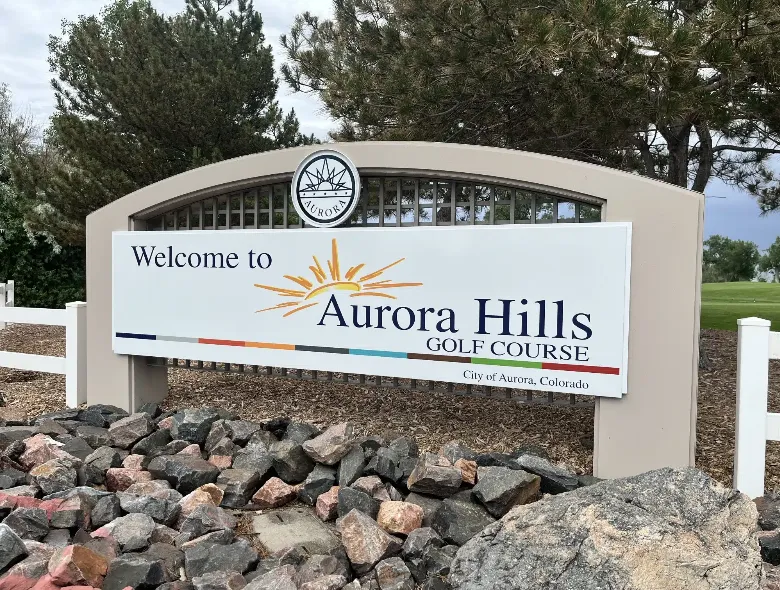
For a multi-location business, signage is the primary handshake with the community. If a customer visits your flagship location on Main Street and later sees your new spot near Village at the Peaks, the experience should feel seamless. If the colors are slightly off, the lighting is different, or the materials look cheaper at one location, it subtly erodes the trust you have worked so hard to build.
Maintaining a unified look across different Colorado municipalities requires more than just a good logo. It requires a strategic playbook that accounts for varied local codes, environmental factors, and fabrication standards.
The Cost of Visual Inconsistency
Why does it matter if your blue is a slightly different shade in Longmont than it is in Firestone? To the casual observer, it might not seem like a deal-breaker, but the human brain is highly sensitive to patterns.
Brand consistency signals stability and reliability. When a business looks the same across all its locations, it suggests a high level of organization and a commitment to quality. Inconsistency, on the other hand, can make a successful regional brand look like a loose collection of independent shops.
For franchises and multi-location service providers, a cohesive custom sign strategy ensures that your marketing dollars are working as hard as possible. You want the recognition built at your first location to immediately benefit your second and third.
Navigating the Maze of Local Sign Codes
One of the biggest hurdles in maintaining a consistent look is that every city in the Front Range has its own set of rules. What is permitted in Longmont might be strictly prohibited in Boulder or Lafayette.
For example, Longmont has specific regulations regarding the size and placement of signs based on the zoning district, whether you are in a historic area or a modern commercial corridor like Hover Street. Boulder is known for even more stringent requirements regarding height, illumination types, and even the "temp" of the light. Erie and Firestone have their own evolving standards as they grow.
A multi-location playbook must be flexible. You cannot always use the exact same dimensions or mounting styles at every site. Instead, consistency is achieved by keeping the "soul" of the brand intact, such as the typography, the specific Pantone color matches, and the quality of the finish, while adapting the physical footprint to satisfy local planners.
This requires a partner who understands the nuances of local permitting and can advocate for your brand during the city review process.
Weatherproofing Your Brand Identity
In Colorado, the elements are a significant factor in brand consistency. We deal with intense UV radiation due to our elevation, along with heavy snow, high winds, and rapid temperature swings.
If you use different fabricators for different locations, you risk your signs aging at different rates. A sign made with high-grade automotive paints and UV-resistant acrylics will look vibrant for a decade. A sign made with cheaper materials might fade, crack, or peel in just three years.
To keep your brand consistent over time, your playbook should specify the exact materials to be used at every location. This includes:
- Standardized Paint Specs: Using specific polyurethane paints that resist UV fading.
- Uniform Lighting: Ensuring the LED color temperature (measured in Kelvin) is identical so your "white" light does not look blue in one shop and yellow in another.
Structural Integrity: Using rust-proof aluminum and heavy-duty mounting hardware that can withstand the wind gusts common near the foothills.
The Efficiency of Centralized Fabrication
When managing multiple sites, there is a strong temptation to hire a different local installer for each project to save on travel costs. However, this often leads to the very inconsistency you are trying to avoid.
Working with a single fabrication partner across all locations enables a "master file" approach. Your brand specifications, including the exact depth of your channel letters and the specific translucency of your vinyl, are saved and replicated perfectly every time. This centralized approach also streamlines maintenance.
If a storm damages a sign in Lafayette, your partner already has the exact specs on hand to manufacture a replacement that matches the rest of your fleet perfectly.
Creating a Wayfinding Standard
Consistency should not stop at the main storefront sign. For businesses with larger footprints or those located in multi-tenant complexes, wayfinding is a critical part of the customer journey.
Your playbook should include standards for directional signs, suite numbers, and even parking lot markers. When a customer sees the same fonts and colors from the moment they pull into the parking lot until they reach the front desk, it reduces navigation anxiety. It makes the entire property feel more professional and easier to use, which is a major factor in customer retention.
Managing the Rollout
Scaling your signage doesn't have to happen all at once. Many businesses in the Longmont area grow one location at a time. The key is to have the playbook ready before the second location opens.
This involves creating a comprehensive brand guide that specifically addresses physical signage. This document should go beyond just showing a logo on a white background. It should show how the logo looks when halo-lit, how it should be mounted on different surfaces, such as brick or stucco, and the minimum and maximum allowable sizes for different building types.
By doing this legwork early, you ensure that as your business spreads across Boulder County and beyond, your visual identity remains a source of strength rather than a logistical headache.
A Reliable Partner for Regional Growth
Building a regional presence is a marathon, not a sprint. Your physical locations are long-term investments that need to work for you every day, rain or shine. Ensuring that your brand stays consistent as you scale is one of the most effective ways to protect those investments.
At Artcraft Sign Company, we specialize in helping businesses navigate the complexities of multi-location signage. From initial design and material selection to the complex world of local permits in Longmont and surrounding cities, we focus on the technical details that keep your brand looking its best. We believe that your success is tied to your visibility, and we are here to help you manage that visibility across every location you open.
If you are currently planning an expansion or looking to unify the look of your existing properties, take some time to learn more about the fabrication and project management strategies that can help you maintain a professional, consistent presence across the Front Range.
Frequently Asked Questions (FAQs)
1. How do I ensure my brand colors look the same at every location?
To maintain color consistency, you should use standardized color systems like Pantone and specify the exact types of high-performance paints and vinyls to be used. It is also important to use identical LED lighting specifications, as different light temperatures can drastically change how your colors appear to the public at night.
2. What should I do if a city code won't allow my standard sign size?
This is a common issue for multi-location businesses. Your signage playbook should include "scaled" versions of your brand. If a city like Boulder has stricter height limits than Longmont, your sign partner can help you adapt the layout (perhaps by moving from a single line of text to a stacked layout) while keeping the font and colors identical.
3. Why is it better to use one company for multiple locations instead of several local ones?
Centralizing your signage ensures that the fabrication quality and material specs are identical. One company will keep your brand's digital assets and material requirements on file, which eliminates the risk of slight variations in manufacturing that can happen when different shops use different brands of acrylic, vinyl, or paint.
4. How does Colorado weather affect sign consistency across locations? Because the Front Range experiences intense sun and wind, signs can fade or degrade at different rates if they aren't made with the same high-quality materials. By specifying UV-resistant finishes and rust-proof metals for all your locations, you ensure that your older signs and newer signs still look like they belong to the same brand.
5. How long does it typically take to get a permit for a new location in the Longmont area?
Permitting timelines vary by city. Longmont and surrounding areas like Lafayette or Erie typically take anywhere from three to six weeks for sign permit approval, though more complex projects in historic or highly regulated districts may take longer. Planning your signage well in advance of your grand opening is always recommended.


























Sign in to leave a comment.