

When you think about your "core," your mind might immediately jump to the image of six-pack abs or intense gym workouts. However, from a clinical perspective, the core is much more than a cosmetic feature. It is the central engine room of your entire body. For many residents here in Burbank, from the animators spending long hours at their desks to the commuters navigating the daily crawl on the 134, core stability is the invisible force that keeps the body upright and moving efficiently.
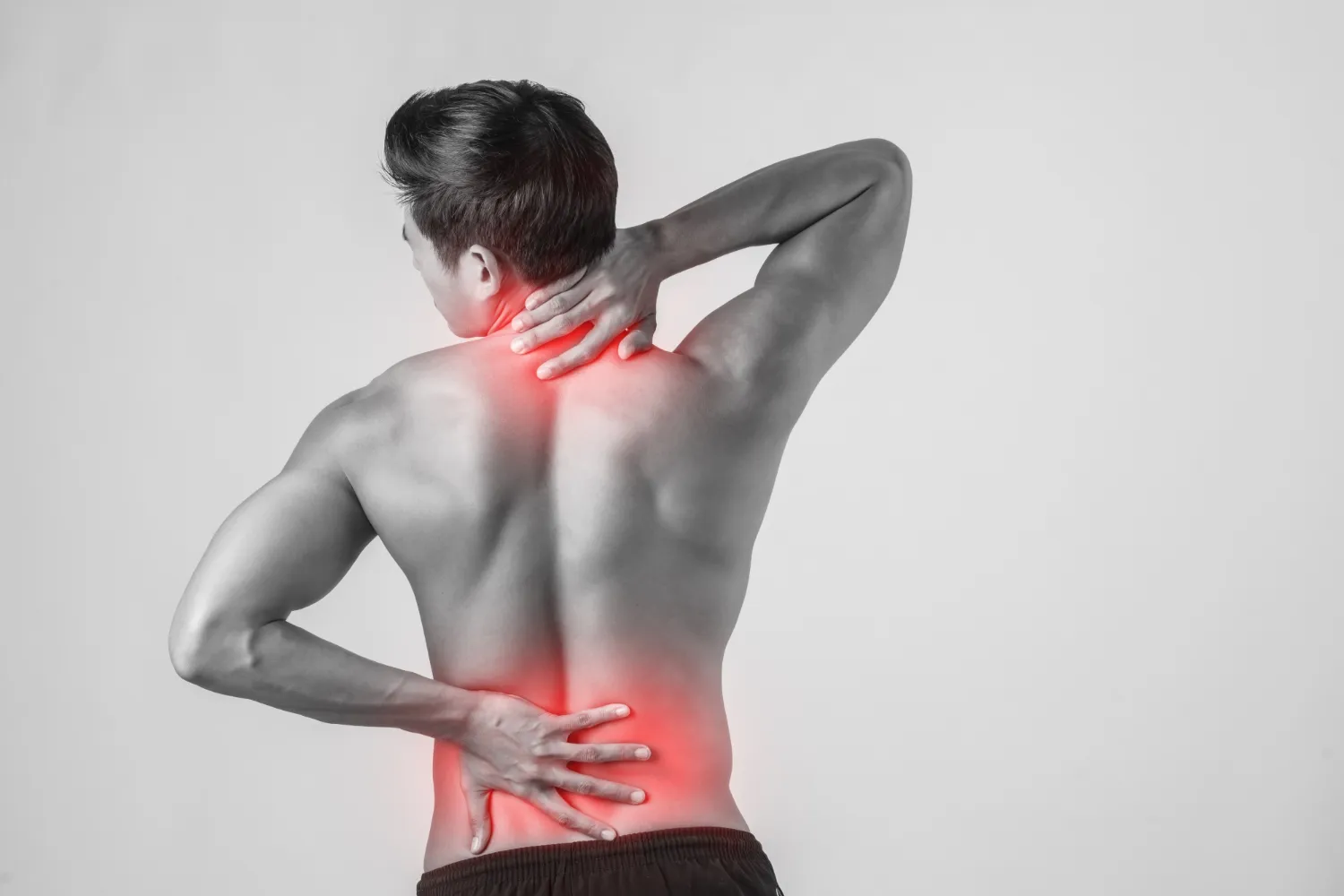
When this central support system weakens, it does not just stay a core problem. It triggers a slow-motion collapse often referred to as the "domino effect." One small misalignment in the pelvis leads to a shift in the spine, which then forces the shoulders to round, eventually resulting in persistent neck strain or even chronic headaches.
Understanding how these layers of the body interact is the first step toward finding a sustainable solution for lasting physical comfort.
The Anatomy of the Core Beyond the Surface
To understand the domino effect, we first have to redefine what the core actually is. It is not just one muscle group. It is a complex canister of stability that includes the diaphragm at the top, the pelvic floor at the bottom, the multifidus muscles along the spine, and the transverse abdominis wrapping around the midsection like a natural corset.
When these muscles work in harmony, they create intra-abdominal pressure. This pressure acts like an internal kickstand for your spine.
Without it, your skeleton has to rely on ligaments and joints to stay upright, which they were never designed to do for long periods. This is why a weak core often presents as "bad luck" with back pain or stiff joints, when in reality, it is a structural failure of the body's primary bracing system.
The First Domino: Pelvic Tilt and Lower Back Strain
The domino effect usually begins at the pelvis. In a city like Burbank, where many of us have desk-heavy lifestyles, the hip flexors tend to become chronically short and tight. This tightness pulls the pelvis forward into what specialists call an anterior pelvic tilt.
When the pelvis tips forward, it creates an exaggerated arch in the lower back. This puts immense pressure on the facet joints of the lumbar spine.
You might notice this as a dull ache after standing in line at the grocery store or a sharp pinch when you try to stand up after a long movie.
Because the core is not holding the pelvis in a neutral position, the lower back muscles have to overwork to compensate, leading to muscle spasms and fatigue.
The Second Domino: Mid-Back Rounding and Breathing Issues
Once the lower back is compromised, the body tries to find a new center of gravity. To keep you from falling forward due to that pelvic tilt, your mid-back (the thoracic spine) often starts to round excessively. This is the body’s attempt at a counterbalance, but it comes at a high price.
As the mid-back rounds, the ribcage drops. This can actually restrict the diaphragm’s ability to move, which is why people with poor posture often feel like they cannot take a full, deep breath. It also limits the mobility of your shoulder blades.
If you have ever felt a knot between your shoulder blades that just won't go away despite massages, it is likely a result of this upward domino effect. Your muscles are screaming because they are being stretched thin by an unsupportive core.
The Third Domino: Forward Head Posture and Headaches
The final domino in this chain is the neck and head. For every inch your head shifts forward from its natural alignment, it adds about ten pounds of effective weight to the delicate muscles of your neck. In a community where we are constantly looking down at tablets or monitors at the local studios, this "forward head posture" is incredibly common.
When the core fails to support the torso, the head drifts forward, and the suboccipital muscles at the base of the skull tighten to keep your eyes level with the horizon. This chronic contraction is a leading cause of cervicogenic headaches. Many patients seek out posture correction because they are tired of treating the symptom (the headache) and want to address the structural root cause.
Why Burbank Residents Are Particularly Vulnerable
Geography and lifestyle play a massive role in musculoskeletal health. Burbank is a hub for the entertainment and tech industries. This means thousands of people are spending eight to ten hours a day in "active flexion," which is a fancy way of saying they are hunched over.
Even outside of work, the Southern California lifestyle often involves long commutes. Sitting in a car seat for an hour on the I-5 or the 101 places the pelvis in a tucked position that "turns off" the deep core stabilizers.
Over months and years, these habits train your nervous system to accept a misaligned state as the "new normal." Breaking this cycle requires more than just "trying to sit up straight;" it requires a professional assessment of the entire kinetic chain.
The Role of Chiropractic Care in Restoring Balance
At North East Chiropractic Center, the focus is not just on the area that hurts, but on the entire system. If a patient comes in with neck pain, we look at the pelvis. If they have sciatica, we look at their core engagement.
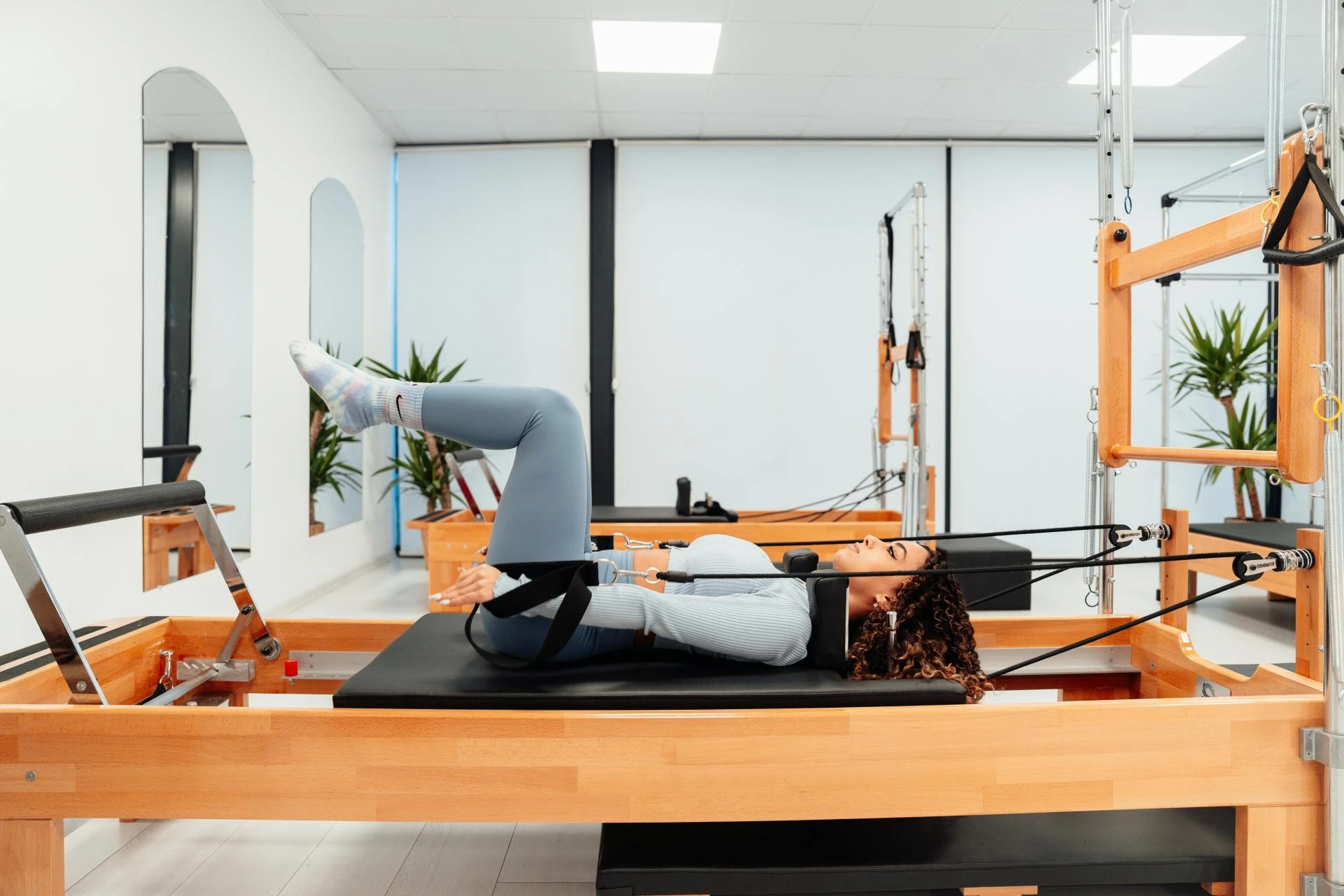
Chiropractic adjustments help by restoring proper motion to the joints that have been locked in a compensatory pattern. When the joints move freely, the nervous system can better communicate with the core muscles. This makes it easier for you to hold a neutral posture without feeling like you are fighting against your own body.
Clinical Evidence for Alignment and Core Strength
The relationship between spinal alignment and core stability is well-documented. According to the National Institutes of Health (NIH), therapeutic exercise and manual therapy are highly effective for managing chronic low back pain.
Furthermore, the American Chiropractic Association (ACA) emphasizes that posture is a reflection of the body's internal balance. When the core is weak, the musculoskeletal system becomes inefficient, leading to premature wear and tear on the joints (osteoarthritis).
Simple Steps to Protect Your Alignment
While professional care is essential for correcting long-standing misalignments, there are small changes you can make today to stop the domino effect from worsening:
The 30-Minute Rule: Set a timer on your phone. Every 30 minutes, stand up and reach your arms toward the ceiling. This resets your "proprioception," which is your brain's awareness of your body in space.
Diaphragmatic Breathing: Practice breathing into your belly rather than your chest. This engages the top of your core "canister" and helps stabilize the spine.
Neutral Feet: When standing, keep your weight distributed evenly between both feet. Shifting your weight to one hip for long periods creates a pelvic imbalance that travels up the spine.
Frequently Asked Questions
1. How do I know if my core is weak?
Common signs include frequent lower back pain, the need to "prop" yourself up with your arms while sitting, or noticing that your belly "pooches" forward even if you are at a healthy weight. Difficulty balancing on one leg is also a strong indicator of deep core instability.
2. Can posture correction help with my headaches?
Yes. Many tension headaches and migraines are triggered by "referred pain" from the neck muscles. By correcting the forward head posture that results from core weakness, you reduce the mechanical stress on the nerves and muscles at the base of your skull.
3. Is core strength the same as having "abs"?
Not necessarily. Someone can have visible abdominal muscles but very weak "deep" stabilizers. True core strength is about the ability to maintain a stable spine while moving your limbs, not just the ability to do a sit-up.
4. Does a standing desk help with core-related alignment?
It can help by preventing the hip flexor tightness associated with sitting, but only if used correctly. If you slouch while standing, you are still triggering the domino effect. It is best to alternate between sitting and standing throughout the day.
5. How long does it take to see results from posture correction?
Every body is different, but many patients notice a difference in their energy levels and comfort within a few weeks. Long-term structural changes typically take consistent care and corrective exercises over several months to "re-train" the nervous system.
Moving Forward Toward Lasting Wellness
Your body is an interconnected network where the foot affects the knee, the knee affects the hip, and the hip affects the spine. By addressing core weaknesses, you are not just helping your back; you are protecting your entire alignment from a cascade of future issues.
If you have been struggling with persistent aches or feel that your posture has slipped over time, it may be time to look deeper than just the surface symptoms. Understanding the "why" behind your discomfort is the key to reclaiming your mobility and living a pain-free life in our busy Burbank community.




























Sign in to leave a comment.