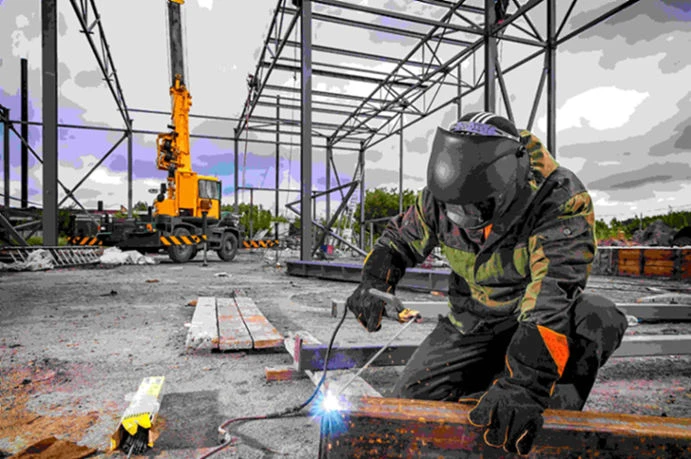

Safety in the workplace is a priority for employers and employees. A safe workplace culture is one where employees are protected against any detrimental effects on their physical health and mental well-being. This results in employees feeling safe and secure, comfortable, and respected. A culture of safety also entails employees being free from discrimination, harassment, and violence.
Organizations operating in industries considered to be more dangerous to worker safety and health due to the higher probability of accidents and injuries require a strong safety culture with established safe work practices. Examples include organizations operating in the construction industry, hazardous waste management operations, the oil and gas industry, chemical manufacturing, and transportation of hazardous materials.
By creating a safety culture, organizations can not only attract a talented workforce but also retain them in the long run. Additionally, employee safety at the workplace is the responsibility of the employer, and regulatory agencies such as OSHA govern workplace safety. Therefore, maintaining high levels of safety at the workplace can also help reduce costs associated with worker compensation claims and legal and non-compliance fines.
How to Create a Safety Culture at the Workplace?
Organizations can follow several best practices to create a safe workplace culture. Let’s discuss a few of them.
Lead by Example
The first step in creating a safety culture is for leaders to be committed to workplace safety. They should set an example by adhering to safety procedures and policies, and by providing resources for safety training and equipment. When leaders prioritize safety, employees are more likely to follow them and diligently focus on safety as well.
Provide Training
Regularly conduct safety training sessions to educate employees on potential hazards, safe work practices, emergency procedures, and the proper use of safety equipment. Ensure that new hires receive thorough safety training as part of their onboarding process. This training should cover the specific hazards of their work environment, how to prevent accidents, and the safe work practices that should be established. As required, refresher training must also be provided to employees. HAZWOPER OSHA Training develops online safety training in line with OSHA, DOT, NFPA, and EPA standards and guidelines. Check out their training course catalog here.
Establish Policies and Procedures
Organizations should develop policies and procedures that outline commitment to workplace safety. Such policies should also state what is and is not acceptable behavior in the workplace, and how work tasks should be carried out. These policies should clearly define expectations, roles, and responsibilities regarding safety. Ensure all safety policies and procedures are clearly communicated to all employees.
Provide Resources and Support
Organizations should ensure that employees have access to the necessary resources, such as personal protective equipment (PPE), tools and machinery that are in good working order, training materials, and information on safety procedures. Support employees in their efforts to maintain a safe workplace by addressing their concerns, providing adequate staffing, and maintaining a safe work environment.
Provide Visual Cues
Putting up safety signs, safety posters, and other visual communication to always practice safety, including what is acceptable and not acceptable, will constantly remind employees that the organization considers employee safety a top priority. Taking such actions will demonstrate an employer's commitment to the well-being of their workers and serve as a source of motivation for employees who are exposed to on-the-job hazards.
Promote a Safety Mindset
Encourage a safety mindset among employees by emphasizing the importance of individual responsibility for safety. Encourage them to report unsafe conditions, suggest safety improvements, and take proactive measures to ensure their own safety and the safety of their colleagues.
Recognize and Reward Safe Behavior
Organizations should implement a system to recognize and reward employees who consistently demonstrate safe behavior and always consider safety as the first step while carrying out work tasks. This can include acknowledging their efforts publicly, providing incentives, or creating a safety recognition program. Positive reinforcement motivates employees to prioritize safety.
Conduct Regular Safety Inspections
Organizations must implement a process of regular and routine safety inspections to identify potential hazards and address them promptly. Regularly assess the physical workplace, equipment, and work processes to ensure compliance with safety regulations and best practices.
Create a Culture of Respect
Organizations should create a culture of respect where employees feel comfortable speaking up if they see or experience something that is not right. This can be done by providing training and by creating an open and supportive environment where employees feel like they can be heard without being discriminated against. Advocating employees to inform supervisors about unsafe work practices would also be seen as respecting employee rights.
Foster Open Communications
Encourage open communication between employees and management. Employees need to be kept informed about safety risks and procedures regularly. In turn, employees must also be able to share safety concerns, near misses, and potential hazards with the management. Establish channels, such as suggestion boxes, anonymous reporting mechanisms, or regular safety meetings, to share developments regarding safety and allow employees to voice their concerns and provide feedback.
Review and Update Safety Protocols
Organizations must regularly review and update all safety policies and procedures to align with OSHA, DOT, EPA, and NFPA regulations and guidelines as well as other the latest industry standards. Stay informed about changes in safety practices and make necessary adjustments to keep the workplace safe.
Continue to Improve Safety Measures
Foster a culture of continuous improvement by regularly evaluating the effectiveness of safety measures, analyzing incidents, and implementing corrective actions. Encourage employees to contribute ideas for safety enhancements and involve them in the decision-making process.
Encourage Reporting
Organizations should encourage employees to officially report any incidents of unsafe work practices as well as harassment or discrimination. This can be done by making it easy for employees to report incidents, and by ensuring that reports are taken seriously and investigated promptly, without an adverse impact on the employee.
Organizations can establish grievance handling mechanisms so that all employees have a formal reporting system and are ensured of receiving a fair hearing, while all supervisors/managers follow a standard procedure.
Ensure Accountability
Employees should know that they will not be retaliated against if they report unsafe work practices, harassment, or discrimination. This means that managers and other employees should not be allowed to make threats or take other actions against employees who report incidents. A grievance-handling mechanism will support accountability amongst the leadership for employee safety and well-being in the organization.
Incident Investigation
Despite all efforts to implement safe work practices and ensure worker safety, accidents will occur at the workplace. In the event of an accident or incident of failure of a workplace safety process, employers need to have a structured system and procedure in place for conducting thorough investigations to identify the root causes and implement preventive measures to avoid future incidents.
Conclusion
Creating a safe workplace culture is an investment that pays off in many ways. Through proactive efforts to cultivate a culture of safety at a workplace or work site, organizations can establish an environment that prioritizes the safety and well-being of individuals, enhances productivity, reduces employee turnover, and fosters a positive and enjoyable experience for all.
Remember, creating a safe workplace culture is an ongoing effort that requires consistent commitment from all levels of the organization. By prioritizing safety and involving employees in the process, employers can foster a culture where everyone feels safe, valued, and motivated to work towards a safer environment.



























Sign in to leave a comment.