

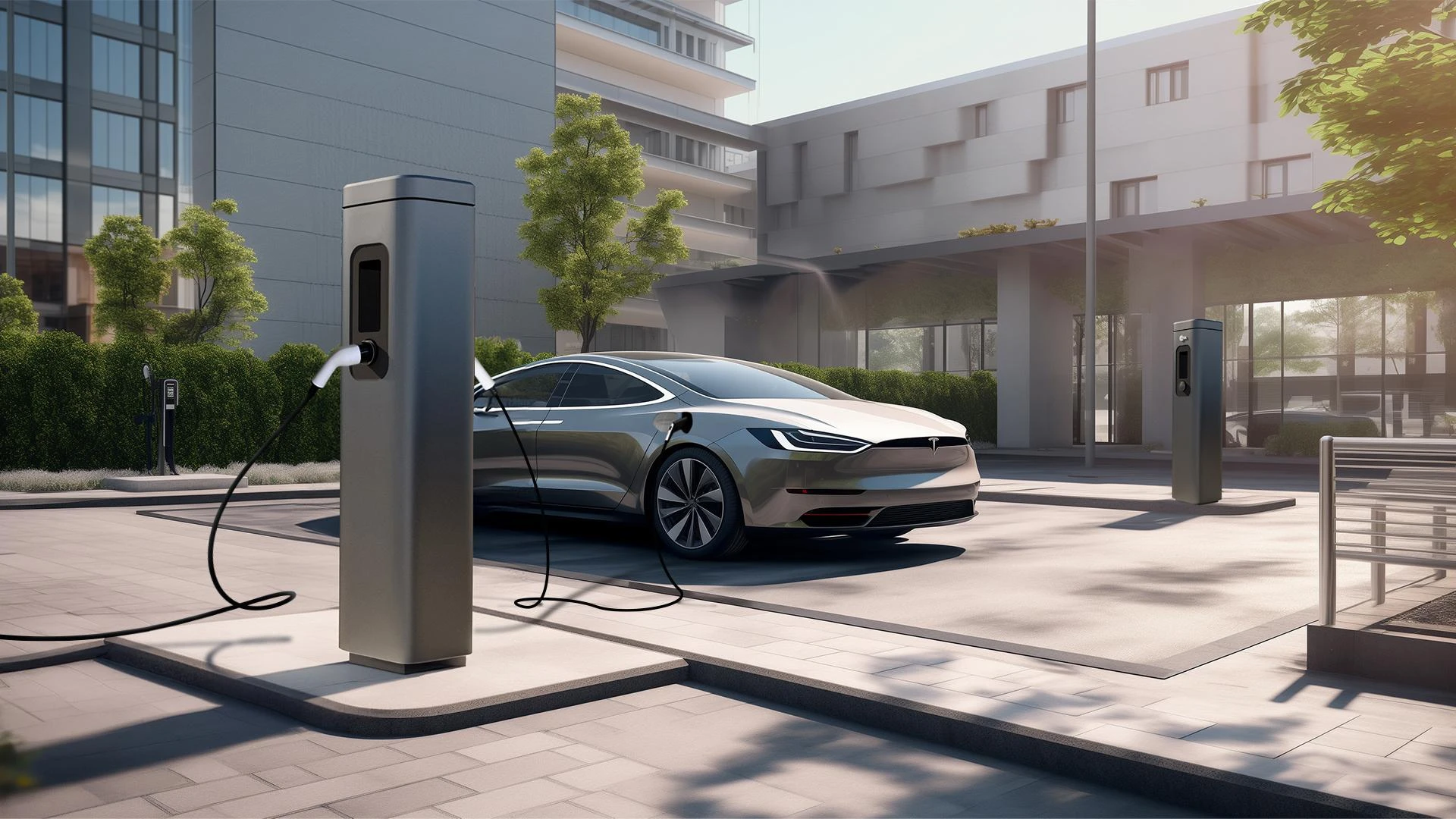
Dubai's rental market faces a new reality: electric vehicle owners increasingly prioritize properties with home charging infrastructure when selecting residences. Landlords offering EV charger Dubai installations command premium rents and attract quality tenants, while those without charging face longer vacancy periods and tenant complaints. Yet most property owners remain uncertain whether investing in charging infrastructure makes financial sense, who should pay installation costs, and how to structure agreements protecting both parties' interests.
This comprehensive guide addresses every question landlords and tenants face regarding EV charger installations in rental properties—from analyzing return on investment and structuring cost-sharing agreements to understanding legal responsibilities and maximizing property value. Whether you're a landlord evaluating whether to install chargers proactively, or a tenant negotiating installation rights, this guide provides the framework for mutually beneficial charging solutions.
The Changing Dubai Rental Landscape
Electric vehicle adoption transforms tenant expectations and property competitiveness:
Market Trends
Growing EV Ownership:
- Current Dubai EV population: ~35,000 vehicles (2026)
- Projected 2028: ~120,000 vehicles
- Annual growth rate: 60-80%
Tenant Demographics: EV owners typically represent premium tenant segments:
- Higher income brackets (AED 25,000+ monthly)
- Professional/executive positions
- Environmentally conscious lifestyle
- Tech-savvy early adopters
- Quality-focused rather than price-sensitive
Competitive Pressure: Premium developments increasingly include charging infrastructure:
- Dubai Hills Estate: 80% of new villas pre-wired for EV charging
- Arabian Ranches 3: Dedicated charging spaces standard
- Business Bay towers: Shared charging networks common
Properties lacking charging infrastructure increasingly compete at disadvantages for premium tenants.
Rental Premium Analysis
Market Research Data (Dubai 2026):
Villas with Home Charging:
- Rental premium: 3-7% above comparable non-equipped properties
- Reduced vacancy periods: 15-25 days faster letting
- Higher tenant retention: 18-month average vs. 12-month standard
- Lower maintenance issues: Quality tenants typically better property care
Example Calculation: AED 180,000 annual villa rent:
- 5% premium = AED 9,000 additional annual income
- 20-day faster letting = AED 9,863 saved vacancy costs
- Total first-year benefit: AED 18,863
Apartments with Dedicated Charging:
- Rental premium: 2-5% above comparable units
- Significantly faster letting in competitive buildings
- Differentiation factor in crowded markets
ROI Timeline: Typical villa charging installation (AED 4,500) recovers investment in:
- 6-8 months through rental premium alone
- 3-5 months including reduced vacancy
- Ongoing benefits throughout ownership period
Landlord Perspectives: Investment or Liability?
Property owners evaluating charging infrastructure face strategic decisions impacting property value and rental income:
Investment Benefits
Immediate Financial Returns:
Higher Rental Income: Properties with charging infrastructure command measurable premiums. In competitive areas like Arabian Ranches, Dubai Hills, or Springs, EV-equipped properties let 5-8% above market rates.
Faster Letting: Average time-to-let statistics:
- Non-equipped villa: 35-45 days average
- EV-equipped villa: 15-25 days average
- Savings: 20+ days holding costs (mortgage, maintenance, utilities)
Quality Tenant Attraction: EV owners statistically represent:
- Higher credit scores
- More stable employment
- Longer tenancy durations
- Better property maintenance
Reduced Turnover: EV tenants hesitate relocating from properties with convenient charging, extending tenancy periods and reducing turnover costs.
Long-Term Asset Value:
Future-Proofing: As EV adoption accelerates, charging infrastructure transitions from luxury amenity to essential feature—comparable to internet connectivity evolution.
Property Valuations: Forward-looking property valuations increasingly factor charging infrastructure:
- Currently: 0.5-1% property value increase
- Projected 2028: 2-3% property value increase
- Properties without charging may face value discounts
Sale Advantages: When selling, EV-equipped properties:
- Attract larger buyer pools
- Command premium pricing
- Sell faster in competitive markets
- Appeal to investor buyers seeking modern amenities
Installation Costs
Typical Landlord Investment:
Standard Villa Installation:
- Basic 7kW charger: AED 2,500-3,500
- Mid-range 11kW charger: AED 3,500-5,000
- Premium 22kW charger: AED 5,000-7,000
- Average: AED 4,500
Apartment Installation (if feasible):
- Variable depending on complexity: AED 5,000-12,000
- Often impractical for high-rise apartments
- Low-rise apartments more feasible: AED 6,000-9,000
Long-Term Costs:
- Annual maintenance: AED 200-400
- Electricity consumption: Tenant responsibility (separate metering)
- Equipment replacement (10-15 year lifespan): AED 2,500-5,000
Tax and Accounting Considerations
Capital Improvement: EV charger installations qualify as capital improvements:
- Depreciable over equipment lifespan
- Increases property cost basis
- Potential tax deductions (consult tax advisor)
Rental Business Expense: Installation costs may qualify as deductible business expenses for rental property operations (verify with qualified accountant).
Risk Mitigation
Tenant Damage Protection:
Include charging equipment in tenancy agreements:
- Equipment remains landlord property
- Tenant responsible for damage beyond normal wear
- Security deposit covers potential damage
- Annual inspection rights reserved
Insurance Coverage:
Notify property insurance of installation:
- Typically minimal premium impact
- Ensure coverage includes electrical installations
- Document proper DEWA permits preventing claim denials
Equipment Selection:
Choose reliable brands minimizing maintenance:
- Established manufacturers (Schneider, ABB, Wallbox)
- Extended warranties (3-5 years)
- Local service availability
- Durable construction for Dubai climate
Tenant Perspectives: Negotiating Installation Rights
Renters wanting home charging face different considerations than property owners:
Landlord Negotiation Strategies
Approach 1: Landlord Full Investment
Proposal: Landlord pays complete installation costs; tenant benefits from charging convenience.
Tenant Value Proposition:
- Willing to pay modest rental premium (2-3%)
- Commit to extended lease term (2-3 years)
- Maintain equipment properly
- Provide positive references
Success Rate: 30-40% of landlords accept this proposal, especially:
- Multiple competing tenant applications
- Premium rental segments
- Properties in competitive markets
- Forward-thinking landlords recognizing future value
Approach 2: Cost Sharing Agreement
Proposal: Tenant and landlord split installation costs; both benefit from investment.
Typical Split:
- Landlord: 50-70% (permanent property improvement)
- Tenant: 30-50% (immediate usage benefit)
Example: AED 4,500 installation cost:
- Landlord contribution: AED 3,000
- Tenant contribution: AED 1,500
- Landlord gains asset; tenant gains charging access
Success Rate: 60-70% of reasonable landlords accept cost-sharing proposals.
Approach 3: Tenant Full Investment
Proposal: Tenant pays complete installation cost in exchange for:
- Rental rate reduction
- Extended lease terms
- Equipment removal rights upon departure
Rental Reduction: Amortize installation cost over lease:
- Installation cost: AED 4,500
- 2-year lease: 24 months
- Monthly reduction: AED 187.50
Equipment Ownership: Negotiate ownership terms:
- Tenant owns equipment, may remove upon departure
- OR landlord compensates tenant for equipment at departure
- OR tenant transfers ownership to landlord for agreed compensation
Success Rate: 85-90% of landlords accept tenant-funded installations (minimal landlord risk).
Legal Protection for Tenants
Written Agreement Essential:
Never proceed without formal written agreements covering:
- Installation authorization
- Cost responsibilities
- Equipment ownership
- Removal rights
- Damage liability
- Lease term commitments
- Maintenance responsibilities
Amendment to Tenancy Contract: Formalize charging infrastructure terms through official tenancy contract amendments filed with RERA (Dubai's Real Estate Regulatory Agency).
DEWA Permit Considerations:
Landlord Approval Required: DEWA permit applications require property owner consent. Obtain written landlord approval before beginning permit process.
Permit Transferability: DEWA permits attach to properties, not tenants. Upon departure:
- Installation remains permitted
- New tenants benefit from existing approval
- Landlord maintains compliance documentation
Portable Charging Solutions
When Permanent Installation Impossible:
Some situations prevent permanent installations:
- Landlord absolute refusal
- Building management restrictions
- Extremely short-term leases (<12 months)
- Temporary housing situations
Alternative: Portable Chargers
Characteristics:
- Plug into standard outlets (13-amp socket)
- Charging power: 2.8-3.5kW
- No permanent installation required
- Take with you upon relocation
Limitations:
- Very slow charging (12-15 hours for full charge)
- Requires nearby outdoor outlet
- Not suitable for high daily mileage
- Inefficient use of time
Suitability: Only for:
- Very low daily driving (<50km)
- Supplement to workplace/public charging
- Temporary situations
- Emergency backup
Workplace and Public Charging Alternatives
Combined Strategy:
Many tenants successfully combine:
- Workplace charging during office hours
- Public DC fast charging weekly
- Occasional home portable charging
Economics:
- Workplace charging: Often free or subsidized
- Public charging: AED 1.50-2.50 per kWh
- Monthly cost: AED 150-300
- vs. Home charging: AED 80-120 monthly
Viability: Reasonable for tenants who:
- Have consistent workplace charging access
- Drive moderate daily distances
- Don't mind occasional public charging sessions
- Cannot secure landlord installation approval
Structuring Win-Win Agreements
Recommended Framework:
Scenario 1: Landlord Investment
Terms:
- Landlord pays complete installation (AED 4,500)
- Equipment remains landlord property
- Tenant pays 3-5% rental premium
- Minimum 2-year lease commitment
- Tenant maintains equipment properly
- Annual professional inspection (landlord pays)
Economics:
- Landlord recovers investment: 12-18 months
- Ongoing premium income: Life of property ownership
- Increased property value
- Tenant enjoys convenient home charging
Scenario 2: Cost Sharing
Terms:
- Costs split 60% landlord / 40% tenant
- Equipment becomes landlord property
- No rental premium
- 2-3 year lease commitment
- Shared maintenance costs proportionally
- Tenant receives AED 500 credit upon successful 2-year completion
Economics:
- Landlord investment: AED 2,700 (60% of AED 4,500)
- Tenant investment: AED 1,800 (40% of AED 4,500)
- Both parties benefit from charging access and property value
- Completion bonus incentivizes tenant lease fulfillment
Scenario 3: Tenant Investment
Terms:
- Tenant pays complete installation (AED 4,500)
- Equipment ownership negotiated:
- Option A: Tenant owns, may remove upon departure
- Option B: Becomes landlord property; landlord compensates 50% remaining value
- Option C: Transfers to landlord; next tenant's deposit includes reimbursement
- No rental premium
- Flexible lease terms
Economics:
- Landlord zero investment, gains asset
- Tenant immediate charging access
- Equipment recovery options protect tenant investment
Professional Installation Regardless of Funding
Critical Requirement:
Regardless of who pays, always use professional licensed installers:
Why:
- DEWA permit approval requires licensed contractors
- Insurance coverage depends on proper installation
- Safety and reliability require professional work
- Both landlord and tenant protected by proper installation
GoEV Charger Services:
Professional installation services for rental properties include:
- Landlord-tenant agreement consultation
- Complete DEWA permit handling
- Licensed installation execution
- Comprehensive documentation
- Warranty coverage protecting all parties
Cost Structure:
Transparent pricing regardless of funding source:
- Equipment + installation quoted together
- No hidden charges or funding-based markups
- Flexible payment arrangements
- Documentation supporting cost-sharing agreements
Tax and Financial Considerations
For Landlords:
Consult Tax Professionals:
- Capital improvement depreciation
- Rental business expense deductions
- Property value basis adjustments
For Tenants:
Potential Considerations:
- Installation costs as moving expenses (if employment-related)
- Home office deductions (if applicable)
- Capital loss on abandoned equipment
Recommendation: Both parties should consult qualified tax advisors understanding their specific situations before significant installations.
Future Trends Affecting Decisions
Regulatory Evolution:
Dubai municipality increasingly considers:
- Mandatory charging infrastructure in new developments
- Retrofit requirements for existing properties
- Incentive programs for landlord installations
Early Adopter Advantages: Landlords installing now position ahead of potential future mandates while enjoying current competitive advantages.
Market Maturation: As EV adoption reaches 15-20% market share (projected 2027-2028), charging infrastructure transitions from differentiator to expected standard—properties without charging face rental challenges.
Conclusion: Investment in Tenant Satisfaction and Property Value
Whether you're a landlord evaluating proactive installation or a tenant negotiating charging access, EV charger Dubai installations in rental properties create win-win scenarios. Landlords gain competitive advantages, rental premiums, and increased property values. Tenants secure convenient charging essential for EV ownership while potentially sharing costs with property owners.
The key lies in structured agreements protecting both parties through clear terms, professional installation, and proper documentation. Partner with experienced providers like GoEV Charger who understand rental property dynamics and facilitate mutually beneficial charging solutions.
Visit goevcharger.com to discuss your rental property EV charging needs and discover flexible solutions for landlords and tenants.


























Sign in to leave a comment.