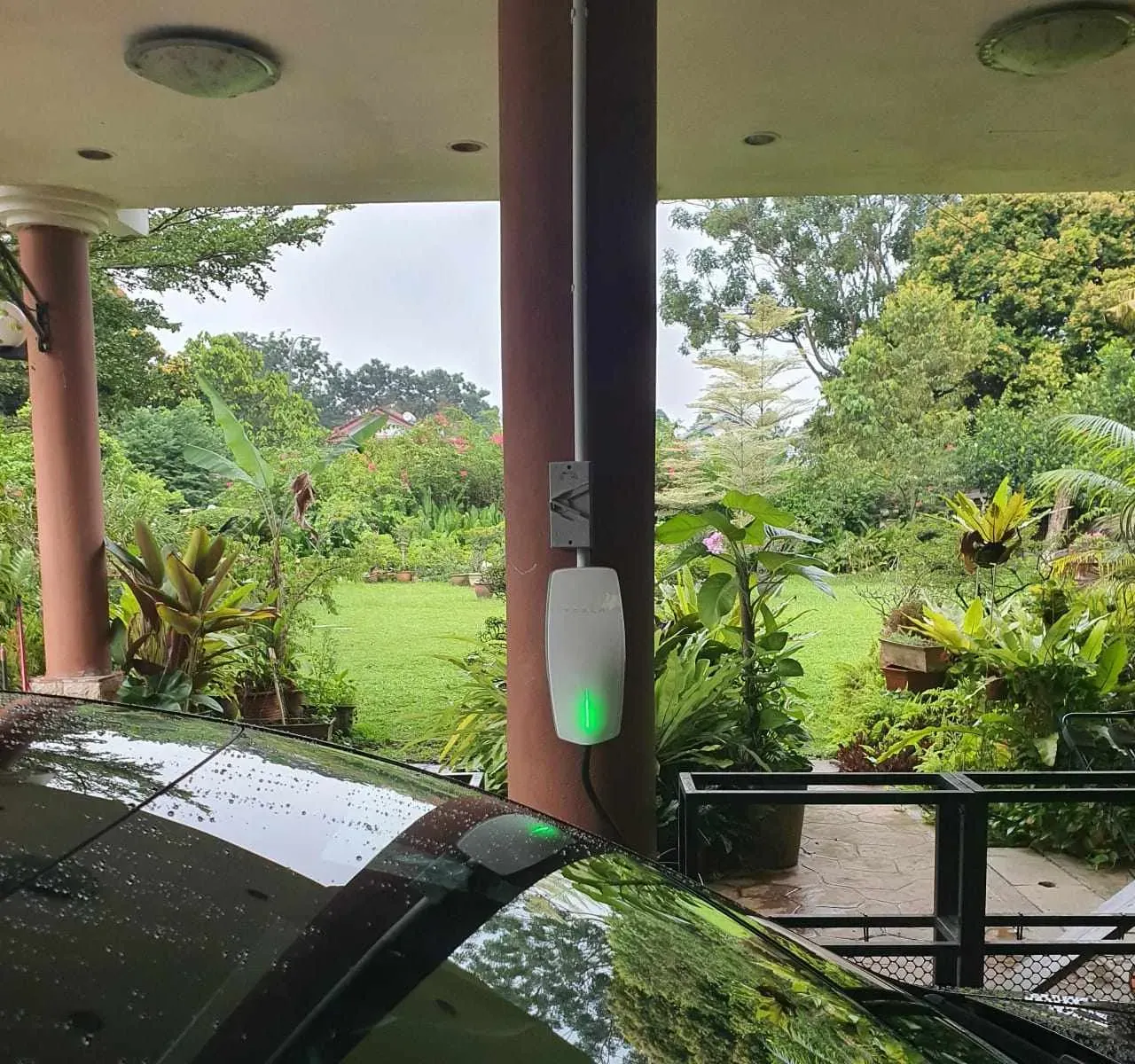

With electric vehicle ownership continuing to grow across New Hampshire, more homeowners are choosing to install dedicated charging equipment at home. One of the first decisions you'll need to make is whether a Level 1 or Level 2 charger best fits your lifestyle.
While both charging options are designed to safely recharge an electric vehicle, they differ in charging speed, installation requirements, and long-term convenience. If you're planning an EV Charger Installation in Derry, NH, understanding these differences can help you make an informed investment for your home.
Understanding Level 1 EV Charging
Level 1 charging uses a standard 120-volt household outlet and is the charging method most EV owners have available immediately. Most manufacturers include a portable charging cable that plugs directly into a conventional outlet.
For many drivers with short daily commutes, Level 1 charging can adequately replenish the battery overnight.
Advantages include:
- No specialized equipment required
- Minimal upfront investment
- Ideal for drivers with relatively low daily mileage
- Convenient if a properly located outlet is already available
However, Level 1 charging is the slowest charging option. Depending on the vehicle, charging equipment, and battery condition, it generally adds approximately 2 to 5 miles of driving range per hour of charging. Fully charging a battery-electric vehicle may require more than a full day.
What Is a Level 2 EV Charger?
Level 2 charging uses a dedicated 240-volt electrical circuit similar to those used by large household appliances. Because it delivers significantly more power than a standard outlet, Level 2 charging has become the preferred home charging solution for many EV owners.
Unlike Level 1 charging, a Level 2 charger requires professional installation by an electrician in Derry, NH, who can verify that your home's electrical system meets the manufacturer's requirements and applicable electrical codes.
Most Level 2 chargers provide approximately 10 to 25 miles of driving range per hour of charging, although charging speeds vary based on the charger, vehicle, battery size, and environmental conditions.
For households with daily commuters or multiple electric vehicles, this faster charging capability often makes Level 2 the more practical choice.
Level 1 vs. Level 2 at a Glance
| Feature | Level 1 | Level 2 |
| Power Source | Standard 120V outlet | Dedicated 240V circuit |
| Installation | Usually none | Professional installation required |
| Typical Charging Rate | 2–5 miles of range per hour | 10–25 miles of range per hour* |
| Best For | Occasional or low-mileage drivers | Daily commuters and households with multiple EVs |
- Actual charging speeds vary by vehicle, charger output, and battery condition.
Choosing the Right Charger for Your Home
The right charging solution depends largely on how you use your vehicle.
If your daily driving is limited and your EV remains parked overnight, Level 1 charging may be sufficient. However, homeowners who commute longer distances, frequently drive throughout the day, or anticipate purchasing another electric vehicle often find that Level 2 charging offers greater convenience and flexibility.
Before scheduling an EV Charger Installation Derry, NH, a qualified electrician should evaluate your home's electrical system, including panel capacity, available breaker space, wiring, grounding, and overall service capacity. Some older homes may require an electrical panel upgrade before a new charging circuit can be safely installed.
Why Professional Installation Matters
Installing an EV charger involves more than mounting equipment on a wall. A properly installed charging system requires correctly sized wiring, overcurrent protection, and compliance with the currently adopted National Electrical Code (NEC) and local permitting requirements.
Hiring a certified electrician near me helps ensure that:
- The charger is installed according to manufacturer specifications.
- Electrical components are properly sized.
- Required permits and inspections are completed where applicable.
- The charging equipment operates safely and reliably.
Professional installation also provides confidence that your home's electrical system is prepared for long-term EV ownership.
Final Thoughts
Choosing between Level 1 and Level 2 charging comes down to your driving habits, your home's electrical capacity, and your long-term transportation plans. While Level 1 charging can meet the needs of some drivers, many homeowners appreciate the faster charging times and added convenience that a professionally installed Level 2 charger provides.
If you're considering an EV Charger Installation in Derry, NH, consulting the professional team at Janusz Electric is the best way to determine which charging solution is appropriate for your home. Working with a certified electrician near me helps ensure your installation is safe, code-compliant, and designed to support reliable charging for years to come.
Ready to upgrade your home's charging capabilities? Get in touch with their team today to schedule your consultation.





























Sign in to leave a comment.