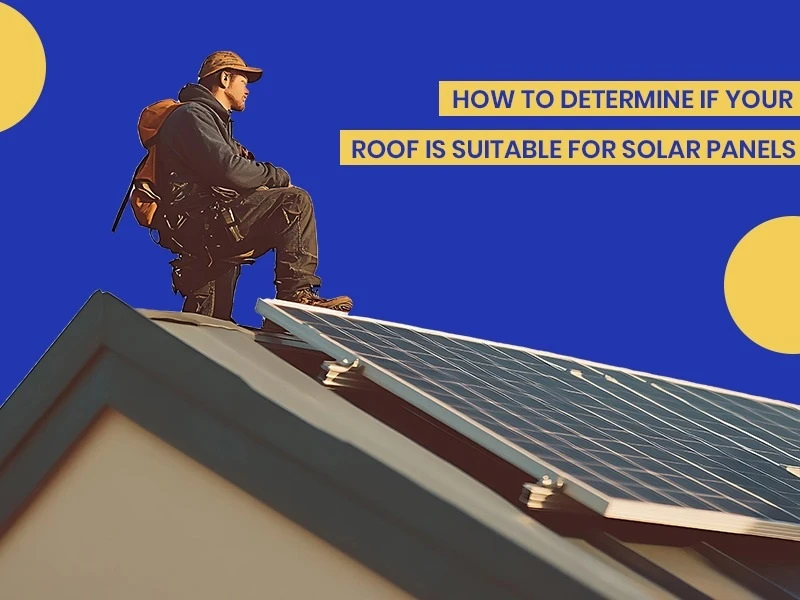
The increasing concern for environmental sustainability and rising energy costs of installing solar panels on their rooftops led many homeowners to consider solar panels for rooftop installation. Solar energy is a clean and renewable source of energy that can significantly reduce their reliance on traditional energy sources. Nevertheless, not every roof can accommodate solar panels. Before selecting a choice, several things need to be taken into account. This article will guide you through the essential steps to determine if your roof is a good candidate for solar panels.
Key Factors to Consider
1.Roof Orientation and Tilt:
Optimal Orientation: South-facing roofs are ideal for maximum solar energy absorption. However, roofs facing east or west can still generate significant amounts of electricity, albeit slightly less than south-facing roofs.
Ideal Tilt Angle: The optimal tilt angle varies depending on your location's latitude. For instance, if you live in a region with a latitude of 30 degrees, a 30-degree tilt angle would be suitable.
2.Roof Shading:
Shade Assessment: Evaluate your roof for any potential shading from trees, buildings, or other structures. Shade can drastically lower the output of your solar panels.
Shading Analysis: Consider using a solar resource assessment tool or consulting with a solar installer to analyze the shading patterns on your roof throughout the year.
3.Roof Material and Condition:
Compatible Materials: Common roof materials suitable for solar panel installation include asphalt shingles, metal roofs, and tile roofs.
Roof Condition: Your roof should be in good condition and free from leaks or damage. A structurally sound roof is essential for supporting the weight of the solar panels and the installation equipment.
4.Roof Pitch:
Minimum Pitch: Most solar panel installations require a minimum roof pitch of 10 degrees. However, some newer mounting systems can accommodate lower-pitch roofs.
Steeper Pitches: Steeper roofs can sometimes pose challenges for installation, but experienced solar installers can handle various roof pitches.
Local Building Codes and Regulations:
Compliance: Before proceeding with solar panel installation, ensure that your local building codes and regulations permit solar energy systems.
Permits and Inspections: Obtain necessary permits and comply with local inspection requirements to ensure a safe and legal installation.
How to Assess Your Roof's Suitability
1.Visual Inspection:
Roof Condition: Check for any signs of damage, such as missing shingles, cracks, or leaks.
Shading Analysis: Observe your roof throughout the day to identify potential shading issues.
2.Professional Roof Inspection:
Detailed Assessment: Hire a qualified roofing contractor to conduct a thorough inspection of your roof.
Structural Integrity: The contractor can assess the structural integrity of your roof and identify any necessary repairs or reinforcements.
3.Solar Energy Assessment:
Solar Installer Consultation: Consult with a reputable solar installer to discuss your specific needs and roof conditions.
Site Visit and Analysis: The installer will conduct a site visit to evaluate your roof's suitability and provide a detailed assessment.
Solar Resource Assessment: The installer may use specialized software to analyze your roof's solar potential, considering factors like shading, orientation, and tilt.
Best Solar Company In Jaipur
When considering the Best Solar Company In Jaipur, it's crucial to select a reputable company that offers high-quality products and services. Here are some of the top solar companies in Jaipur, known for their expertise and customer satisfaction:
● SolarMax Solar Energy Solutions: A well-established company offering a wide range of solar solutions, including rooftop solar systems, solar water heaters, and solar street lighting.
● Vincent Solar Energy: A leading provider of innovative solar energy solutions, specializing in residential and commercial solar installations.
● Enecon Solar: A renowned solar company known for its commitment to quality and customer service. They offer a variety of solar products and services, including solar panel installation, solar water heaters, and solar power plants.
● Rays Power Infra: A major player in the Indian solar industry, offering comprehensive solar solutions, from project development to EPC services.
● mPower GREEN ENERGY: A trusted solar company providing customized solar solutions for residential and commercial clients.
How to Choose the Best Solar Company in Jaipur
Research and Reviews:
Look for companies with a strong online presence and positive reviews from previous customers.
Check their website and social media pages for information about their services, products, and customer testimonials.
Experience and Expertise:
Choose a company with a proven track record and experienced professionals.
Consider their certifications and affiliations with industry bodies.
Quality Products and Services:
Ensure the company uses high-quality solar panels, inverters, and other equipment.
Inquire about their warranty and maintenance policies.
Customer Service and Support:
A good solar company should provide excellent customer service and support throughout the entire process, from initial consultation to post-installation maintenance.
Understanding Solar Energy Basics
● How Solar Panels Work: A brief explanation of the photovoltaic effect and how solar cells convert sunlight into electricity.
● Types of Solar Panels: A discussion of different solar panel technologies, such as monocrystalline, polycrystalline, and thin-film.
● Solar Inverters: The role of inverters in converting direct current (DC) power from solar panels into alternating current (AC) power for household use.
Benefits of Solar Energy
● Environmental Benefits: Reduced carbon emissions and greenhouse gas emissions.
● Economic Benefits: Lower electricity bills and potential for energy independence.
● Government Incentives: Explore government subsidies and tax credits available for solar energy systems.
Potential Challenges and Considerations
● Initial Investment: The upfront cost of solar panel installation.
● Weather Conditions: How weather factors like cloud cover and dust can affect solar panel performance.
● Grid Tie Systems vs. Off-Grid Systems: A comparison of the two main types of solar power systems.
● Battery Storage: The benefits of adding battery storage to your solar system for energy backup.
Future of Solar Energy
● Technological Advancements: Explore emerging solar technologies, such as perovskite solar cells and bifacial solar panels.
● Grid Integration: Discuss the role of solar energy in the future of the electric grid.
● Community Solar: Learn about community solar programs and how they can benefit consumers.
By delving into these topics, you can gain a deeper understanding of solar energy and make informed decisions about your solar project.
Conclusion
By carefully considering the factors discussed in this article, you can determine if your roof is suitable for solar rooftop panels. A well-designed and properly installed solar energy system can provide significant long-term benefits, including reduced energy costs, environmental sustainability, and increased property value. Remember to consult with a qualified solar installer to get accurate advice and ensure a successful solar panel installation.




Sign in to leave a comment.