

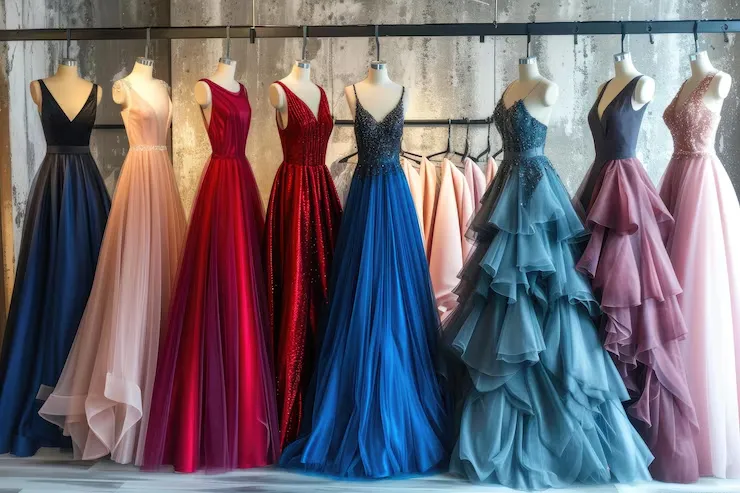
Formal dressing has always had an element of ceremony to it — the deliberate choice of fabric, the attention to fit, the quiet confidence that comes from wearing something that was made to impress. What's shifting right now is the definition of what "formal" actually means. The boundaries are wider, the options more interesting, and the best evening dresses for women reflect a sophisticated blend of structure and self-expression.
Why Silhouette Matters More Than Trend
Before diving into what's popular, it's worth understanding why silhouette is the single most important factor in formal dressing. Trend cycles move fast — but a dress that flatters your proportions and suits your body type will always outperform one that's simply on-trend.
The most wearable evening silhouettes continue to be the A-line, the column, and the ballgown. Each creates a different visual effect, and the right one depends on the event, the venue, and the look you want to achieve.
What's Actually Trending in Formal Gowns
Structured corset bodices have moved from bridal to eveningwear in a major way. Whether built into a full ball gown or paired with a sleek column skirt, the boned or semi-boned bodice adds shape and polish without looking overdone.
Cape details are having a significant moment. A floor-length gown with a dramatic cape back or attached side panels reads as both editorial and wearable — striking enough for a gala or awards evening, refined enough for a black-tie wedding.
On the quieter end of the spectrum, minimal slip silhouettes in bias-cut satin remain a perennial choice for women who prefer elegance without ornamentation. These styles succeed entirely on the basis of fabric and fit.
Color and Fabric Choices Worth Knowing
Deep jewel tones — sapphire, forest green, wine, and midnight navy — continue to dominate formal collections. These shades photograph exceptionally well and carry through the evening without looking dated by morning.
For those leaning into soft glamour, blush, champagne, and ivory remain consistently popular. Fabrics like chiffon layered over lining, duchess satin, and structured crepe each lend a different level of formality to the finished look. The Council of Fashion Designers of America regularly highlights fabric innovation as a driver of eveningwear evolution — an indication that material choices now carry as much weight as cut and color.
Dressing for the Specific Event
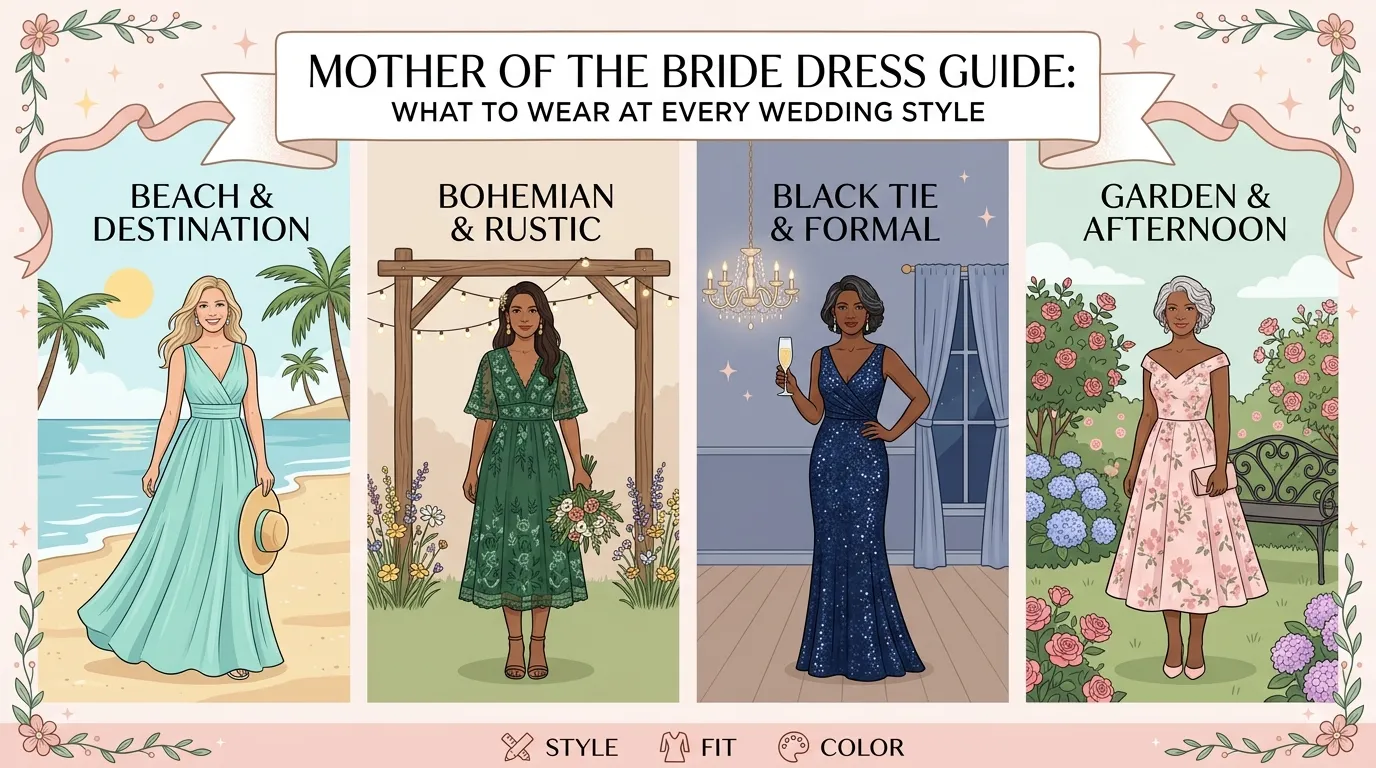
Black-tie events call for floor-length gowns or very formal midi-length dresses in luxurious fabrics. Cocktail attire allows more flexibility — a refined midi or tea-length dress is perfectly appropriate. For galas and charity events, there's room to be bolder with embellishments and silhouettes.
When choosing a gown for any formal occasion, browsing a curated selection of evening dresses for women with varied silhouettes makes it easier to identify the style that suits both the event and your personal aesthetic — without wading through options that don't apply.
Accessories and Styling That Complete the Look
The gown may be the centerpiece of a formal outfit, but styling choices determine whether the overall look feels polished or unfinished. The current approach to eveningwear accessories leans toward balance rather than excess. If a dress features embellishment, intricate beading, or dramatic structural details, understated jewelry often creates the strongest result. Conversely, minimalist gowns provide an opportunity to incorporate statement earrings, sculptural cuffs, or eye-catching evening bags.
Footwear should complement both the silhouette and practicality of the event. Floor-length gowns conceal much of the shoe, allowing comfort to take priority, while midi-length styles place greater emphasis on the choice of heel. Metallic finishes, satin pumps, and elegant strappy sandals remain versatile options that pair well with most formal color palettes.
Hair and makeup trends are similarly moving toward refinement over extravagance. Sleek updos, soft waves, and natural-looking makeup with a focus on glowing skin continue to dominate formal events. The goal is to enhance the overall presentation rather than compete with the dress itself. When every element works together—from accessories to grooming—the final result feels intentional, sophisticated, and appropriate for the occasion.
Conclusion
Even the most beautiful gown loses its impact if the fit is off. For formal occasions, it's worth budgeting for alterations. A hemline that's precisely right, a bodice that skims without pulling, or a back that's taken in by half an inch can transform a great dress into the exact dress.
When ordering online, prioritize brands that provide detailed size charts with actual garment measurements rather than generic small/medium/large sizing. Try the dress at least a week before the event so there's time to address any fit issues.


















Sign in to leave a comment.