
Introduction
The wedding day belongs to the couple but the mother of the bride has her own spotlight moment too. From the moment guests arrive to the last dance of the reception, all eyes will find their way to you at some point. The photographs will last a lifetime. And the way you feel in your outfit will shape how you experience every single minute of that day.
That is a lot of pressure to put on one dress.
Here is the good news: finding the right mother of the bride dress does not have to be stressful or confusing. Once you understand the key factors wedding style, venue, season, color coordination with the wedding party, and your own body type and comfort preferences the decision becomes much clearer and far more enjoyable.
This guide covers everything you need to know. We will walk through what to wear at every major wedding style, from casual outdoor ceremonies to formal black-tie receptions. We will cover mother of the bride gowns, cocktail lengths, plus size mother of the bride dresses, grandmother of the bride dresses, and how to coordinate beautifully with the bridal party without overshadowing the bride.
We will also tackle the practical side fabric choices, shopping timelines, alteration planning, and common mistakes that even well-intentioned mothers make when shopping for this important outfit.
By the end of this guide, you will know exactly what to look for, what to avoid, and how to walk into that wedding feeling polished, proud, and completely yourself.
Why the Mother of the Bride Dress Decision Matters So Much
Before getting into specifics, it helps to understand why this choice carries more weight than a typical special occasion outfit.
You will be in nearly every important photograph. The family portraits, the ceremony processional, the first look reactions, the reception dancing you are in them all. Your outfit needs to photograph beautifully across different lighting conditions and backgrounds.
Your look sets a tone for the family. Guests pay attention to how the immediate family is dressed. A polished, coordinated family group elevates the entire visual experience of the wedding.
Comfort affects your presence. A dress that is too tight, too warm, too short, or too difficult to move in will distract you from fully enjoying the day. Comfort is not a secondary consideration it is essential.
It is a once-in-a-lifetime moment. Most mothers want to look back at those photos and feel genuinely proud of how they presented themselves. That feeling is worth taking the time to get the dress right.
The First Step: Understand the Wedding Style and Dress Code
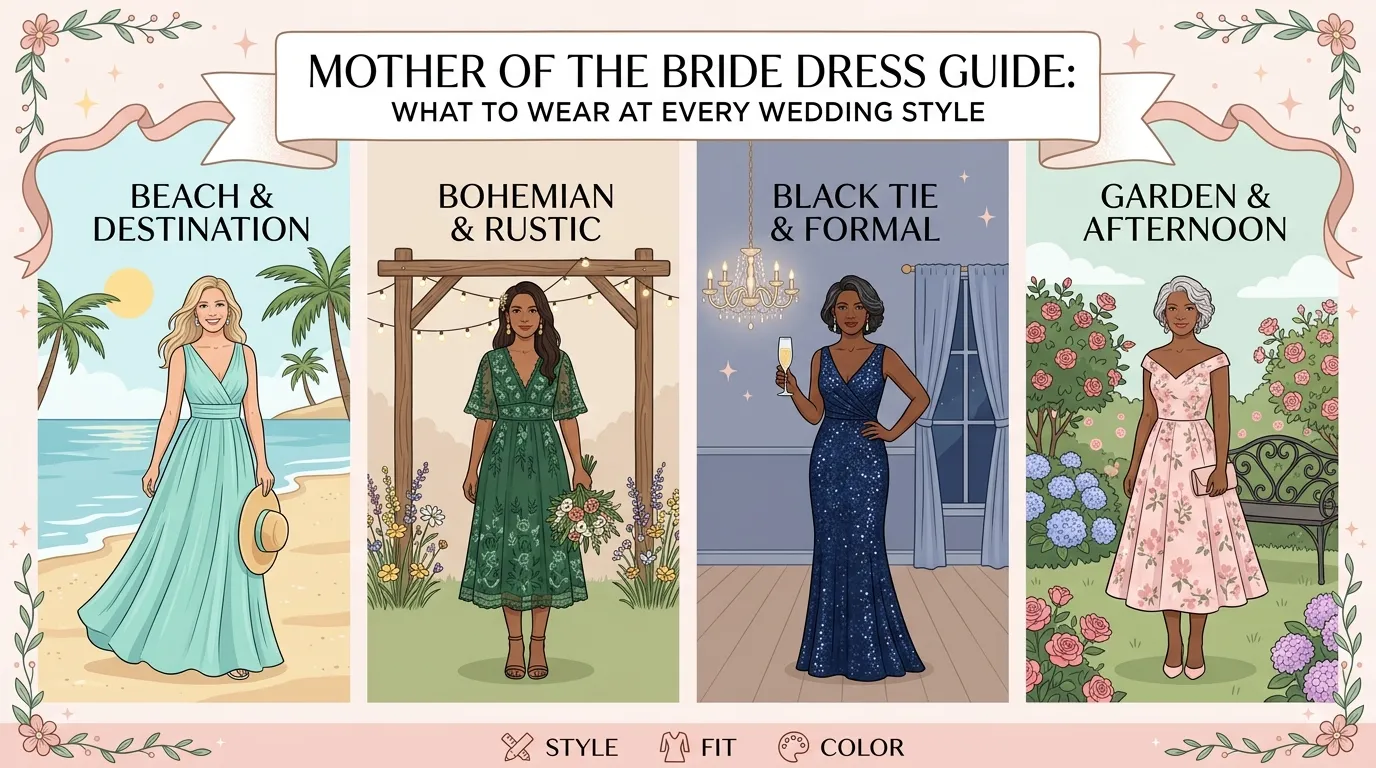
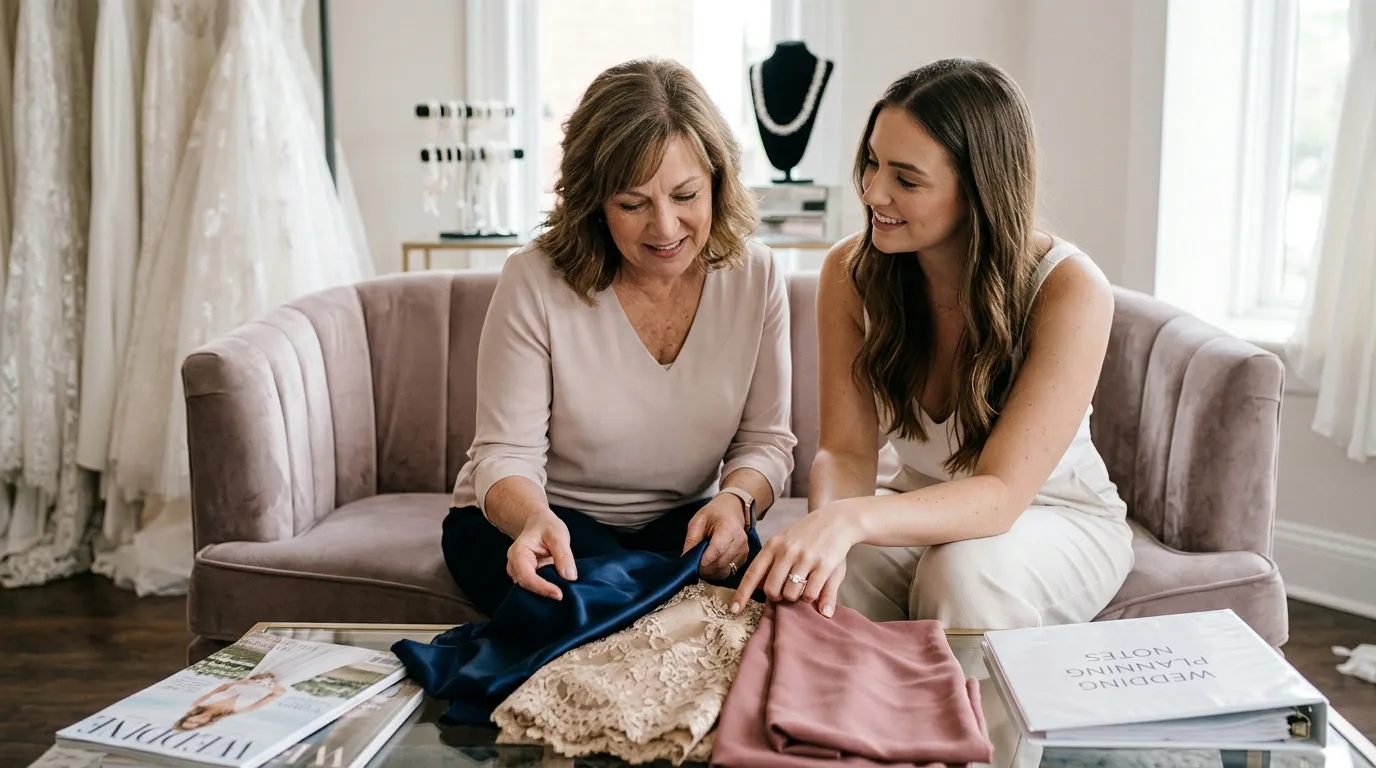
The single most important factor in choosing mother of the bride outfits is matching the formality level of the wedding. Wearing a floor-length ball gown to a casual beach ceremony is just as out of place as wearing a sundress to a black-tie reception.
Here is a clear breakdown of the most common wedding styles and what each calls for.
Black-Tie and Formal Weddings
Black-tie is the most formal wedding dress code. It typically means evening events, grand venues ball rooms, luxury hotels, historic estates and a guest list that arrives dressed to impress.
What to wear:
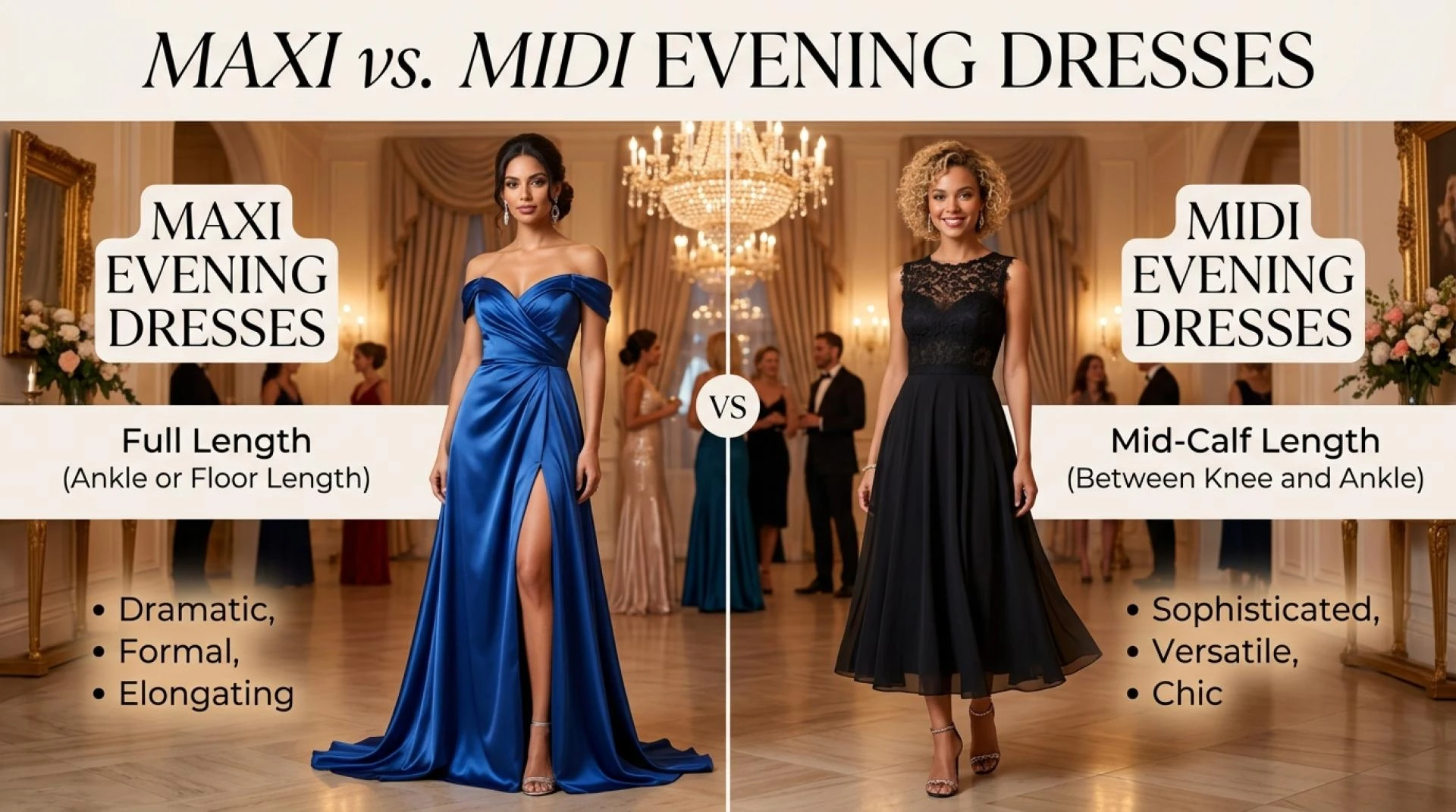
For black-tie weddings, mother of the bride gowns in floor-length silhouettes are the appropriate choice. Look for elegant fabrics like chiffon, satin, silk, crepe, or lace. Embellishment is welcome beading, sequins, and intricate lace details all work beautifully at this formality level.
Avoid anything too casual, too short, or too understated. Black-tie is not the occasion for a simple knee-length dress, no matter how elegant it may be in other contexts.
Colors to consider: Navy, deep emerald, champagne, dusty rose, rich burgundy, and classic black all photograph beautifully in grand formal settings. Coordinate with the wedding color palette but do not match the bridesmaids exactly.
Fabric suggestions: Silk charmeuse, duchess satin, beaded chiffon, embroidered lace, or velvet for autumn and winter events.
Semi-Formal and Cocktail Weddings
Semi-formal weddings are the most common wedding style today. They typically take place in the late afternoon or early evening at venues like upscale restaurants, boutique hotels, country clubs, or elegant event spaces.
What to wear:
This is where you have the most flexibility. Floor-length mother of the bride gowns are appropriate but not required. A sophisticated knee-length or midi-length dress works equally well. Focus on polished fabrics, clean lines, and refined styling rather than strict length rules.
Colors to consider: Almost any color works here floral prints, solid jewel tones, soft pastels, or classic neutrals. Just avoid wearing white, ivory, or any color so close to the bride's dress that it creates confusion in photos.
Fabric suggestions: Chiffon, lace, crepe, ponte, or lightweight satin all work well for semi-formal events.
Garden and Outdoor Weddings
Garden ceremonies and outdoor receptions bring their own set of practical considerations alongside the aesthetic ones. Terrain, weather, and lighting all affect what works best.
What to wear:
Flowy, feminine silhouettes suit garden settings beautifully. A-line dresses, chiffon gowns, lace midi dresses, or elegant wrap styles all feel natural and appropriate outdoors. Avoid very heavy fabrics that trap heat, overly structured silhouettes that feel stiff against a natural backdrop, and extremely long trains that drag on grass or gravel.
Practical considerations: Choose block heels or wedges rather than stilettos if the event is on grass. Consider the weather a chiffon wrap or elegant jacket is a smart addition for evening outdoor events.
Colors to consider: Soft florals, sage green, blush, lavender, warm taupe, and dusty blue all feel perfectly suited to garden settings.
Beach and Destination Weddings
Beach and destination weddings call for a lighter, more relaxed approach but relaxed does not mean sloppy. The goal is elegant simplicity that suits the setting without looking overdressed or underdressed.
What to wear:
Lightweight, breathable fabrics are essential. Chiffon, georgette, and light linen blends all work well. Maxi dresses and flowing A-line silhouettes are ideal. Avoid heavy fabrics, overly structured styles, extremely high heels that sink into sand, and anything too dark that will absorb heat uncomfortably.
Colors to consider: Soft aqua, coral, blush, warm white, sea foam, champagne, and soft yellow all feel natural and beautiful in beach settings.
Practical note: Beach humidity and wind are real factors. Avoid extremely delicate fabrics that wrinkle instantly or styles that require constant adjustment in the breeze.
Rustic and Barn Weddings
Rustic weddings have grown enormously in popularity and have their own distinct aesthetic warm, organic, relaxed but still polished.
What to wear:
Flowing bohemian silhouettes, lace details, chiffon layers, and warm earthy tones all feel perfectly at home in a rustic setting. A midi-length lace dress or a soft chiffon gown in a warm neutral reads beautifully in barn venue photography.
Colors to consider: Warm taupe, terracotta, dusty rose, sage, warm burgundy, cream, and warm brown all photograph gorgeously against wood, string lights, and natural greenery.
Religious and Traditional Ceremonies
Religious venues churches, cathedrals, synagogues, temples often have their own expectations around modesty and formality.
What to wear:
Coverage matters here. Choose dresses with modest necklines, covered shoulders or elegant sleeves, and appropriate hemlines. A floor-length gown with a lace jacket or an elegant long-sleeved dress are both wonderful choices that honor the setting without sacrificing style.
Practical note: Many religious venues are not air-conditioned, particularly older buildings. Consider lightweight fabrics even for covered styles.
Choosing the Right Silhouette for Your Body Type
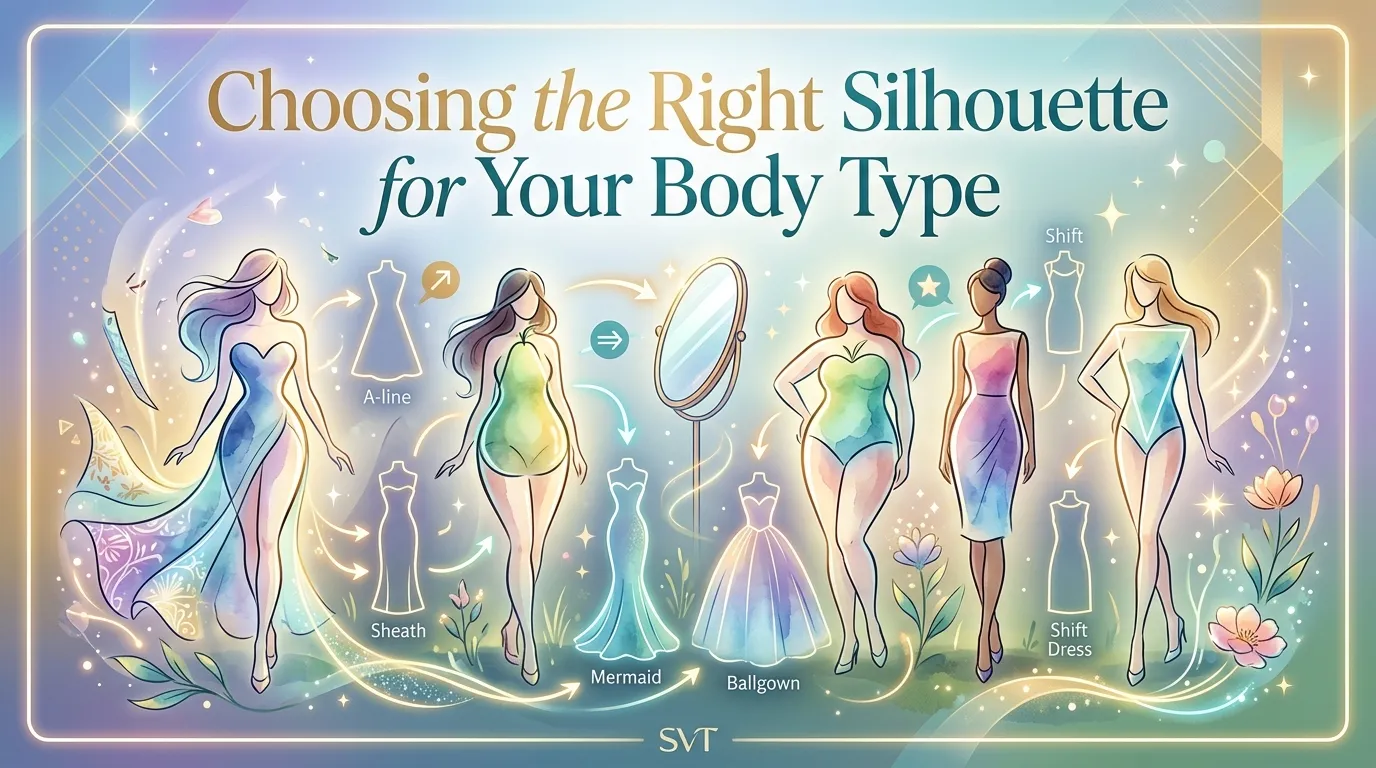
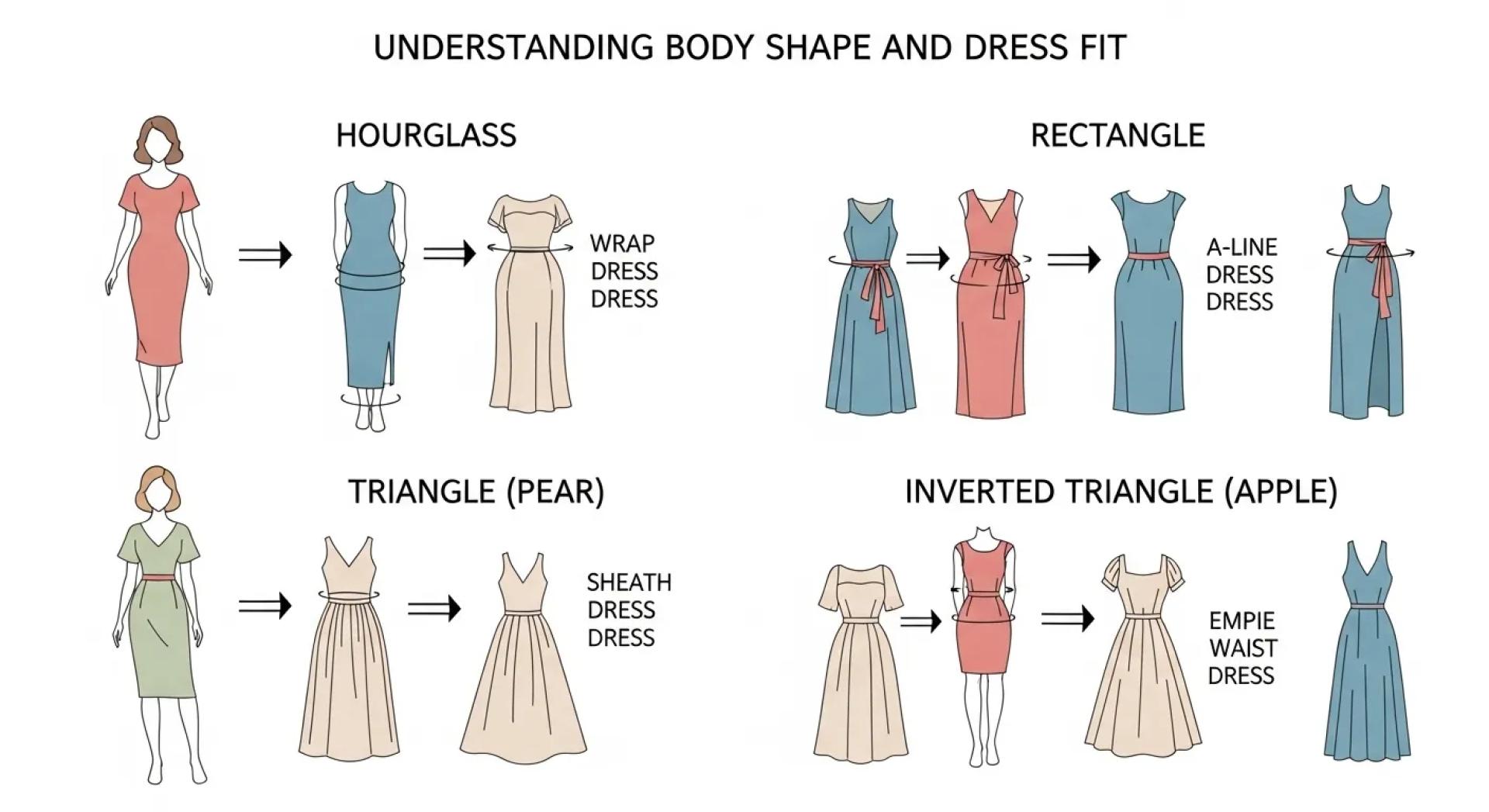
Understanding which silhouettes work best for your figure makes shopping significantly easier whether you are browsing online or visiting mother of the bride dresses near me at a local boutique.
A-Line Silhouette
Fitted through the bodice and gradually widens toward the hem. This is one of the most universally flattering silhouettes available because it works for virtually every body type. It skims over the hips naturally, creates a long, elegant line, and is comfortable to wear for an extended event.
Empire Waist
The waistline sits just below the bust, with fabric flowing loosely from that point. This is an excellent choice for those who want to minimize the midsection or prefer a relaxed, non-fitted style. Works particularly well for outdoor and garden weddings.
Fit and Flare
Fitted through the bodice and hips, then flares out at the thigh or knee. Creates an hourglass appearance and works beautifully for those who want a more defined silhouette. Comfortable enough for dancing and moving throughout a long event.
Column and Sheath
Straight and fitted from shoulder to hem. Best suited for slender or athletic figures. Creates a sleek, sophisticated look that photographs beautifully in formal settings.
Wrap Style
Adjustable, figure-friendly, and forgiving. The wrap silhouette works across a wide range of body types and can be cinched to create a flattering waist definition. Available in both short and long lengths.
Plus Size Mother of the Bride Dresses: Finding the Perfect Fit
Shopping for plus size mother of the bride dresses deserves specific attention because fit and proportion matter differently across different body types and the right dress makes an enormous visual and emotional difference.
The good news is that the plus size formal wear market has expanded significantly. Beautiful, well-constructed options are widely available both online and in stores.
What to Look For
Defined waistlines. Dresses that create or suggest a waist through ruching, wrap styling, empire cuts, or subtle seaming are generally more flattering than completely straight silhouettes.
Supportive structure. Look for built-in boning or lining in the bodice, particularly for strapless or sweetheart neckline styles. Good internal structure means the dress holds its shape without requiring constant adjustment.
Strategic ruching. Gathered fabric along the midsection can create a beautifully smooth appearance while adding elegant visual interest.
Appropriate necklines. V-necklines and sweetheart necklines are particularly flattering for fuller figures because they draw the eye upward and create an elongating effect.
Fabric with gentle drape. Chiffon, crepe, and matte jersey all drape smoothly over curves without adding bulk. Avoid very stiff fabrics that hold their shape away from the body rather than following its natural lines.
When shopping online for plus size mother of the bride styles, always use your exact measurements against the brand's specific size chart plus size formal wear sizing varies significantly between manufacturers.

Grandmother of the Bride Dresses: Elegant Comfort for a Special Role
The grandmother of the bride deserves just as much attention and thoughtfulness in her outfit choice as the mother of the bride. The priorities here shift slightly comfort, ease of movement, and appropriate modesty become even more important alongside elegance.
Key Considerations
Comfortable fit above everything. A dress that is slightly looser in fit is far preferable to one that restricts movement, makes sitting uncomfortable, or requires constant adjustment throughout the day.
Covered shoulders and arms. Most grandmothers prefer to have their arms and shoulders covered. Look for styles with three-quarter sleeves, full-length sleeves, lace overlays, or include an elegant jacket or shawl.
Practical heel height. Choose a heel height that is genuinely comfortable for extended standing and walking. A low block heel or a polished flat is always more appropriate than attempting a height that feels uncomfortable.
Easy closures. Dresses with back zippers that have large pulls or styles that step into easily are far more practical than complicated closures or overhead styles that require assistance.
Coordinating with the family group. The grandmother's dress does not need to match exactly, but staying within the same color family and formality level as the mother of the bride creates a cohesive, polished family look in photographs.
Mother of the Groom Dresses: Coordination Without Competition
If you are the mother of the groom rather than the bride, the same style principles apply but there is an additional layer of coordination to consider.
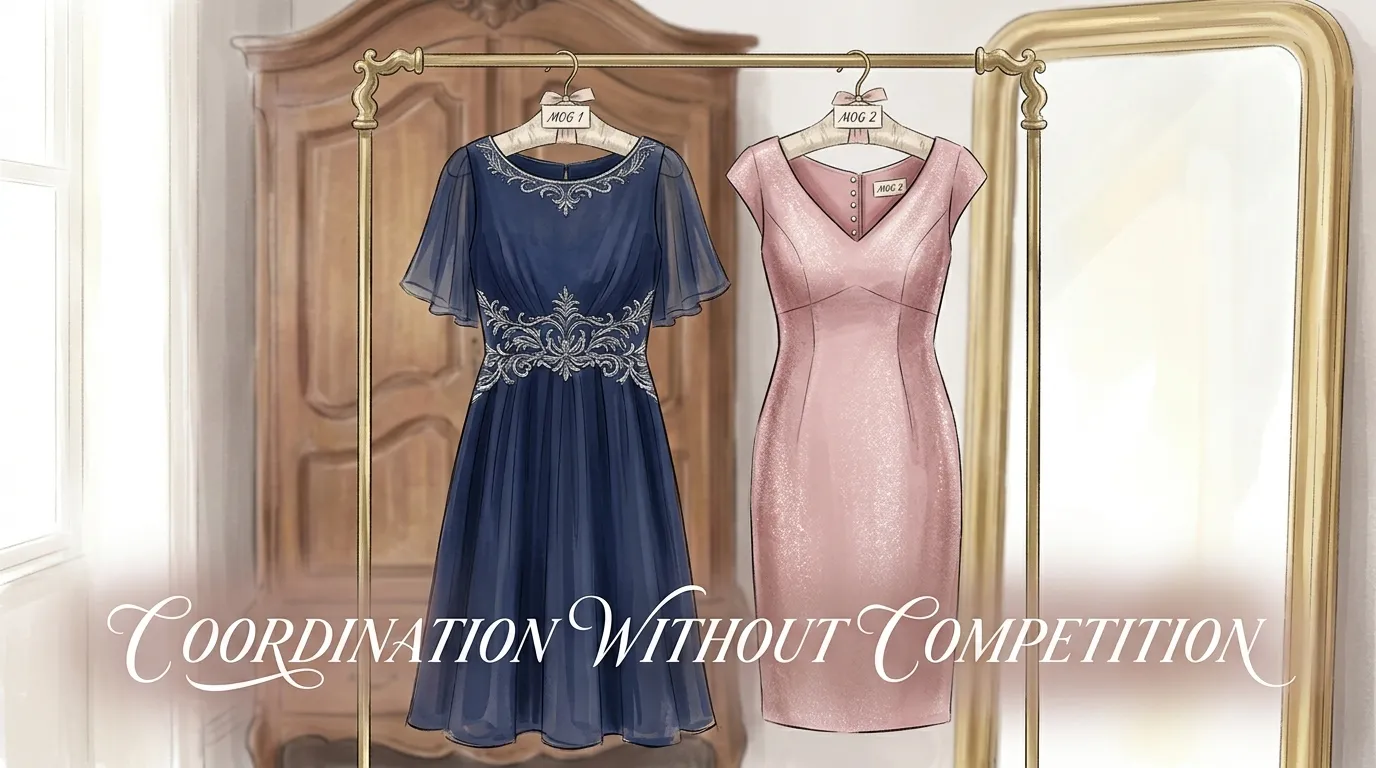
Traditionally, the mother of the bride chooses her dress first, and the mother of the groom dress is selected to complement rather than clash with it. If possible, communicate with the mother of the bride about color family and formality level before finalizing your choice.
General Guidelines for Mother of the Groom
- Stay within the same formality level as the mother of the bride
- Choose a color that harmonizes with but does not identically match her dress
- Avoid white, ivory, or any color that could be mistaken for bridal
- Coordinate with the groomsmen's colors if possible a subtle nod to the groom's side of the wedding party
- The same silhouette and fabric rules apply as for mother of the bride styles
The goal is a family group that looks intentionally coordinated and polished without anyone's outfit competing for the wrong kind of attention.
Color Coordination: What Works and What to Avoid
Color is one of the most visible and photographed aspects of your outfit. Getting it right requires a balance between your personal preferences, the wedding color palette, and a few important rules.
Colors That Almost Always Work
- Navy Classic, elegant, and flattering across virtually all skin tones and wedding styles
- Champagne and gold Warm and celebratory without competing with bridal white
- Dusty rose and blush Feminine and timeless, works beautifully in photographs
- Sage and soft green Increasingly popular and particularly beautiful in outdoor settings
- Burgundy and deep plum Rich and sophisticated for autumn and winter weddings
- Soft blue Fresh and elegant for spring and summer events
Colors to Avoid
- White, ivory, cream, or champagne so pale it reads as white This is the one universal rule. The bride wears white. No one else should be close to it.
- Exact match to bridesmaids' dresses You want to complement the wedding party, not blend into it
- Neon or very bold patterns These tend to dominate photographs and draw attention away from the couple
- Black at very casual or daytime weddings While black is appropriate for formal and semi-formal events, it can feel heavy at casual daytime ceremonies
Shopping Timeline: When to Start Looking
Timing matters significantly when shopping for mother of the bride dresses. Rush decisions lead to compromise. Here is a realistic timeline:
9 to 12 months before the wedding: Ideal time to start browsing styles and getting a sense of what you love. No pressure to buy yet just research.
6 to 9 months before: Begin seriously shopping. Try styles in store if possible, or order from retailers with clear return policies. This window gives you plenty of time for ordering, shipping, and alterations.
4 to 6 months before: Your dress should be ordered or purchased by this point. Begin scheduling alteration appointments.
2 to 3 months before: Alterations should be complete or nearly complete. Do a full dress rehearsal hair, makeup, shoes, and all accessories together.
1 month before: Everything should be finalized. No last-minute changes.
The most common mistake mothers make is starting too late and then feeling forced to accept a dress that is not quite right because time has run out.
Practical Tips for Shopping Online
Online shopping for formal wear is completely viable when approached correctly. Here is how to do it well:
- Take your measurements in inches and centimeters some international retailers use metric sizing
- Read the full product description fabric content, lining details, closure type, and care instructions all matter
- Study the customer review photos these show how the dress looks on real bodies in real lighting, which is far more informative than studio images
- Check the return policy carefully before ordering some formal wear is final sale
- Order early enough to receive the dress, assess the fit, and return or exchange if needed before your event
- Contact customer service if you are between sizes good retailers will help you make the right choice
Browsing a wide, well-organized collection of mother of the bride dresses from a trusted formal wear specialist gives you access to styles across every price point, size range, and wedding style all in one place.
Common Mistakes to Avoid
Even the most thoughtful shoppers make avoidable errors. Here are the ones that come up most often:
Starting the search too late. Alterations take time. Shipping takes time. Finding the right dress takes time. Start at least six months out nine months is even better.
Choosing comfort over style or style over comfort. The ideal dress achieves both. Do not sacrifice one entirely for the other a dress you cannot move in will make for a long, uncomfortable day regardless of how beautiful it looks.
Not accounting for the full day. Think about the entire event ceremony, cocktail hour, dinner, dancing. Your dress needs to work through all of it, not just the first hour.
Ignoring alteration costs in the budget. Always factor in the cost of alterations when setting your budget. A dress purchased at a lower price point that requires significant alterations may end up costing as much as a slightly more expensive dress that fits well off the rack.
Choosing a dress the bride dislikes. While this is your outfit and your choice, the bride's preferences deserve consideration particularly around color and formality level. A quick conversation early in the planning process prevents uncomfortable situations later.
FAQ Section
Q1: When should the mother of the bride start shopping for her dress?
Ideally, start seriously shopping six to nine months before the wedding. This gives you enough time to explore styles, order your dress, receive it with time to spare, and complete any alterations without rushing. Starting nine to twelve months out for destination or custom options is even better.
Q2: Should the mother of the bride dress match the bridesmaids?
Not exactly. The mother of the bride should coordinate with but not identically match the bridesmaids. Stay within the same color family and formality level to create a cohesive look in photographs, but choose a style that is distinctly your own rather than a copy of the bridesmaid dresses.
Q3: What colors should the mother of the bride avoid?
Always avoid white, ivory, cream, or any shade so pale it could be mistaken for bridal. Also avoid exact matches to the bridesmaids' dress color, which can make you blend into the wedding party rather than standing apart as a family member of honor.
Q4: Are floor-length gowns required for mother of the bride?
No. Floor-length gowns are appropriate for black-tie and very formal weddings, but cocktail length, midi length, and tea length dresses are all perfectly acceptable for semi-formal, garden, beach, and casual wedding styles. Match your dress length to the formality of the event rather than a strict rule.
Q5: What are the best plus size mother of the bride dress styles?
A-line silhouettes, empire waist styles, wrap dresses, and fit-and-flare options tend to be the most flattering for plus size figures. Look for defined waistlines, strategic ruching, V-necklines or sweetheart necklines, and fabrics with gentle drape like chiffon, crepe, or matte jersey. Always size based on measurements rather than standard sizing.
Q6: How is the mother of the groom dress different from the mother of the bride dress?
The style principles are identical formality, silhouette, fabric, and color all follow the same guidelines. The main difference is coordination: the mother of the groom traditionally defers to the mother of the bride's color choice and formality level. Communicate early to ensure both looks complement each other without clashing.
Q7: What should grandmother of the bride wear to a wedding?
Grandmothers of the bride should prioritize comfort and coverage alongside elegance. Look for styles with three-quarter or full sleeves, comfortable heel heights, easy closures, and a formality level that matches the wedding style. Coordinating within the same color family as the mother of the bride creates a polished family look without requiring an exact match.
Q8: Can I wear black as mother of the bride?
Yes black is an entirely appropriate and elegant choice for formal and semi-formal weddings, particularly evening events. It photographs beautifully, is universally flattering, and reads as sophisticated and polished. Some traditionalists advise against black at very casual daytime weddings or highly religious ceremonies, but for most modern wedding styles, black is a perfectly acceptable and stylish choice.
Conclusion
The mother of the bride dress is not just an outfit it is a piece of one of the most important days of your family's life. Getting it right means understanding the wedding style, choosing a silhouette that works for your body, coordinating thoughtfully with the wedding party, and giving yourself enough time to shop without pressure.
Whether you are drawn to classic mother of the bride gowns in elegant chiffon, a modern cocktail style for a garden reception, a beautifully fitted plus size mother of the bride dress that makes you feel incredible, or a comfortable and polished look for the grandmother of the bride the perfect option exists, and finding it is much easier when you know exactly what you are looking for.
Start early, measure carefully, shop from trusted retailers with good return policies, and always keep comfort and confidence at the center of your decision.
For a beautiful, extensive collection of styles across every size and wedding type, visit FormalDressShops.























Sign in to leave a comment.