

Events, whether large or small, require strategic security measures to ensure the safety of attendees, staff, and property. From music festivals and sporting events to corporate gatherings and private parties, effective event security is essential to prevent incidents, manage crowds, and respond swiftly to emergencies.
Melbourne, known for hosting major concerts, sports matches, exhibitions, and cultural events, relies heavily on professional event security teams to maintain order. In this guide, we will explore the importance of event security, key security measures, responsibilities of security personnel, and how to hire the best event security services.
Why is Event Security Important?
Event security goes beyond just having security guards at entry points. It involves risk assessment, access control, emergency planning, and crowd management to ensure a smooth and safe experience for everyone involved.
1. Prevents Security Threats & Criminal Activity
Events are potential targets for theft, vandalism, terrorism, and disruptive behavior. A well-structured security plan helps deter criminal activities and ensures swift intervention in case of an incident.
2. Ensures Crowd Control & Public Safety
Large crowds can become unruly, disorganized, or even dangerous. Security personnel help manage entrances, direct foot traffic, and prevent overcrowding, reducing risks of stampedes and conflicts.
3. Protects VIPs & Special Guests
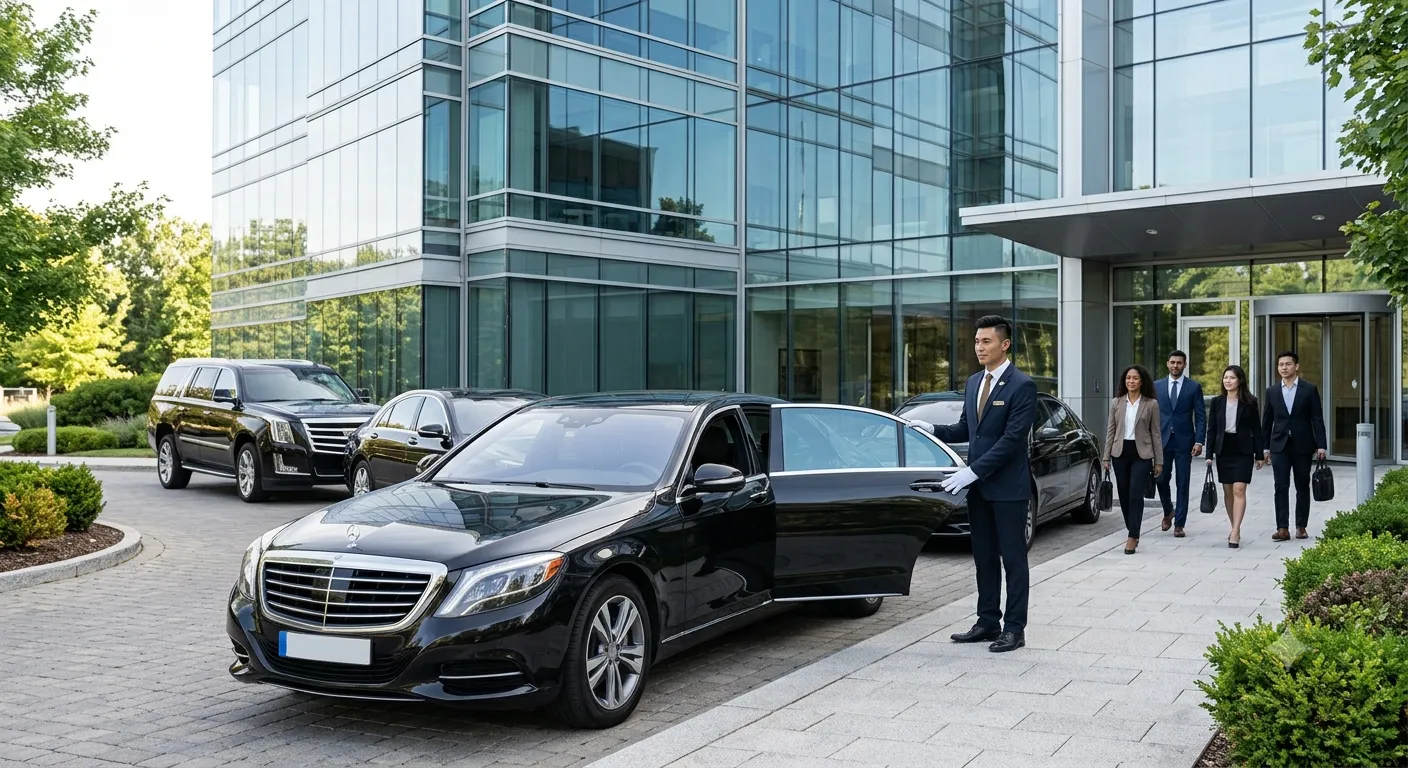
High-profile attendees, including celebrities, politicians, and business leaders, require additional security to protect them from potential threats like harassment, stalking, or attacks.
4. Emergency Response & Crisis Management
Events must have a plan for medical emergencies, fires, natural disasters, or security breaches. Trained security teams coordinate evacuations, provide first aid, and contact emergency services when needed.
5. Enforces Rules & Regulations
Event security enforces venue policies, such as prohibiting alcohol in restricted areas, preventing unauthorized access, and ensuring attendees follow the rules for a safe experience.
Key Event Security Measures
Each event has unique security challenges, requiring a tailored security strategy. Here are the fundamental security measures that must be in place:
1. Risk Assessment & Planning
Before the event, security professionals conduct risk assessments to identify potential threats and develop a security strategy based on:
- The event type (concert, festival, corporate, private party, etc.).
- The venue layout and number of entry/exit points.
- The expected number of attendees.
- The presence of VIPs or high-risk individuals.
- Potential security threats, such as protests, terrorism, or criminal activity.
A detailed security plan ensures that all risks are addressed before the event begins.
2. Access Control & Ticket Verification
To prevent unauthorized entry, security teams monitor entrances, check tickets, and verify guest lists. Bag checks and metal detectors may be used to ensure attendees are not carrying prohibited items like weapons or drugs.
3. Crowd Control & Flow Management
Managing large crowds is crucial to prevent overcrowding, pushing, or accidents. Security personnel use barricades, barriers, and designated walkways to guide people and ensure a steady, controlled movement of attendees.
4. Surveillance & Monitoring
Event security teams use:
- CCTV cameras to monitor the crowd and detect suspicious activities.
- Security personnel on patrol to keep an eye on key areas.
- Two-way radios for effective communication between security staff.
Surveillance helps detect and respond to incidents in real time.
5. Trained Response Teams
In case of an emergency, security teams must be prepared to act quickly.
- First aid and medical response teams provide immediate assistance for injuries or medical issues.
- Fire safety teams ensure quick action in case of a fire hazard.
- Evacuation procedures must be well-coordinated in case of an emergency.
6. Alcohol & Substance Control
For events where alcohol is served, security teams prevent overconsumption, underage drinking, and drug use. This ensures a safe and controlled environment for all attendees.
7. Protecting VIPs & Special Guests
VIP guests may require personal security escorts to ensure their safety from overzealous fans, paparazzi, or potential threats.
8. Handling Disruptions & Conflict Resolution
Security personnel are trained to de-escalate conflicts, whether it's a fight, an aggressive attendee, or an intoxicated individual. Their presence helps maintain order and prevents situations from escalating.
Types of Event Security Services
Event security services vary based on the type of event and its security requirements.
1. Concert & Festival Security
- Bag checks & metal detectors to prevent prohibited items.
- Crowd control & stage security to prevent rushing or stampedes.
- Emergency response teams for injuries or disturbances.
- Security at VIP sections for artists and special guests.
2. Corporate Event Security
- Access control for guests and staff.
- Monitoring of sensitive information & assets.
- Escort services for high-profile executives.
- Surveillance systems to prevent theft or data breaches.
3. Sporting Event Security
- Managing enthusiastic crowds & preventing fights.
- Ensuring smooth entry & exit of fans.
- Protecting players, officials, and VIPs.
4. Private Event Security
- Guest list verification to ensure only invited guests enter.
- Confidentiality and privacy protection.
- Discreet but effective security presence.
5. Wedding & Party Security
- Ensuring a secure, relaxed environment.
- Preventing uninvited guests from entering.
- Handling intoxicated guests with professionalism.
How to Hire the Best Event Security Service in Melbourne
Hiring professional event security ensures the safety and success of your event. Here’s what to consider when selecting security personnel:
1. Experience & Reputation
Look for security firms with experience in handling similar types of events. Read customer reviews, testimonials, and past event case studies to evaluate their reputation.
2. Licensing & Accreditation
All security personnel in Melbourne must have a valid Security Guard License issued by Victoria Police. Ensure the security provider is fully licensed and insured.
3. Skilled & Trained Security Staff
Security guards should have crowd management training, first aid skills, and conflict resolution experience to handle different situations professionally.
4. Technology & Equipment
A good security service should use modern surveillance systems, metal detectors, and communication devices for efficient security management.
5. Tailored Security Plans
Every event is different. Choose a security provider that offers customized security solutions based on your event’s specific risks and requirements.
6. Professionalism & Communication Skills
Security personnel must be able to interact politely and professionally with attendees while maintaining authority.
Final Thoughts
asset protection services is essential for ensuring a safe, organized, and enjoyable experience for attendees, staff, and performers. Whether it’s a large music festival, a sports event, a corporate function, or a private party, hiring trained security professionals is key to crowd management, threat prevention, and emergency response.
If you’re planning an event in Melbourne, make sure to work with licensed and experienced security providers who can create a tailored security strategy to protect your guests and ensure a successful event.


























Sign in to leave a comment.