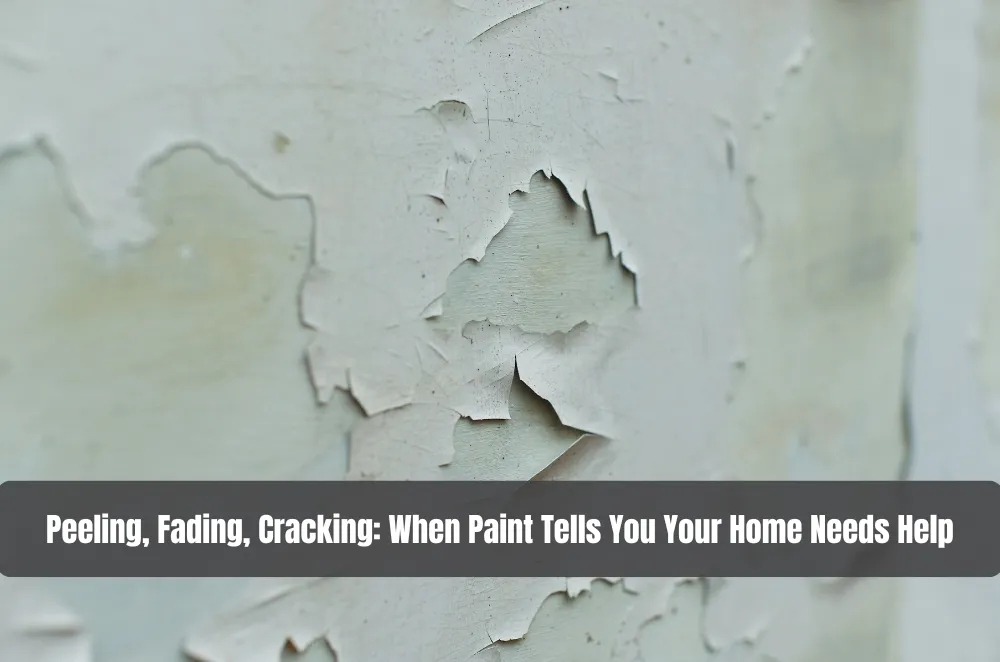

Sun-bleached colour or the odd blister on a weatherboard seems harmless. Yet the way paint breaks down can reveal moisture problems, UV damage, or movement in the substrate long before those issues show up elsewhere. Spotting the difference between normal ageing and early failure saves time, money, and headaches, especially in Sydney’s salt-laden air and see-sawing seasons.
How Sydney’s Climate Accelerates Paint Wear
Sydney swings from hot, muggy summers to brisk, wind-driven winters. High UV, salty coastal air, and sudden downpours force paint to expand, contract, and fight off salt crystals all year.
- Northern and eastern façades cop the hardest UV load, bleaching pigments faster.
- Sudden southerly changes push wind-driven rain into micro-cracks.
- Overnight condensation settles on cool surfaces, feeding mould and mildew under the coating.
If your weatherboards, eaves, or rendered walls already look tired, checking them now, before storm season, can stop small repairs from snowballing. A quick walk-around with a torch at dusk often shows cracks and chalking that daylight hides.
Early in that assessment, many owners jump online searching for skilled house painters in your area and book the first crew with a free weekend. Hold that call for a moment; understanding what failure looks like helps you write a tighter brief and avoid repeat work.
Reading the Fail-Pattern: Cosmetic, Concerning, or Critical?
Paint can fail quietly for years before whole sheets start to peel. Below is a cheat-sheet you can use during that twilight inspection.
| Visible Sign | Likely Cause in Sydney Homes | Next Step That Makes Sense |
| Fine, even chalky dust on fingers | UV oxidation of older acrylic | Low-pressure wash and repaint within 6–12 months |
| Hairline cracks in a grid pattern | Old oil enamel hardening underneath | Sand back; prime with bonding sealer before topcoats |
| Blisters that pop when pressed | Moisture trapped in timber or render | Track the leak, let substrate dry, then spot-prime |
| Large flakes exposing bare timber | Loss of adhesion, often previous coat skipped primer | Mechanical scraping, full prime, and new system |
| Mould spots re-appearing after bleach | Persistent moisture or poor ventilation | Fix ventilation; choose mould-resistant acrylic |
The table shows why the quick-fix “scrape and slap” approach so often fails: each pattern has a root cause that must be solved first.
When Fading Points to Bigger Building Issues
Paint is thin; timber movement and render cracks are not. Flaking under windows, for instance, may signal rotten sills. Likewise, vertical streaks on interior walls can track an unseen roof leak.
An eye-opening explainer on why Sydney weather beats up fresh paint illustrates how salt crystals and UV can get under the coating within a single season if prep is skipped. Understanding that chemistry helps you judge whether the quote in front of you covers proper surface conditioning or just a cursory wash.
Quick Field Tests You Can Do
- Press masking tape onto a flaky patch and rip it off. If large chips come with it, adhesion is shot.
- Mist a chalky wall with water. If the colour darkens unevenly, the surface is porous and needs sealing.
- Slide a business card into any crack. Wider than the card’s thickness? Movement may be structural.
None of these replace a professional survey, but they build a case for the level of prep your painter should include.
The Prep Investment Most Owners Skip
Surface preparation can chew up half the labour in a quality repaint and is the first casualty in a rush job. Yet it is also where long-life value is locked in. Proper prep typically covers:
- Detailed washdown, low-pressure, detergent-assisted, not the “blast-and-hope” gouge.
- Mechanical scraping and sanding to feather edges.
- Spot priming bare timber, galvanised metal, or patched render with dedicated primers.
- Gap sealing with flexible acrylic caulk that moves with the substrate.
Ask any crew how many prep days are budgeted, not just “number of coats”. Two thin, well-bonded coats usually outlast three thick, poorly-prepped ones.
Licencing, Compliance, and Why It Matters
NSW requires a contractor licence for residential painting jobs over $5,000. That licence isn’t mere red tape; it proves public liability cover, basic trade competency, and a path for dispute resolution. You can verify a licence instantly on the NSW Fair Trading register. If the name on the quote doesn’t match the register, keep shopping.
False Savings of the Unlicensed Cash Job
- Warranty noise: you’ll chase a disconnected number if peeling starts in 18 months.
- Insurance gaps: damage to your neighbour’s carport during spray work may sit on your policy.
- Safety shortcuts: lead paint management, scaffold tie-offs, and mask fit-testing often go missing.
Given the cost of scaffolding alone, saving a few hundred dollars upfront frequently backfires.
Paint That Actually Holds Up
Choosing premium exterior acrylic or specialised timber oil without fixing leaks is like waxing over rust. The simplest path to a finish that lasts is a short, structured plan:
- Inspect and document every failure sign, inside and out.
- Repair underlying moisture, movement, or ventilation issues first.
- Specify preparation steps clearly in your painter’s brief.
- Choose coatings rated for UV, salt spray, and mould resistance relevant to Sydney.
- Schedule a maintenance wash every two years, cheaper than full repaint cycles.
Once root causes are handled, colour selection becomes the fun part instead of damage control.
A solid coat isn’t just about looks; it’s a waterproofing layer, UV shield, and first line of defence against pests. Treat it with the same attention you’d give a roof replacement and the maths changes: longer intervals between repaints, fewer call-backs, and a healthier building envelope.
Sydney’s climate will always be hard on painted surfaces. The goal isn’t to fight the elements blindly but to work with them, matching prep, product, and painter skill to the micro-environment of every wall.
The next time a flake shows up on your verandah post, think of it as the house sending a postcard, not throwing a tantrum. Read the message properly and you’ll fix the cause, not just the symptom, and enjoy a finish that survives far more Sydney summers to come.





























Sign in to leave a comment.