
Every year, thousands of trekkers arrive in Nepal with the same dilemma: should I trek to Everest Base Camp or Annapurna Base Camp? Both journeys promise breathtaking Himalayan views, authentic mountain culture, and the adventure of a lifetime. Yet they offer remarkably different experiences in terms of difficulty, cost, scenery, and logistics. Choosing between them can feel overwhelming, especially if this is your first major trek.
This comprehensive comparison breaks down everything you need to know about Everest Base Camp (EBC) and Annapurna Base Camp (ABC) from altitude challenges and daily walking hours to budget considerations and cultural experiences. By the end, you'll have a clear understanding of which trek aligns with your fitness level, available time, and trekking dreams.
Everest Base Camp vs Annapurna Base Camp – Quick Comparison
Before diving into the details, here's a side-by-side snapshot of both treks:
Maximum Altitude: EBC reaches 5,364m at Kala Patthar (base camp itself is 5,364m), while ABC peaks at 4,130m, a significant difference that affects acclimatization needs.
Typical Duration: EBC typically requires 12-14 days on the trail, whereas ABC can be completed in 7-10 days, making it more accessible for those with limited time.
Region: EBC sits in the Khumbu region of eastern Nepal, famous for Sherpa culture and mountaineering history. ABC lies in the Annapurna Sanctuary in central Nepal, known for diverse landscapes and Gurung communities.
Difficulty Level: EBC is generally rated as challenging due to higher altitude and longer duration. ABC is moderate to challenging, more forgiving for reasonably fit beginners.
Average Budget: EBC tends to be more expensive, largely due to the Lukla flight (around $350-400 return). ABC is more budget-friendly with road access from Pokhara.
Main Highlights: EBC offers legendary views of Everest, Lhotse, Ama Dablam, and deep Sherpa Buddhist culture. ABC delivers a stunning 360-degree amphitheatre of peaks including Annapurna and Machhapuchhre, with incredible landscape variety from subtropical forests to alpine zones.
Understanding the Two Treks
What Is the Everest Base Camp Trek?
The Everest Base Camp trek takes you into the heart of the Khumbu region, home to the world's highest peak. Most trekkers fly from Kathmandu to Lukla, one of the world's most dramatic mountain airports, though some opt to start from Phaplu for better acclimatization. From Lukla, the trail winds through Sherpa villages like Namche Bazaar (the region's bustling hub), past the famous Tengboche Monastery with its stunning Everest views, through high-altitude settlements like Dingboche and Lobuche, and finally to Gorakshep, the last stop before base camp itself.
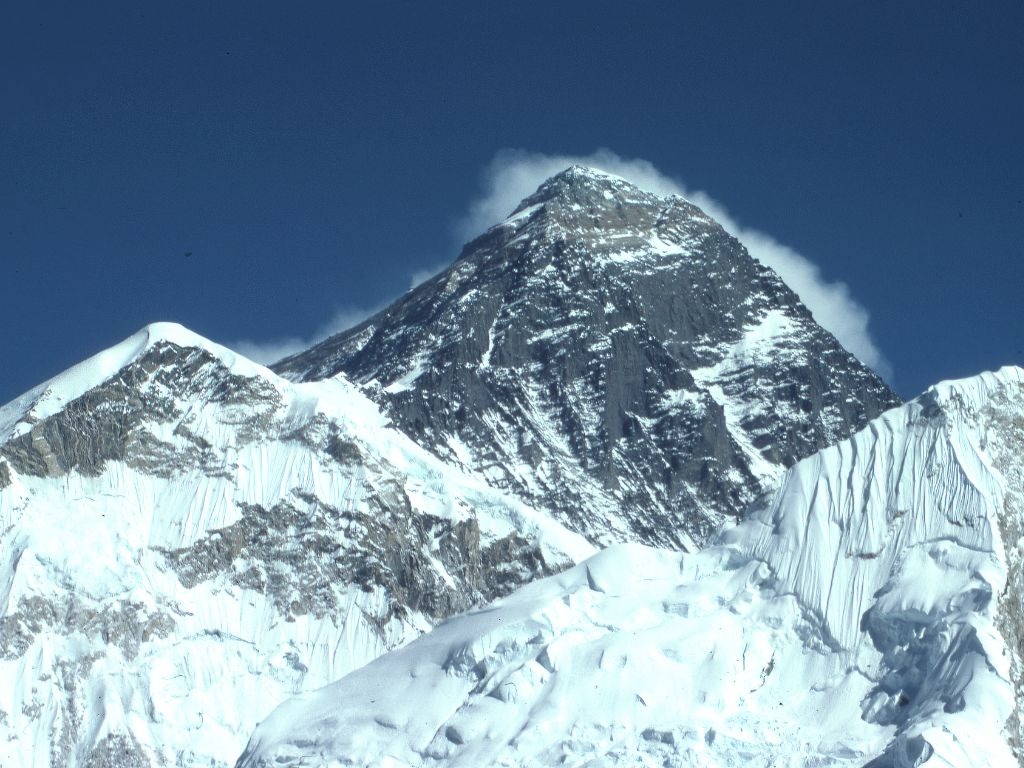
The trek's crown jewels include standing at Everest Base Camp where expeditions begin their summit attempts, and climbing Kala Patthar at dawn for arguably the best views of Everest's summit. Along the way, you'll encounter deeply rooted Sherpa Buddhist culture, colorful prayer flags fluttering in thin air, ancient monasteries, and the inspiring stories of mountaineering legends.
What Is the Annapurna Base Camp Trek?
Annapurna Base Camp, nestled in the Annapurna Sanctuary, offers a completely different trekking personality. Starting near the lakeside city of Pokhara, trekkers typically begin from roadheads like Nayapul or Ghandruk. The route ascends through terraced rice fields and rhododendron forests, passing through traditional Gurung villages like Chhomrong, before entering the dramatic gorge leading into the sanctuary.
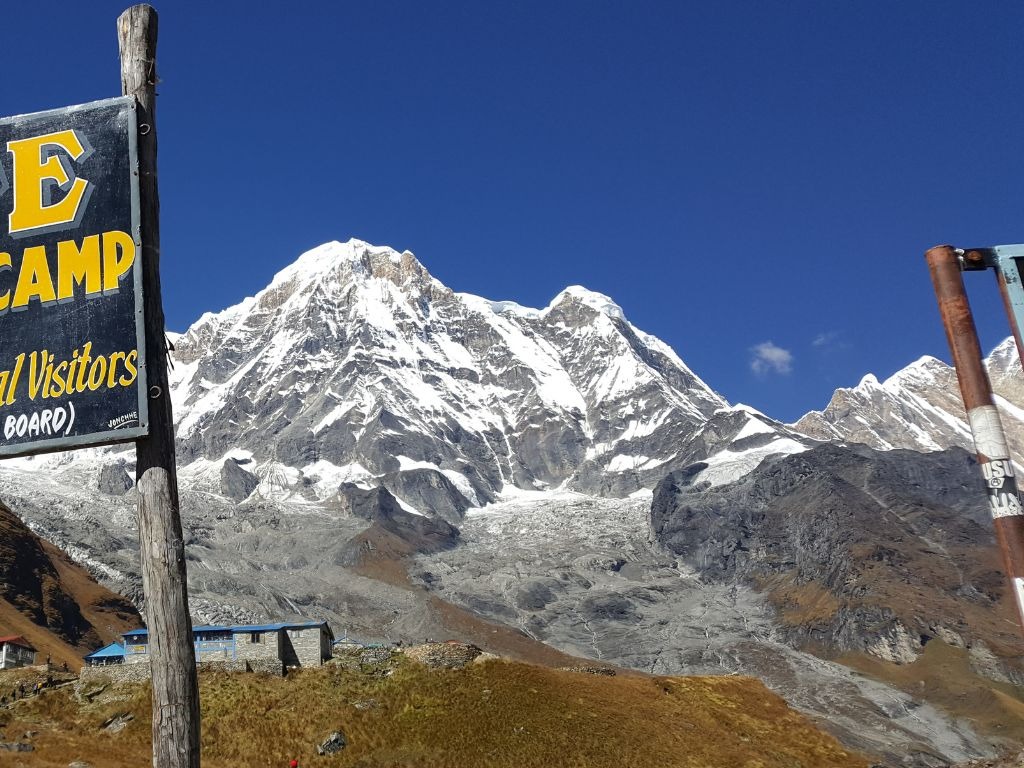
The trail climbs through Himalaya Hotel and Deurali, passing Machhapuchhre Base Camp before reaching Annapurna Base Camp itself. Here, you're surrounded by a breathtaking circular wall of peaks Annapurna I (8,091m), Annapurna South, Hiunchuli, and the sacred pyramid of Machhapuchhre (Fishtail Mountain). Many trekkers describe the feeling as standing inside a natural amphitheatre built by giants. Optional highlights include hot springs near Jhinu Danda and sunrise views from Poon Hill if you extend your itinerary.
Difficulty & Altitude – Which Trek Is Harder?
Maximum Altitude & Acclimatization
Altitude makes the single biggest difference between these treks. Everest Base Camp and Kala Patthar sit well above 5,300m, where oxygen levels are roughly half what you'd breathe at sea level. This demands careful acclimatization with rest days built into your itinerary, typically at Namche Bazaar and Dingboche. The risk of altitude sickness is real and should be taken seriously.
Annapurna Base Camp reaches 4,130m still significant, but considerably lower. While altitude sickness remains possible, the risk is reduced, and many trekkers with reasonable fitness handle it well with proper pacing. Most ABC itineraries include at least one acclimatization day, though some faster itineraries skip this (not recommended).
Daily Walking Hours & Terrain
On the Everest trek, expect to walk 5-7 hours most days, with some shorter and some longer stretches. The terrain is predominantly rocky and uneven, with countless stone steps, both up and down. The Namche hill is legendary for testing trekkers on day two, and the final push from Lobuche to Gorakshep and EBC can feel grueling in thin air.
Annapurna Base Camp involves similar daily walking hours (4-6 hours typically), but the terrain is more varied. You'll encounter steep stone staircases, particularly around Chhomrong, gradual forest trails, and the final alpine push into the sanctuary. The famous "Annapurna steps" thousands of stone stairs are challenging but broken up by flatter sections through forests.
Who Each Trek Suits Best
EBC is better suited for trekkers with solid base fitness and ideally some previous high-altitude or multi-day hiking experience. The combination of altitude, duration, and terrain demands both physical and mental preparation.
ABC is more forgiving for first-time Himalayan trekkers who are reasonably fit. If you can comfortably hike 4-6 hours with a daypack and have been doing some cardio training, ABC is achievable. That said, neither trek should be underestimated both require genuine physical effort.
Scenery & Landscape – Views You Can Expect
Everest Region Scenery
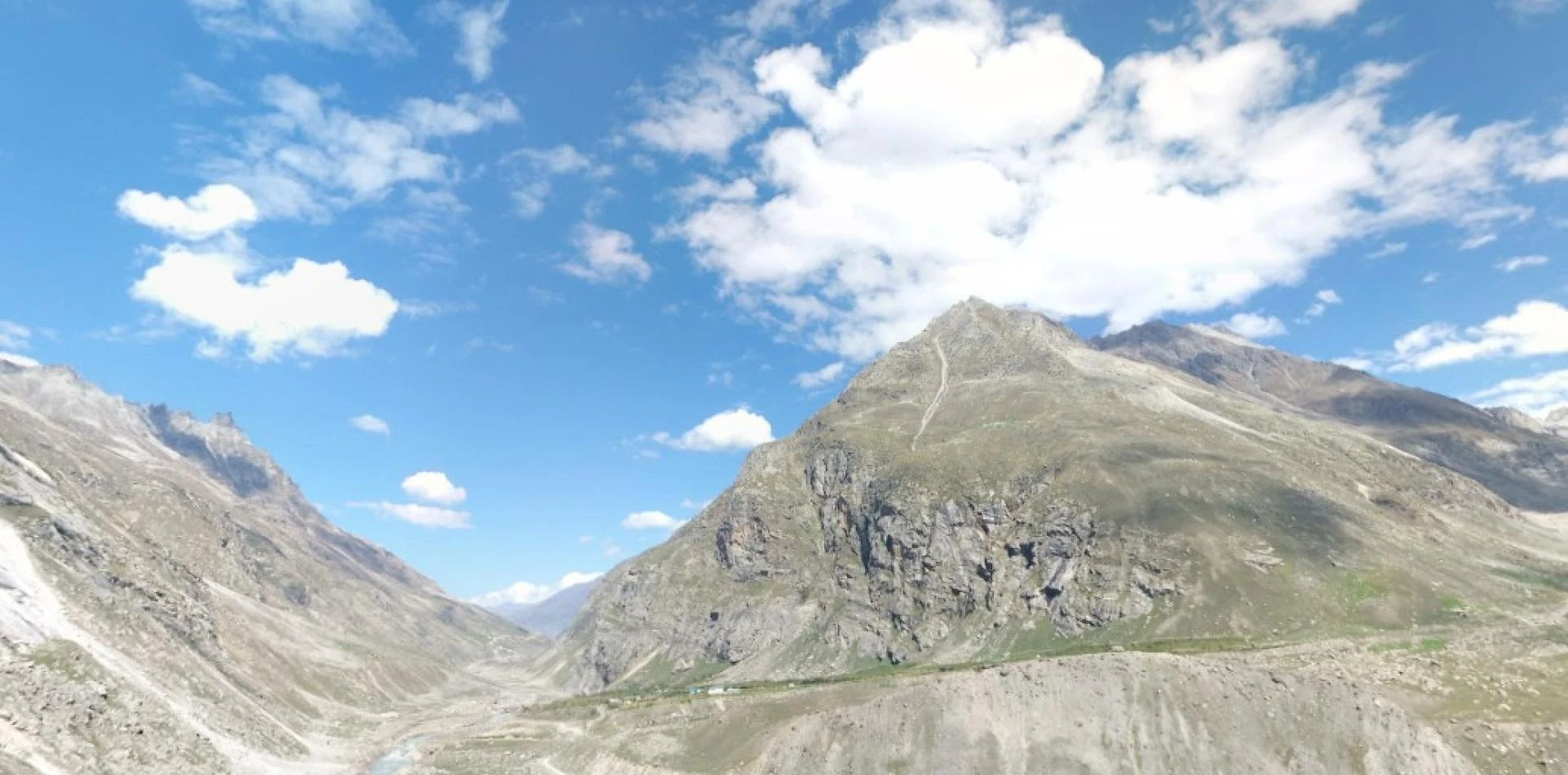
The Everest trek delivers exactly what the name promises: views of the world's most famous mountain, along with neighboring giants like Lhotse (fourth highest), Nuptse, and the elegant pyramid of Ama Dablam. The landscapes are starkly beautiful high alpine terrain, massive glaciers, wide valleys, and rocky moraines that feel otherworldly.
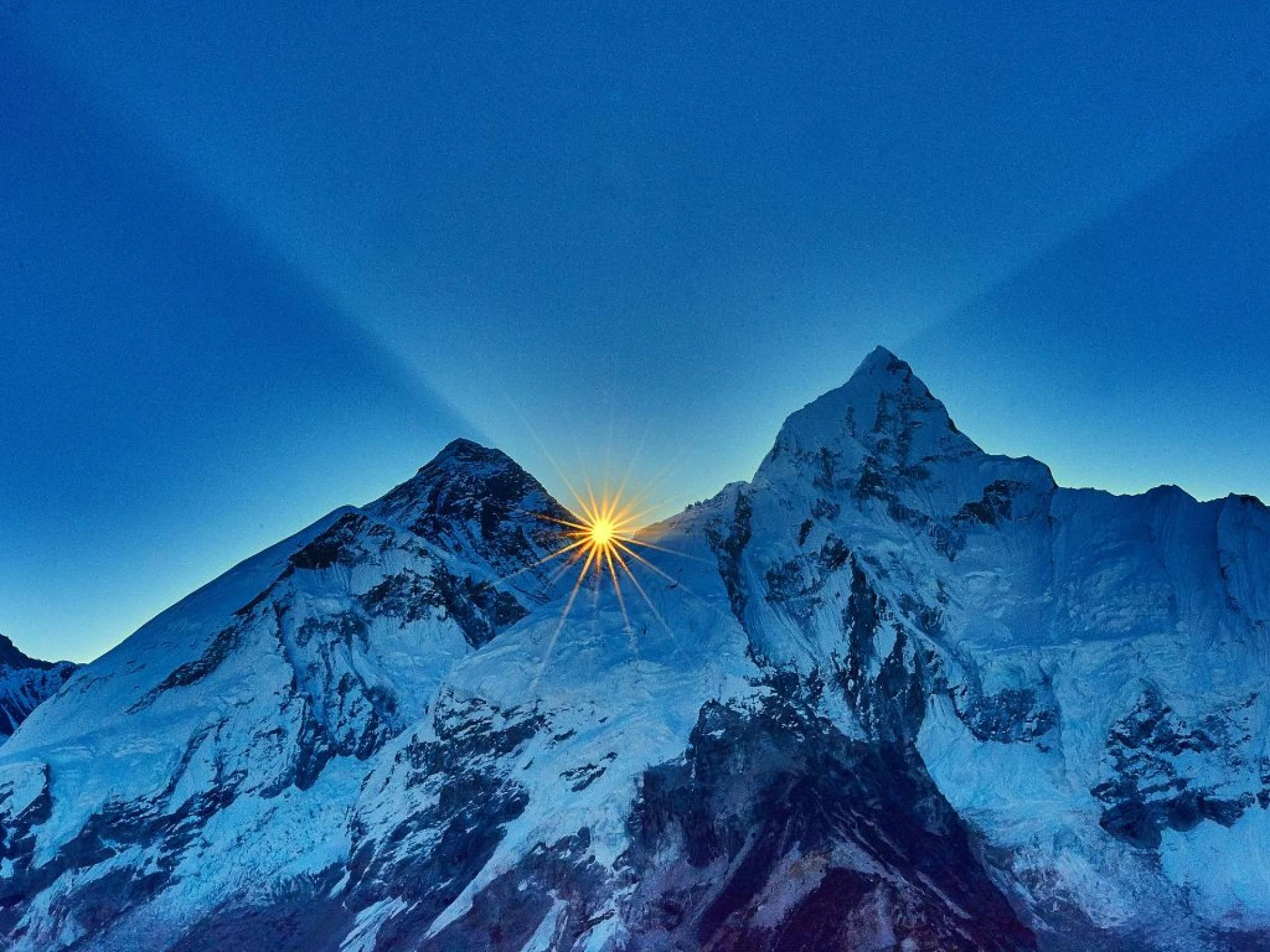
The sunrise view from Kala Patthar, with Everest glowing golden against a deep blue sky, is an image that stays with trekkers forever. There's something profoundly moving about standing in the same landscape where Hillary and Tenzing made history.
Annapurna Sanctuary Scenery
Annapurna Base Camp offers incredible variety that Everest simply can't match. You begin among subtropical vegetation, terraced fields where farmers tend crops, and traditional villages with slate-roofed houses. As you climb, you pass through mystical rhododendron forests (spectacular in spring bloom), cross suspension bridges over rushing rivers, and eventually enter the high alpine sanctuary.
The final destination; Annapurna Base Camp sits in a natural amphitheatre surrounded by towering peaks on all sides. The 360-degree mountain panorama feels more intimate than Everest, as if you're embraced by the mountains rather than gazing at them from a distance.
Which Trek Feels More Scenic Overall?
This comes down to personal preference. EBC offers legendary names and dramatic high-altitude landscapes that fulfill mountaineering dreams. The views are expansive and carry immense historical weight. ABC provides huge landscape variety and a more intimate relationship with the surrounding peaks. If you want diversity villages, forests, rivers, and then stunning alpine scenery Annapurna wins. If you want iconic, expedition-style Himalayan grandeur, Everest delivers.
Culture, Villages & Teahouse Experience
Culture on Everest Base Camp
The Everest Base Camp trek is deeply intertwined with Sherpa culture and Tibetan Buddhism. You'll visit monasteries like Tengboche, where monks conduct ceremonies with Everest as a backdrop. Prayer wheels, mani walls inscribed with mantras, and colorful prayer flags are everywhere. Namche Bazaar bustles with Sherpa traders, mountain guides, and expedition gear shops.
There's also a strong mountaineering culture here you're walking in the footsteps of legendary climbers, passing memorials to those who died on Everest, and sharing teahouses with climbers preparing for summit attempts. This adds a layer of adventure history that's unique to the Khumbu region.
Culture on Annapurna Base Camp
The Annapurna region showcases primarily Gurung and Magar communities, with different cultural traditions than the Sherpas. Villages feel more tied to everyday agricultural life you'll see farmers working terraced fields, children heading to school, and traditional houses built from stone and wood.
The cultural experience feels less expedition-focused and more about authentic mountain village life. You'll still find Buddhist and Hindu influences, but the overall atmosphere is more diverse and connected to the rhythms of rural Nepal.
Teahouse Life on Both Treks
Both treks rely on teahouses simple lodges offering basic rooms and communal dining halls. Rooms typically have twin beds with thick blankets, shared bathrooms, and minimal heating. The dining halls become social hubs where trekkers from around the world share stories over dal bhat (Nepal's staple rice and lentil dish).
On Everest, teahouses tend to be slightly more expensive and the atmosphere more expedition-oriented. On Annapurna, there's generally more variety in lodge quality and a more relaxed, mixed-trekker vibe. Both offer similar food menus and varying levels of comfort depending on altitude.
Cost & Logistics – Which Trek Is Cheaper?
Major Cost Components
Both treks require permits: the Sagarmatha National Park permit and Khumbu Pasang Lhamu Rural Municipality permit for EBC (around $50 total), or the Annapurna Conservation Area Permit and TIMS card for ABC (around $50 total). Daily costs for accommodation and meals run similarly budget around $25-35 per day for basic teahouse trekking.
Guide and porter costs are comparable, typically $25-30 per day for guides and $20-25 for porters in both regions.
The Lukla Flight Factor
Here's where Everest gets expensive: the return flight to Lukla costs $350-400, sometimes more during peak season. This flight is notorious for weather delays, which can add extra costs for accommodation in Kathmandu or Lukla while waiting. Some trekkers experience 2-3 day delays.
Why ABC Is More Budget-Friendly
Annapurna Base Camp starts with road access from Pokhara a $10-15 bus or taxi ride to the trailhead. No expensive flights required. The route also offers more flexibility; if weather turns bad or you need to exit early, you can simply walk out to the road rather than waiting for flights.
Budget Comparison
Overall, expect EBC to cost $1,200-1,800 including flights, permits, guide/porter, and daily expenses. ABC typically runs $600-1,000 for similar services. Budget travelers who go solo without guides can do ABC for under $500, while solo EBC is harder to do cheaply because of the Lukla flight.
Which Trek Is Right for You?
Choose Everest Base Camp If…
You've specifically dreamed of seeing Mount Everest up close and don't want to compromise on that goal. You're comfortable with higher altitude challenges and have good base fitness. You can commit 12-14 days to trekking and have the budget to cover the Lukla flight. You want that "legendary, once-in-a-lifetime" mountaineering experience and don't mind joining the crowds pursuing the same dream.
Choose Annapurna Base Camp If…
You want incredible mountain scenery in a shorter timeframe (7-10 days works well). You prefer slightly lower altitude with a more varied landscape experience forests, villages, rivers, then dramatic peaks. You're working with a tighter budget or want easier logistics without flight uncertainty. You value the journey through different ecosystems as much as the destination itself.
Still Can't Decide?
Many experienced trekkers recommend starting with Annapurna Base Camp for first-time Himalayan adventurers. It offers excellent acclimatization to high-altitude trekking, stunning mountain views, and builds confidence for tackling Everest later. Both treks are spectacular enough that doing one doesn't diminish the other they complement each other beautifully.
Ultimately, both Everest Base Camp and Annapurna Base Camp deliver transformative mountain experiences. Your choice should depend honestly on your available time, fitness level, budget, and what draws you most: the legendary status of Everest or the diverse beauty of the Annapurna Sanctuary. Either way, you'll return home with memories that last a lifetime and a deep appreciation for Nepal's magnificent Himalayas.
Itinerary & Time – How Long Do You Need?
Typical Everest Base Camp Itinerary
Most standard Everest Base Camp itineraries run for 12–14 days on the trail, not including your days in Kathmandu. A common outline looks like this:
- Day 1: Fly Kathmandu to Lukla, trek to Phakding
- Day 2: Phakding to Namche Bazaar
- Day 3: Acclimatization day in Namche (side hike to Everest View Hotel or Khumjung)
- Day 4: Namche to Tengboche
- Day 5: Tengboche to Dingboche
- Day 6: Acclimatization day in Dingboche (side hike to Nangkartshang Peak)
- Day 7: Dingboche to Lobuche
- Day 8: Lobuche to Gorakshep, visit Everest Base Camp
- Day 9: Sunrise hike to Kala Patthar, trek back to Pheriche or Dingboche
- Day 10–12: Return trek to Lukla
Some itineraries add extra acclimatization days or side trips, especially for those who want to go more slowly or explore villages like Khumjung, Pangboche, or Phortse.
Typical Annapurna Base Camp Itinerary
Annapurna Base Camp is more flexible in terms of duration. A classic ABC trek takes around 7–10 days, depending on where you start and whether you add side trips. A typical outline:
- Day 1: Drive from Pokhara to trailhead (e.g., Nayapul or Kimche), trek to Ghandruk or Ulleri
- Day 2: Trek to Chhomrong
- Day 3: Chhomrong to Himalaya Hotel or Dobhan
- Day 4: Himalaya to Deurali or Machhapuchhre Base Camp
- Day 5: Trek to Annapurna Base Camp, overnight at ABC
- Day 6: Descend to Bamboo or Sinuwa
- Day 7: Trek to Jhinu Danda (hot springs)
- Day 8: Trek out to the road and drive back to Pokhara
If you add Poon Hill to your itinerary, the trek becomes longer (8–10 days) but also more varied, with extra sunrise viewpoints and villages.
Choosing Based on Your Schedule
If you can only spare about a week for trekking, Annapurna Base Camp is the more realistic choice. You can still experience high mountains, varied landscapes, and classic teahouse culture without committing two full weeks.
If you have 12–14 days and you’re willing to go higher and push yourself a bit more, Everest Base Camp fits better. Your available time is one of the biggest practical filters when deciding between these two treks.
Dreaming of the Himalayas? Start your journey with the Ultimate Guide to Trekking in Nepal, your complete resource for routes, difficulty, costs, permits, and essential planning tips. The peaks are waiting for you. One click is the first step toward your adventure.
Best Season & Weather for Each Trek
Shared Best Seasons
Both EBC and ABC share the same main trekking seasons:
- Spring (March to May): Warmer temperatures, longer days, and blooming rhododendron forests, especially beautiful on the Annapurna side. Views are generally good, though late spring can be a bit hazy at lower altitudes.
- Autumn (September to November): Clear skies, crisp mountain views, and stable weather make this the most popular time for both regions. Temperatures are cooler but still comfortable for trekking.
Seasonal Differences Between EBC and ABC
In winter (December to February), Everest Base Camp becomes very cold, especially at higher camps like Lobuche and Gorakshep. Trails can be icy and some teahouses may close. Annapurna Base Camp is also cold in winter, but the lower starting altitude and shorter duration make it slightly more manageable for those prepared for snow and low temperatures.
During the monsoon (June to August), both treks see more rain, clouds, and leeches at lower altitudes. However, Annapurna is more affected by monsoon cloud buildup, which can block views and make trails muddy. The Everest region, being further northeast and higher, often gets slightly less rain but more cloud and flight disruption.
Which Trek Is More Weather-Sensitive?
Everest Base Camp is more vulnerable to weather disruptions because of the Lukla flight. Poor visibility or high winds can ground planes for days, affecting your schedule and budget.
Annapurna Base Camp, with its road access from Pokhara, is generally more flexible. Even if the weather turns, you can usually walk down to a roadhead and leave the region without waiting for a flight window. If your travel dates are tight or you can’t tolerate flight uncertainty, ABC has the advantage.
Crowds, Comfort & Overall Experience
Trail Crowds
Both treks are popular, especially in peak seasons. The Everest trail can feel busier around Namche Bazaar, Tengboche, and the main route to base camp, with a mix of trekkers, porters, yaks, and expedition teams.
Annapurna Base Camp also sees significant traffic in autumn and spring, especially around Chhomrong and the main sanctuary route, but the trail network in the Annapurna region is wider, and crowds tend to spread out more between villages.
Comfort & Facilities
In recent years, both regions have improved their facilities. On EBC, many teahouses now offer Wi-Fi (for a fee), hot showers, charging points, and a range of meals from traditional dal bhat to pizza and pancakes. As you go higher, facilities become simpler and more expensive.
On ABC, facilities are similar, but the lower overall altitude and easier access from Pokhara mean some lodges feel a little more relaxed and “homey.” You may find more variety in food and slightly cheaper prices compared to the Everest region at the same elevation.
Social & Emotional Feel
Everest has a strong expedition energy. Many people are there chasing a big dream or supporting climbers. You’ll hear a lot of mountain stories, training talk, and summit plans. The atmosphere can feel intense and inspiring at the same time.
Annapurna feels more mixed: some trekkers are on their first multi-day hike, others are seasoned hikers looking for a beautiful, shorter route. The vibe is often more laid-back, with more time spent chatting on sunny terraces or soaking in hot springs after long days on the trail.
Safety, Health & Emergency Considerations
Altitude & Health Risks
Altitude is the biggest health concern on both treks, but it’s more serious on Everest Base Camp due to the higher maximum elevation. Symptoms like headache, nausea, loss of appetite, or trouble sleeping should never be ignored. A good itinerary builds in acclimatization days and follows the “climb high, sleep low” principle where possible.
On Annapurna Base Camp, altitude sickness is still possible, especially if you rush the ascent or skip rest days. However, the lower maximum elevation and shorter time spent above 4,000m reduce overall risk compared to EBC.
Access to Rescue & Medical Help
Both regions have basic medical posts and access to helicopter evacuation if needed, but this depends on weather, insurance, and communication. In the Everest region, some villages along the main route have clinics or health posts catering specifically to trekkers. In Annapurna, health facilities are more scattered, but you are generally closer to lower villages and road exits.
In both cases, proper travel insurance that covers high-altitude trekking and helicopter evacuation is strongly recommended.
Safety Tips for Both Treks
- Don’t rush your ascent, respect acclimatization days and listen to your body.
- Stay hydrated, eat enough, and avoid pushing through strong symptoms of altitude sickness.
- Hire a licensed guide if you’re unsure about navigation, acclimatization, or your fitness level.
- Dress in layers and be prepared for rapid weather changes, especially in the afternoons.
- Keep a small first-aid kit with basic medicines for altitude, stomach issues, blisters, and pain relief.
FAQs: Everest Base Camp vs Annapurna Base Camp
Which is better for beginners: EBC or ABC?
For most first-time Himalayan trekkers, Annapurna Base Camp is the better starting point. It’s lower, shorter, cheaper, and still offers spectacular mountain views. Fit beginners can still attempt EBC, but it requires more preparation and caution.
Which trek has a higher risk of altitude sickness?
Everest Base Camp has a higher risk simply because it goes above 5,300m and spends more nights at high altitude. Annapurna Base Camp is still high, but the lower maximum elevation reduces overall risk if you follow a sensible itinerary.
Which trek is cheaper overall?
Annapurna Base Camp is usually cheaper because you don’t need to pay for an expensive domestic flight to Lukla. Daily costs are similar, but the total bill for ABC is lower due to shorter duration and road access.
Can I trek either route without a guide?
Experienced trekkers with good navigation and altitude awareness sometimes go without guides on both routes. However, hiring a local guide adds safety, cultural insight, and support especially valuable if it’s your first time in Nepal or your first high-altitude trek.
Which trek should I choose if I only visit Nepal once?
If your lifelong dream is to see Everest with your own eyes, then EBC is the obvious choice provided your time, budget, and fitness allow it. If you simply want an unforgettable Himalayan trek with diverse landscapes and slightly less stress, Annapurna Base Camp is the more balanced, accessible option.


















Sign in to leave a comment.