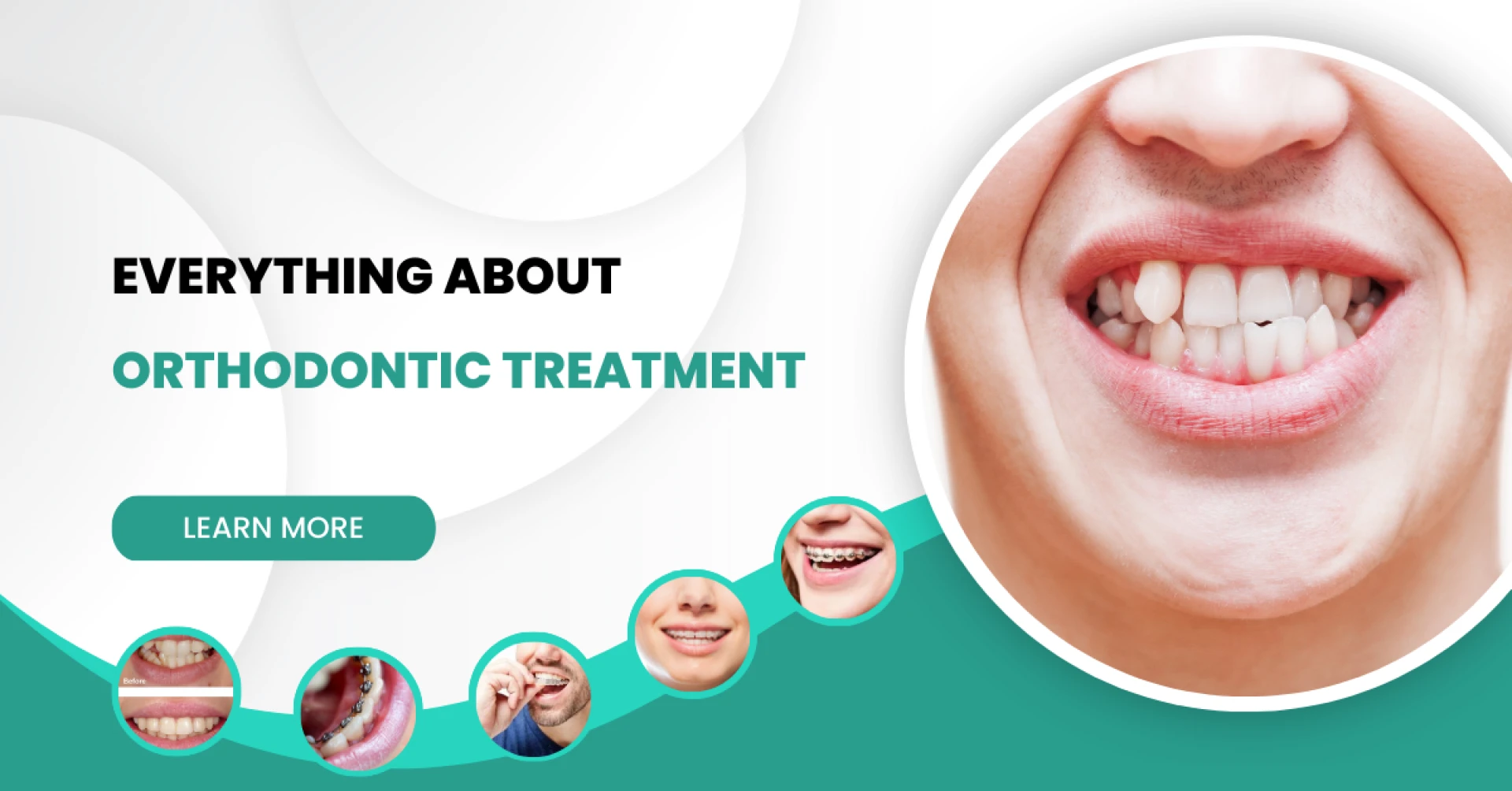

Orthodontic treatment is the branch of dentistry that specializes in the diagnosis, prevention, and correction of misaligned teeth and jaws. Treatment can help improve both a person’s oral health and their overall appearance. Orthodontics can also be used to improve an individual's bite or speech as well as overall facial balance.
The primary goal of orthodontic treatment is to create a healthy, functional bite. This can be achieved through the use of braces and other corrective appliances such as expanders, retainers, and headgear. By using these devices in combination with regular monitoring from a dentist or an orthodontist, it is possible to realign the teeth and correct any underlying jaw misalignment.
Types of orthodontic treatments?
There are several types of orthodontic treatments, each designed to address specific misalignment issues. The most common forms of treatment include traditional metal braces, clear braces, Invisalign®, and lingual braces.
Traditional Metal Braces: Traditional metal braces are the most common form of orthodontic treatment. These braces involve the use of metal brackets that are attached to each individual tooth, which is then connected with a wire and tied together with rubber bands. The tension created by tightening the rubber bands gradually pulls the teeth into alignment over time. Clear Braces: Clear braces are a form of orthodontic treatment that uses clear brackets and wires instead of metal. This makes them less noticeable than traditional braces, allowing for a more discreet and natural look. Invisalign®: Invisalign® is an innovative type of orthodontic treatment that uses plastic aligners instead of traditional brackets and wires. These aligners are custom-made to fit your unique mouth shape and can be removed for cleaning and eating. Lingual Braces: Lingual braces are a type of orthodontic treatment that uses metal brackets attached to the backside of each tooth. This placement makes them nearly invisible from the front and helps to create a more discreet look.Which one is best among this?
The type of orthodontic treatment that is best for you will depend on the severity and complexity of your misalignment. Generally speaking, Invisalign® is the most popular choice due to its discreetness and convenience, while traditional metal braces are more affordable and can often be used to correct more severe cases. Ultimately, it is best to speak with an orthodontist in order to determine which treatment is right for you.
Also Read: Aligners vs. Braces – Which is Better?
What are the common procedures?
Common procedures used during orthodontic treatment include:
Taking impressions and x-rays of your teethAdjusting braces and other appliancesMonitoring progress on a regular basisRemoving braces or other appliancesFitting retainers to help maintain the new position of teeth.What are the risks associated with Orthodontic Treatment?
Most orthodontic treatments are safe and rarely cause any serious side effects. However, there may be some potential risks and complications that can arise, including:
Gum irritation or soreness around the bracketsDamage to teeth or gums caused by an ill-fitting brace or wireJaw pain from misalignment of the jaw jointSpeech impediments caused by a poor bite.It is important to note that these risks are rare and can easily be prevented by properly following the instructions of your orthodontist. You should also make sure to attend all regularly scheduled appointments throughout the course of your treatment in order to minimize the risk of any potential complications.
What are the benefits associated with Orthodontic Treatment?
Orthodontic treatment can provide several benefits, both cosmetically and functionally. Straight teeth can improve your appearance by creating an overall more symmetrical look, while improved oral health can help prevent future issues
Benefits of orthodontic treatments
Improved Oral Health: Straightening the teeth can help reduce the risk of tooth decay and gum disease. It also helps to prevent future dental problems such as crowding, misalignment, and TMJ issues.Improved Appearance: Orthodontic treatments can improve a person’s appearance by providing them with a straighter, more attractive smile.Improved Self-Confidence: Straighter teeth can help improve a person’s self-confidence and their overall quality of life.Choosing an Orthodontist?
When choosing an orthodontist, it is important to find one who is experienced and has a good reputation. Many orthodontists offer free consultations to discuss the best treatment options for a particular case. It is also important to consider factors such as cost, location, and convenience when selecting an orthodontic provider.
Conclusion
Orthodontic treatment can provide a number of benefits, both cosmetically and functionally. By selecting an experienced orthodontist and considering factors such as cost, location, and convenience when choosing a provider, it is possible to find the right solution for your individual needs. With the help of an experienced orthodontist, you can achieve a beautiful, healthy smile.























Sign in to leave a comment.