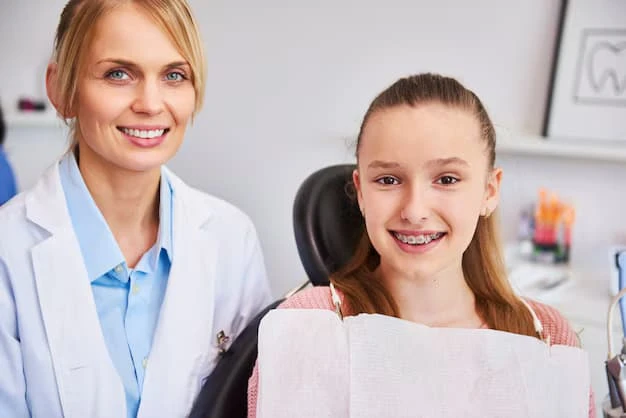

The pursuit of a beautiful smile often leads individuals to consider orthodontic treatment, with braces being one of the most common options available. For residents of Wolverhampton, understanding the ins and outs of braces is essential for making informed decisions regarding their dental health. This article delves into the various types of braces, the process involved in getting them, the benefits they offer, and the importance of maintaining a good relationship with your orthodontist.
Understanding the Different Types of Braces
When it comes to braces, there is no one-size-fits-all solution. Each individual’s dental needs are unique, and so are the types of braces available. Traditional metal braces are often the first option that comes to mind. These consist of metal brackets that are bonded to the teeth and connected by wires. Despite their visibility, they are highly effective in correcting a variety of alignment issues, making them a popular choice among both children and adults.
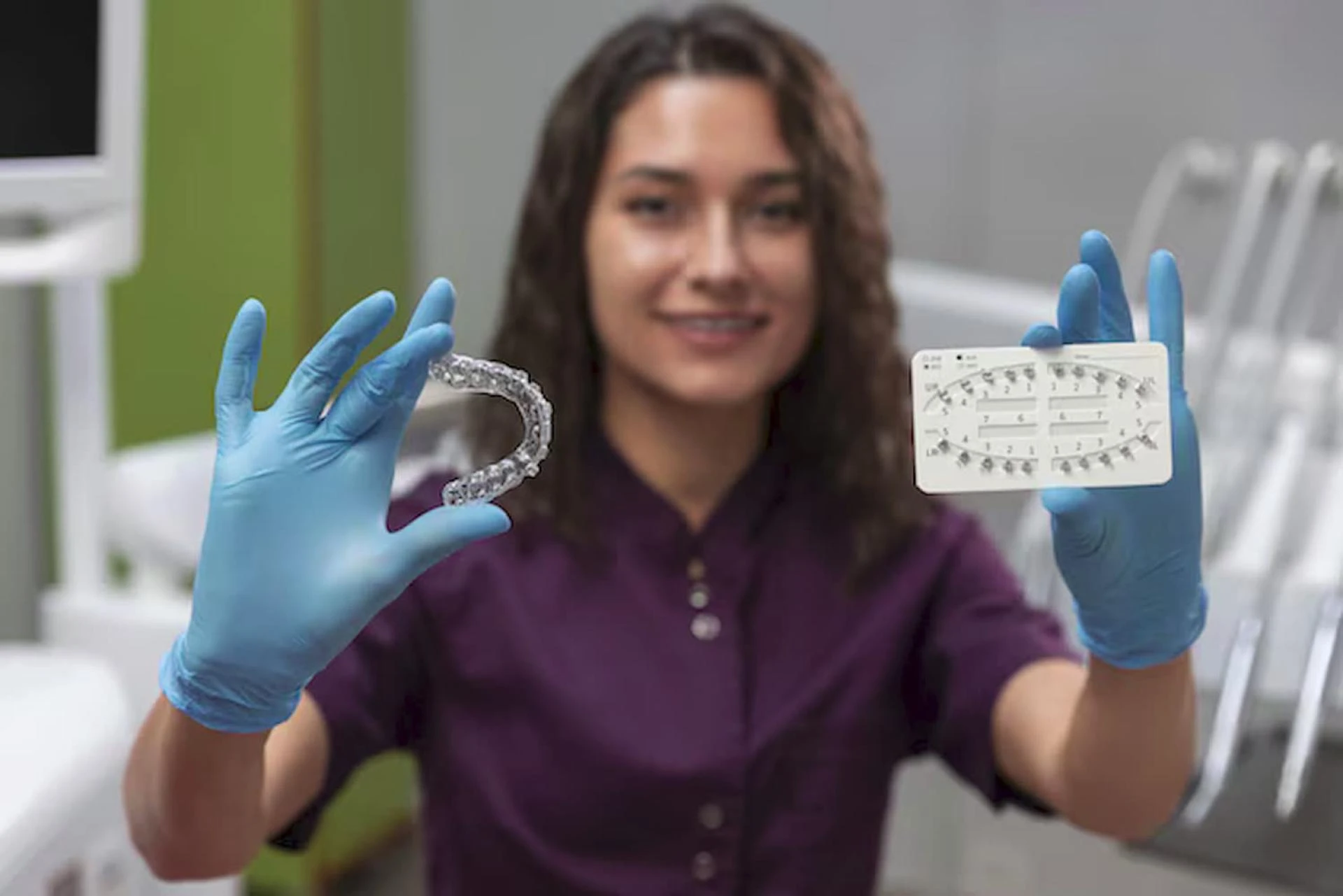
In recent years, more discreet options have emerged, catering to those who may feel self-conscious about wearing traditional braces. Ceramic braces, for instance, function similarly to metal braces but utilize tooth-colored or clear brackets, making them less noticeable. Furthermore, there are clear aligners, such as Invisalign, which can be removed for eating and cleaning, providing greater flexibility for those undergoing treatment. Each type of braces has its advantages and disadvantages, and consulting with an orthodontist in Wolverhampton can help individuals determine which option best suits their needs.
The Process of Getting Braces
The journey to a straighter smile begins with a comprehensive consultation with an orthodontic specialist. During this initial visit, the orthodontist will perform a thorough examination of the teeth, jaws, and facial structure. X-rays and photographs may also be taken to gather detailed information about the current state of the patient’s dental health. This assessment is crucial in developing a personalized treatment plan that addresses specific alignment issues.
Once the treatment plan is established, the next step is to schedule an appointment for brace placement. For traditional and ceramic braces, this involves bonding the brackets to the teeth and threading the archwire through them. The process is usually straightforward and can be completed in a couple of hours. For clear aligners, the orthodontist will take impressions or digital scans of the teeth to create a customized set of aligners that will be worn over the treatment period.
Throughout the duration of the brace treatment, regular follow-up appointments are essential. These visits allow the orthodontist to monitor progress, make adjustments, and ensure that the teeth are moving as planned. The length of time a patient will need to wear braces varies based on the severity of the alignment issues and the type of braces chosen. Generally, most patients can expect to wear braces for anywhere from several months to a few years.
Benefits of Wearing Braces
Beyond the aesthetic appeal of a straight smile, braces offer a plethora of benefits that contribute to overall dental health. One of the primary advantages is the improvement of bite function. Misaligned teeth can lead to difficulties in chewing and speaking, which can affect a person’s quality of life. By correcting these issues with braces, individuals often find that their ability to eat and articulate words improves significantly.
Additionally, properly aligned teeth are easier to clean and maintain. Misaligned teeth create hard-to-reach areas that can harbor plaque and bacteria, leading to cavities and gum disease. By straightening the teeth, braces enhance oral hygiene and reduce the likelihood of dental issues in the future. Furthermore, a well-aligned bite can alleviate stress on the jaw joints, which may help in reducing headaches and discomfort often associated with jaw misalignment.
The psychological impact of braces should not be underestimated either. Many individuals experience a boost in self-esteem and confidence as their smiles improve throughout the treatment process. This newfound confidence can positively influence various aspects of life, from social interactions to professional opportunities.
Choosing the Right Orthodontist in Wolverhampton
Selecting the right orthodontist is a pivotal step in the journey to achieving a beautiful smile. Residents of Wolverhampton have access to a range of qualified professionals who specialize in orthodontic care. It is important to consider factors such as the orthodontist’s experience, credentials, and the technologies they use in their practice. Reading reviews from previous patients and seeking recommendations can also aid in making an informed choice.
During the initial consultation, prospective patients should feel comfortable asking questions about the treatment options available, the expected timeline, and any concerns they may have. A knowledgeable and approachable orthodontist will provide clear explanations and help patients feel at ease throughout the process.
Moreover, a good orthodontist will emphasize the importance of ongoing care and communication. Building a strong relationship with the orthodontist not only ensures that patients receive the best possible treatment but also fosters an environment where questions and concerns can be addressed promptly.
Maintaining Oral Hygiene with Braces
One of the most crucial aspects of having braces is maintaining proper oral hygiene. Braces create additional nooks and crannies where food particles can become trapped, making regular brushing and flossing essential. Orthodontists typically recommend using a soft-bristled toothbrush and special orthodontic flossers to effectively clean around brackets and wires.
Patients with braces should also be mindful of their diet. Certain foods, particularly those that are sticky, hard, or chewy, can damage braces or get lodged in between the brackets, complicating the cleaning process. Adhering to dietary recommendations provided by the orthodontist can help ensure a smoother treatment experience.
Regular dental check-ups during orthodontic treatment are equally important. These visits allow the dentist to monitor overall oral health and address any issues that may arise. By combining regular dental care with diligent oral hygiene practices, patients can enjoy a successful orthodontic experience.
Conclusion
In summary, braces in Wolverhampton offer individuals an opportunity to enhance their smiles while improving their overall dental health. With various types of braces available, a personalized treatment plan can cater to every individual’s unique needs. The journey involves several stages, from the initial consultation to the placement and adjustment of braces, all aimed at achieving that desired smile.
As patients embark on this transformative journey, it is vital to choose a skilled orthodontist who can guide them through the process and provide ongoing support. By prioritizing oral hygiene and maintaining regular appointments, individuals can maximize the benefits of their braces. For those considering orthodontic treatment, HALFWAY HOUSE DENTAL in Wolverhampton is a trusted provider that can assist in achieving a beautiful and healthy smile.






























Sign in to leave a comment.