

Introduction
Central heating services are one of the most essential solutions for homes and commercial properties in regions where cold weather dominates a significant part of the year. A central heating system ensures that indoor spaces remain comfortable, energy efficient, and safe during chilly months. While many people simply enjoy the warmth it provides, few are fully aware of how these systems work, the types available, the benefits they offer, and the importance of professional maintenance.
In this detailed guide, we will explore everything related to central heating services. From the basics of how systems function to the advantages of upgrading, common problems faced by homeowners, and tips for selecting the right provider, this article will serve as a comprehensive resource for anyone considering installing or maintaining a central heating system.
Understanding Central Heating
Central heating refers to a system that generates heat at a central location and distributes it throughout a building. Unlike space heaters or portable units that warm only one area, central heating is designed to provide consistent warmth to every room. This is achieved through a network of pipes, radiators, ducts, or vents connected to a single heat source such as a boiler or furnace.
The concept of central heating dates back centuries. The Romans pioneered hypocaust systems that heated floors and walls in large villas and bathhouses. Today’s technology, however, is far more advanced, offering higher efficiency, safety, and flexibility.
Types of Central Heating Systems
There are several types of central heating systems available today, each suited to different property types, climates, and energy preferences.
1. Gas Central Heating
This is one of the most common systems used in residential properties. It relies on a gas boiler that heats water, which is then pumped through radiators or underfloor heating circuits. Gas central heating is cost effective, fast to heat up, and compatible with smart controls.
2. Oil Central Heating
In rural areas without access to mains gas, oil boilers are often used. They function in a similar way to gas systems but require an external oil storage tank. While effective, oil central heating can be more expensive and requires regular deliveries.
3. Electric Central Heating
Electric boilers and storage heaters provide another alternative. They are simple to install, safe, and suitable for smaller properties, but running costs may be higher compared to gas.
4. Renewable Energy Systems
Sustainability is becoming a major factor in heating solutions. Ground source heat pumps, air source heat pumps, and biomass boilers are popular renewable options. These systems may have higher initial costs but significantly reduce long term energy bills and carbon emissions.
5. District Heating
In urban areas, district heating networks supply heat from a central power station to multiple buildings. This large scale solution is efficient and can be powered by renewable energy or waste heat from industry.
How Central Heating Systems Work
At the heart of most central heating systems is a boiler or heat pump. This appliance generates heat either by burning fuel or drawing energy from the environment. The heat is then transferred to water or air, which circulates through pipes or ducts.
- Water based systems: Heated water flows through radiators or underfloor circuits, releasing warmth into rooms.
- Air based systems: Warm air is pushed through ducts and vents to maintain comfortable temperatures.
Modern systems also include thermostats, smart controls, and zoning features that allow homeowners to set different temperatures for different rooms. This not only maximizes comfort but also improves efficiency.
Benefits of Central Heating Services
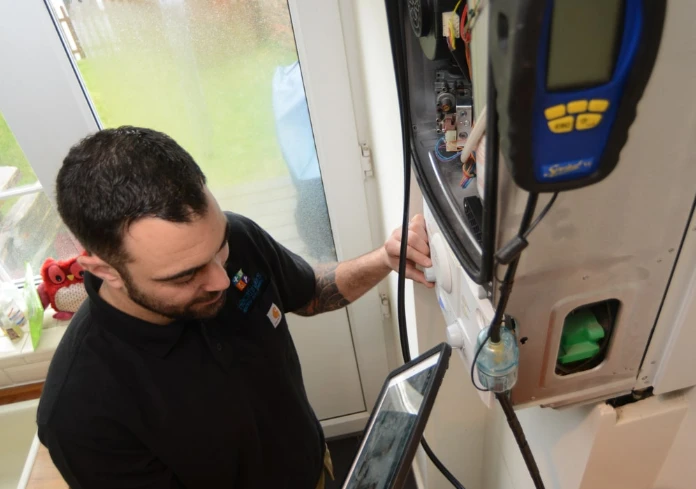
Professional central heating services offer multiple advantages beyond just installation. Some of the key benefits include:
Consistent Warmth
Unlike portable heaters, central heating provides an even distribution of warmth throughout the property, ensuring no room feels colder than another.
Energy Efficiency
Modern boilers, heat pumps, and thermostats are designed to reduce energy consumption. With regular servicing, systems operate at peak efficiency, lowering bills.
Safety and Reliability
Professional engineers ensure the system is safe to operate, with checks for leaks, carbon monoxide risks, and faulty wiring. Regular inspections minimize breakdowns.
Increased Property Value
A well maintained central heating system adds value to a property. Prospective buyers often prioritize energy efficient heating when choosing a home.
Environmentally Friendly Options
With renewable energy integration, central heating can reduce carbon footprints and align with sustainability goals.
Common Problems with Central Heating Systems
Even with professional installation, central heating systems can face issues over time. Some common problems include:
- No Heat or Hot Water – This could be due to boiler failure, thermostat issues, or low water pressure.
- Cold Radiators – Trapped air, sludge buildup, or pump problems can prevent radiators from heating properly.
- Noisy Pipes or Radiators – Banging or gurgling noises often indicate trapped air or limescale.
- Leaks – Corrosion or faulty valves may lead to water leaks that reduce efficiency.
- High Energy Bills – Poor efficiency, outdated boilers, or incorrect thermostat settings may cause bills to rise.
Addressing these problems promptly with professional help prevents costly damage and maintains comfort.
The Role of Central Heating Services
Central heating services cover a wide range of tasks, from installation to ongoing care. Let us look at some of the key services offered by professional engineers.
Installation
Qualified engineers design and install central heating systems tailored to the property’s size, insulation, and energy needs. Correct installation ensures optimal performance.
Boiler Replacement
Old boilers often waste energy and break down frequently. Replacing them with modern condensing boilers or heat pumps significantly improves efficiency.
System Upgrades
Homeowners may choose to upgrade with smart thermostats, new radiators, or renewable energy solutions.
Maintenance and Servicing
Annual servicing is crucial for keeping systems in good working order. Engineers clean components, check pressure levels, and identify potential problems early.
Emergency Repairs
Unexpected breakdowns can happen at the worst times. Emergency heating services ensure quick repairs, especially during winter.
Choosing the Right Central Heating Service Provider
Selecting a reliable heating service provider is essential for long term comfort and peace of mind. Here are some tips for making the right choice:
- Check Credentials – Ensure the company is licensed, insured, and certified by relevant authorities.
- Read Reviews – Customer feedback provides insights into reliability and professionalism.
- Compare Quotes – Obtain multiple estimates to understand pricing and value for money.
- Experience Matters – Providers with years of experience often handle complex systems better.
- Emergency Availability – Choose a company that offers 24 hour assistance for urgent issues.
- Sustainability Options – Look for providers who specialize in renewable heating solutions.
The Future of Central Heating
The heating industry is evolving rapidly due to technological advancements and growing environmental concerns. Some key trends include:
- Smart Heating Controls – Integration with smartphones and AI powered systems for personalized comfort.
- Hydrogen Boilers – Research is underway to replace natural gas with hydrogen, reducing emissions.
- Renewable Integration – Heat pumps and biomass boilers will continue to gain popularity.
- District Heating Expansion – More cities will adopt shared heating networks.
These innovations promise to make heating more efficient, sustainable, and affordable for households in the future.
Energy Saving Tips for Central Heating Users
In addition to professional services, homeowners can adopt simple practices to maximize efficiency:
- Set thermostats to optimal levels rather than excessively high temperatures.
- Bleed radiators regularly to remove trapped air.
- Use smart timers to heat only when necessary.
- Ensure proper insulation in walls, windows, and roofs.
- Schedule annual servicing with qualified engineers.
These steps help reduce energy bills and prolong system life.
Conclusion
Central heating services are more than just an installation solution. They ensure that homes and businesses remain warm, safe, and energy efficient throughout the colder months. From choosing the right system and upgrading to modern technology to maintaining performance through professional servicing, central heating plays a crucial role in modern living.
Whether you are a homeowner looking to upgrade your old boiler, a landlord needing regular maintenance for tenants, or a business owner seeking efficient heating solutions, investing in reliable central heating services is essential. With proper care, your system will not only provide comfort but also save money and contribute to a greener environment.
By understanding the types of systems available, recognizing common issues, and selecting the right service provider, you can enjoy years of reliable warmth and peace of mind. As technology continues to evolve, the future of central heating looks brighter, smarter, and more sustainable than ever before.




























Sign in to leave a comment.