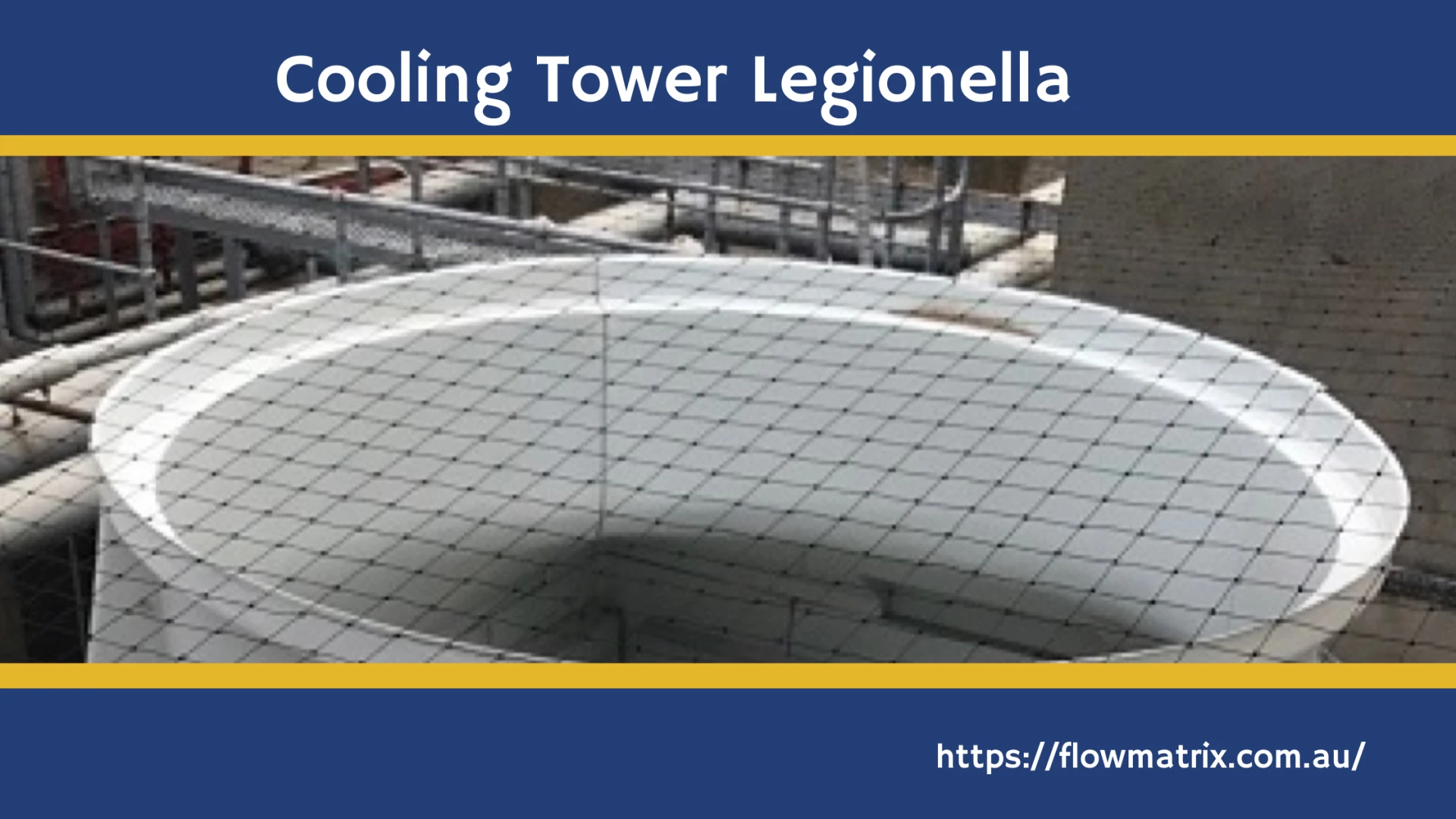

The name Legionnaires disease was first alluded to in 1976 to a respiratory disease impacting many delegates who attended a convention in Philadelphia, helmed by the American Legion of Pennsylvania. Afterward, a bacterium responsible for the disease was isolated and called Legionella Pneumophila. Another name is cooling tower legionella because of its proliferation in cooling towers.
The Legionella species of bacteria have been linked to two kinds of illnesses, namely Pontiac fever and Legionnaire’s disease. Pontiac fever is a non-pneumonia and mild illness similar to influenza. Legionnaire’s disease is a severe condition of pneumonia.
Cause of legionnaires disease
The bacterium responsible for Legionnaire’s disease or Legionellosis is part of the genus called Legionella. There are nearly 35 Legionella species known to cause the disease. Such species are commonly found in aquatic environments. They survive well in wet conditions and multiply in the presence of organic matter and algae.
The disease is often linked to cooling towers. Since water is evaporated into the atmosphere from the cooling tower, this can potentially generate conditions wherein water droplets that are contaminated are emitted to the air and transported far through the wind.
Studies reveal that airborne, fine water droplets are able to travel many kilometres away from the location of the cooling tower. The spread of these infected water droplets is the most worrying. If cooling towers are not properly maintained, cleaned, and tested, it can prove dangerous to persons in wide areas.
Many major outbreaks of Legionnaires disease have happened in Australia, such as in Adelaide in 1986 and Sydney in 1989. Cooling towers are at the centre of most major outbreaks thanks to their wide impact. Cooling towers are found in offices, hotels, hospitals, theme parks, power plants, and factories. It is well known that such towers can provide ideal conditions for the growth of Legionella bacteria.
Signs and symptoms
The disease begins with muscle pain, headache, and general uneasiness. This is followed by a high fever and chills. One may even experience nausea, diarrhoea, and vomiting. After 2 to 3 days, one may sense chest pain, dry cough, and difficulty in breathing. The majority of patients will suffer from pneumonia, where air sacs of lungs get filled with pus or fluid. The latter may cause the need for hospitalization.
Diagnosis and treatment
To diagnose Legionnaire’s disease, special lab tests are conducted. The diagnosis is corroborated by lab exams which isolate Legionella from sputum or tests of urine and blood of the patient.
Treatment of this disease is by consumption of antibiotics. If treatment is conducted early on, it reduces the chances of complications.
How does it spread indoors?
Cooling towers are featured in huge air-conditioning systems. They are utilized to cool water and dissipate unwanted heat to the atmosphere via evaporation of water. Cooling towers may contain microbes like Legionella through circulating water or air.
Legionella grows in water easily, particularly in the presence of scale and algae. The bacteria can be spread through the air-conditioning system.
Legionella has also been found in showers, hot water tanks, faucets, hot tubs, whirlpool spas, humidifiers, and public spas.
Who is at risk?
The disease mostly impacts middle-aged people, though all age groups have reported cases. The disease affects mostly persons with compromised immunity, those who suffer from cancer and kidney disease, diabetics, smokers, and alcoholics.
Prevention of disease
If cooling towers are maintained properly, levels of bacterial contamination can stay controlled or remain below critical stages. All models, even top brands like Shinwa, Superchill, Evapco, BAC, etc., are equally susceptible to bacterial growth. So, it is vital to focus on the prevention of contamination and best practices for water treatment to avoid the growth of bacteria.
It is good to replace damaged and old tower parts to prevent the growth of biofilm on those components as well as the accumulation of organic matter, rust, and other nutrients.
Finally, it is also recommended to hire a specialist company to clean, maintain, and repair cooling towers to get rid of cooling tower legionella.



























Sign in to leave a comment.