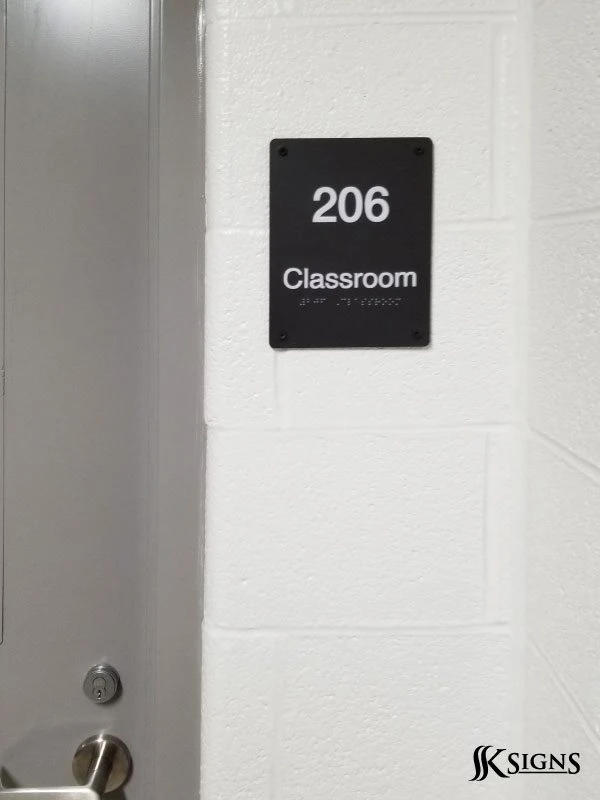

In today’s world, accessibility is no longer a luxury—it’s a legal and ethical necessity. The Americans with Disabilities Act (ADA) sets standards that ensure public spaces are accessible to all, regardless of physical limitations. One of the most important, yet often overlooked, aspects of ADA compliance is signage. That’s where custom ADA signage plays a crucial role.
Whether you're managing an office building, retail space, educational institution, or healthcare facility, custom ADA signs are essential for making your environment inclusive, functional, and legally compliant.
In this post, we’ll walk you through everything you need to know about custom ADA signage—what it is, why it matters, how to design it, and how to ensure compliance.
What is ADA Signage?
ADA signage refers to signs that comply with the standards established by the Americans with Disabilities Act of 1990. These standards ensure that people with visual or physical disabilities can easily navigate public spaces. ADA-compliant signs are mandatory in most commercial buildings and must meet specific design and placement requirements.
Common types of ADA signs include:
- Room identification signs (e.g., restroom, conference room)
- Exit and emergency signs
- Directional and informational signage
- Elevator and stairwell signage
Why Custom ADA Signage Matters
While you can purchase generic ADA signs, custom ADA signage allows you to maintain brand identity while ensuring accessibility. Here are several key reasons custom ADA signs are valuable:
1. Legal Compliance
Failure to provide ADA-compliant signage can lead to fines, lawsuits, or failed building inspections. Custom signs ensure you meet federal regulations without sacrificing aesthetics.
2. Enhanced Accessibility
Custom ADA signs with tactile text and Braille help people with visual impairments move independently and confidently within your facility.
3. Brand Consistency
Custom designs let you incorporate your colors, fonts, and logo while still adhering to ADA guidelines. This is especially important for hotels, offices, and healthcare facilities aiming to create a cohesive look.
4. Improved Customer Experience
Accessible signage shows your business values inclusivity and is welcoming to everyone. This improves brand perception and builds trust with clients and visitors.
Key Features of ADA-Compliant Custom Signs
When designing custom ADA signage, it’s important to follow certain standards to ensure compliance. Here are the essential features:
➤ Tactile Characters
Text must be raised at least 1/32 inch from the surface so that it can be read by touch. Fonts should be sans-serif and in all uppercase.
➤ Braille
All ADA signs must include Grade 2 Braille, which is a contracted form of Braille that uses abbreviations to save space.
➤ High Contrast
There must be a significant contrast between text and background to ensure readability by individuals with low vision. Common combinations include white text on black or black text on silver.
➤ Non-Glare Finish
The surface of the sign should have a matte or non-glare finish to improve visibility under different lighting conditions.
➤ Correct Mounting Height
Signs should be installed at 48 to 60 inches from the floor to the centerline of the sign, depending on the type and purpose.
Custom ADA Signage Design Tips
Creating ADA signage that is both compliant and attractive requires a balance of creativity and technical knowledge. Here are some design tips:
✅ Stick to ADA Fonts
Use approved sans-serif fonts like Helvetica, Arial, or Verdana. Avoid decorative fonts that are hard to read or not tactile-friendly.
✅ Be Strategic with Colors
Choose high-contrast color schemes that align with your branding but remain legible. Use your brand palette wisely to ensure compliance and consistency.
✅ Use Durable Materials
Choose materials like acrylic, aluminum, or high-pressure laminate that can withstand wear and tear, especially in high-traffic areas.
✅ Don’t Sacrifice Functionality
While design is important, never compromise on functionality. The primary goal is to help people with disabilities navigate your space safely and easily.
Common Mistakes to Avoid
Even with the best intentions, it’s easy to make mistakes with ADA signage. Here are a few common errors to watch out for:
- Placing Braille too low or too high
- Using decorative or script fonts
- Skipping tactile lettering
- Applying glossy finishes
- Inaccurate translations in Braille
- Failing to include directional signage for restrooms or exits
To avoid these pitfalls, always work with a signage professional experienced in ADA compliance.
Where Is ADA Signage Required?
ADA signs are required in most public and commercial spaces, including:
- Government buildings
- Hospitals and clinics
- Educational institutions
- Restaurants and cafes
- Office buildings
- Retail stores
- Hotels
- Gyms and fitness centers
However, temporary signs, advertising signs, and company branding signs do not fall under ADA regulations. For example, a sale banner or a logo sign doesn’t need to be ADA-compliant.
Custom ADA Signs for Different Industries
Each industry has unique requirements when it comes to ADA signage. Here’s how custom ADA signs are used across different sectors:
🏥 Healthcare
ADA-compliant room numbers, nurse stations, restrooms, and directional signage ensure patients and visitors can navigate the space safely.
🏨 Hospitality
Hotels use custom ADA signs for room numbers, amenities, elevator access, and conference spaces—all while keeping branding intact.
🏢 Corporate Offices
Brand-consistent signage for meeting rooms, workspaces, and emergency exits promotes accessibility without compromising professionalism.
🛍️ Retail
Stores benefit from directional signs, fitting room identification, and restroom markers that comply with ADA standards and support customer comfort.
Working with a Professional Sign Company
Designing and installing custom ADA signage is not a DIY project. It requires in-depth understanding of ADA regulations, materials, and mounting guidelines.
A professional sign company will:
- Ensure all elements (Braille, font size, contrast, etc.) meet ADA standards
- Help you choose materials and designs that reflect your brand
- Manage the production and installation process
- Provide guidance on where signage is needed throughout your facility
Final Thoughts
Custom ADA signage is a crucial element in making your space inclusive, functional, and legally compliant. Beyond meeting legal standards, ADA signs demonstrate your business’s commitment to accessibility and customer care. With the right design and guidance, you can achieve both compliance and brand consistency seamlessly.
If you're looking to upgrade your space with professional and compliant ADA signs, work with a trusted Mississauga sign company that understands the technical and creative aspects of custom signage. Their expertise ensures your signs not only meet legal standards but also elevate the look and feel of your space.




























Sign in to leave a comment.