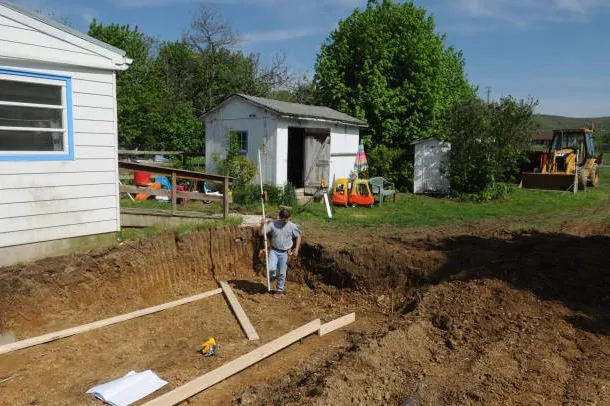

Are you planning to add a bedroom, bathroom, home office, or guest suite to your house? A home addition can improve comfort, increase living space, and add value to your property. However, if your home relies on a septic system, expanding the house involves more than construction plans and permits.
Every addition that changes wastewater use or affects the property layout can influence septic system planning. A project that looks simple on paper may require a review of your septic system's capacity, drain field location, setback requirements, or future replacement area before construction begins.
Planning ahead helps homeowners avoid unexpected delays, costly redesigns, and damage to an existing septic system. With the right guidance, your home addition can move forward while protecting the long-term performance of your wastewater system.
Key Takeaways
- A home addition can affect septic capacity, layout, permits, and future maintenance.
- Adding bedrooms, bathrooms, or plumbing fixtures may increase wastewater demand.
- Drain fields, septic tanks, and underground pipes should be located before construction starts.
- Local setback rules and septic regulations may influence where an addition can be built.
- Professional septic inspection services and residential septic services help homeowners avoid costly mistakes during planning.
How a Home Addition Can Affect Septic System Planning
1. It Can Increase Daily Wastewater Use
One of the biggest ways a home addition affects septic system planning is by increasing the amount of wastewater the system must handle each day.
Adding a bathroom, laundry room, guest suite, or kitchenette means more showers, toilet flushing, dishwashing, and laundry. Even converting unused space into a livable area can increase occupancy and place additional demand on the septic system.
If the existing system was designed for lower daily usage, the added wastewater may overload the tank or drain field over time. Reviewing system capacity before construction helps determine whether the current setup can safely support the expansion.
2. It Can Change the Approved Bedroom Count
Many homeowners are surprised to learn that septic systems are often approved based on the number of bedrooms rather than the home's square footage.
A new bedroom usually increases the property's estimated occupancy, which also increases expected wastewater flow. Even if the room is intended to be an office or hobby space, local officials may classify it as a bedroom if it meets certain requirements.
During septic system planning, homeowners should verify whether the addition changes the approved bedroom count. If it does, the septic system may need further evaluation before permits are issued.
3. It Can Require Septic Inspection Services
Before finalizing construction plans, it is important to understand the current condition of the septic system.
Professional septic inspection services can evaluate the septic tank, baffles, distribution box, pipes, and drain field for signs of wear or damage. They can also identify maintenance issues that may become more serious once the addition increases wastewater use.
If the inspection reveals existing problems, homeowners can address them before construction begins instead of discovering expensive repairs after the project is complete.
4. It Can Affect the Drain Field Location
The drain field is one of the most important parts of any septic system, and it should never be disturbed during construction.
Building an addition over or too close to the drain field can compact the soil, damage underground pipes, and reduce the soil's ability to treat wastewater properly. Heavy equipment, concrete foundations, patios, and driveways can create similar problems.
Good septic system planning includes locating the drain field before designing the addition so the new structure protects the long-term performance of the system.
5. It Can Affect Existing Septic Lines
Many homeowners remember the septic tank but overlook the underground pipes that connect the house to the system.
Excavation for new foundations, utility trenches, or footings can accidentally damage these lines if they are not properly located beforehand. In some cases, the piping may need to be relocated to accommodate the addition safely.
Identifying these underground utilities early allows builders to adjust the design before construction begins, helping avoid unnecessary repairs and project delays.
6. It Can Interfere with Setback Requirements
Every septic system must meet minimum setback distances from structures, wells, property lines, water sources, and other features.
A home addition that appears to fit perfectly on a building plan may still violate local septic setback requirements. If that happens, the design may need to be revised before permits can be approved.
Including setback reviews as part of septic system planning helps homeowners avoid spending time and money on plans that cannot move forward without changes.
7. It Can Affect the Reserve Area
Many properties with septic systems include a designated reserve area for a future replacement drain field. Although this space may appear to be an unused part of the yard, it is reserved in case the existing drain field fails years later.
A home addition, patio, driveway, pool, or detached structure built over the reserve area can eliminate valuable space needed for future repairs. This may limit your options if the current system ever reaches the end of its service life.
As part of septic system planning, homeowners should identify and protect the reserve area before finalizing building plans. Preserving this space helps support future repairs and keeps the property compliant with local requirements.
8. It May Lead to Septic System Replacement
A home addition can reveal that the existing septic system is no longer large enough to meet the property's wastewater needs. This is especially common when adding bedrooms, bathrooms, in-law suites, or other living spaces that increase daily water use.
If the septic tank or drain field cannot safely manage the additional flow, a septic system replacement may be necessary. While replacing the system adds to the project cost, it can also improve reliability, reduce the risk of backups, and ensure the expanded home complies with local regulations.
Reviewing system capacity before construction helps homeowners understand whether the current system can support the addition or whether a septic system replacement should be included in the project budget.
9. It May Require a New Septic Installation
Some home additions require more than expanding the existing system. Projects such as guest houses, accessory dwelling units (ADUs), large additions, or significant plumbing expansions may require a completely new septic installation.
The need for a new system depends on several factors, including available land, soil conditions, local regulations, and the capacity of the existing septic system. In some cases, expanding the current system may not be possible, making a new septic installation the safest and most practical solution.
Including septic professionals early in the planning process helps homeowners understand these requirements before construction begins.
10. It May Require Permit Updates and Design Approval
A home addition often requires more than a standard building permit. If the project changes the number of bedrooms, plumbing fixtures, or wastewater demand, local health departments may also require a septic review before approving construction.
During septic system planning, officials may evaluate whether the existing system still meets current regulations or whether modifications are needed. Depending on the findings, homeowners may need updated design documents, additional site evaluations, or approval for a septic installation or septic system replacement.
Reviewing permit requirements early helps avoid delays once construction is ready to begin.
11. Construction Can Affect Drainage and Damage the Septic System
Construction activities can unintentionally affect the performance of a septic system.
Heavy equipment can compact the soil above the drain field, reducing its ability to absorb and treat wastewater. New rooflines, gutters, grading, and downspouts can also redirect stormwater toward the drain field, leaving the soil saturated and reducing system efficiency.
Contractors should also avoid storing building materials or parking heavy machinery over septic components during the project.
Good septic system planning considers both construction activity and long-term drainage to help protect the septic system throughout and after the home addition.
Conclusion
A home addition should improve your property without creating unnecessary problems for your septic system. Reviewing system capacity, protecting the drain field, understanding permit requirements, and planning around existing septic components can help prevent costly setbacks during construction.
By including septic system planning early in the project, homeowners can expand with greater confidence while protecting the long-term performance of their wastewater system. If you are planning an addition, consulting experienced septic professionals before construction begins can help keep your project on the right track.
Planning a home addition? Contact Septic Science LLC for expert septic guidance before your project begins.
FAQs
Will a home addition affect my property's resale value if the septic system is not upgraded?
It can. Buyers and lenders may have concerns if the home's size no longer matches the septic system's approved capacity. Addressing septic requirements during the addition can help avoid issues when selling the property.
Can I expand my home if I do not know where my septic system is located?
It is not recommended. Locating the septic tank, drain field, and underground lines before construction helps prevent accidental damage and allows the addition to be designed around the existing system.
How early should septic system planning begin for a home addition?
It is best to begin septic system planning before finalizing building plans. Early planning gives enough time for site evaluations, permit reviews, and any changes that may be needed before construction starts.
Can landscaping changes after a home addition affect the septic system?
Yes. New trees, retaining walls, irrigation systems, or changes to grading can affect the drain field and wastewater flow. Landscaping should always be planned with the septic system in mind to help maintain long-term performance.























Sign in to leave a comment.