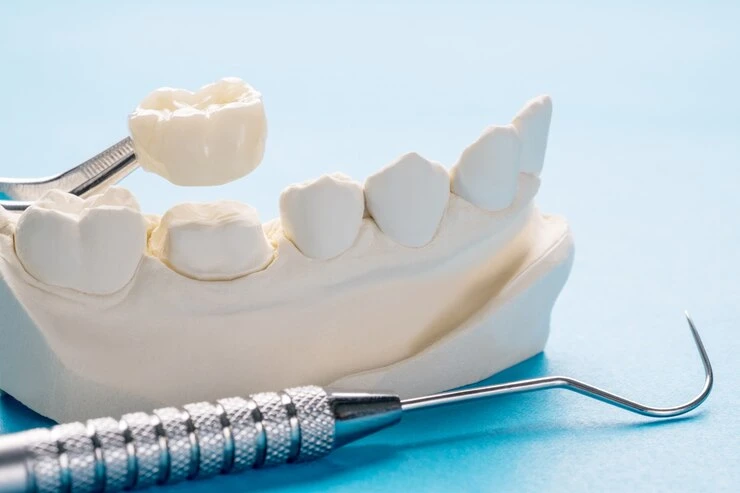

Dental crowns are a common dental restoration procedure used to protect, cover, and restore the shape of teeth when fillings don\'t solve the problem. Dental crowns can be made from various materials, including metals, porcelain, resin, and ceramics. Understanding the ins and outs of dental crowns Bourbon County KY can help patients make informed decisions about their dental health. This article will delve into the various types, benefits, procedure, costs, and aftercare of dental crowns.
What Are Dental Crowns?
Dental crowns are caps placed over damaged teeth. They restore a tooth\'s shape, size, strength, and appearance. When cemented in place, crowns fully encase the visible portion of a tooth that lies at and above the gum line. Dental crowns Bourbon County KY are typically used when a large cavity threatens the ongoing health of a tooth, or following root canal treatment, to protect and strengthen the tooth.
Types of Dental Crowns
Dental crowns can be made from several types of materials. The type of crown chosen depends on the patient\'s specific needs and preferences. Here are the most common types:
- Metal Crowns: These crowns are made from alloys that have a high content of gold, platinum, or base-metal alloys like cobalt-chromium and nickel-chromium. Metal crowns are known for their durability and are less likely to chip or break. They are ideal for out-of-sight molars.
- Porcelain-Fused-to-Metal Crowns: These crowns provide a stronger bond than regular porcelain because they are connected to a metal structure. They are highly durable and can be color-matched to adjacent teeth. However, the porcelain portion can chip or break, and sometimes the metal underlying the crown\'s porcelain can show through as a dark line.
- All-Ceramic or All-Porcelain Crowns: These crowns provide the best natural color match compared to any other crown type and are a good choice for people with metal allergies. However, they are not as strong as porcelain-fused-to-metal crowns and can wear down the opposing teeth a little more than metal or resin crowns. They are a good choice for front teeth.
- All-Resin Crowns: These crowns are less expensive than other crown types. However, they wear down over time and are more prone to fractures than porcelain-fused-to-metal crowns.
- Pressed Ceramic Crowns: These crowns have a hard inner core. Pressed ceramic crowns replace the metal liner that\'s used in the all-ceramic crown-making process. Pressed ceramic crowns are capped with porcelain, which provides the best natural color match. They\'re also longer lasting than an all-porcelain crown.
Benefits of Dental Crowns
Dental crowns offer several benefits:
- Protection: They protect a weak tooth from breaking or hold together parts of a cracked tooth.
- Restoration: They restore an already broken tooth or a tooth that has been severely worn down.
- Support: They support a tooth with a large filling when there isn’t a lot of tooth left.
- Cosmetic Improvement: They cover misshaped or severely discolored teeth.
- Cover Dental Implants: They cover a dental implant.
- Cover Dental Bridges: They hold a dental bridge in place.
The Procedure for Getting a Dental Crown
Getting a dental crown typically requires two visits to the dentist:
First Visit: Examination and Preparation
- X-rays: The dentist may take X-rays to check the roots of the tooth receiving the crown and surrounding bone.
- Root Canal Treatment: If there’s extensive decay or if there’s a risk of infection or injury to the tooth’s pulp, a root canal treatment may be required.
- Tooth Preparation: The dentist will numb the tooth and surrounding gum tissue, then file down the tooth receiving the crown to make room for the crown. If a large area of the tooth is missing (due to damage or decay), the dentist will use filling material to build up the tooth to support the crown.
- Impression: After reshaping the tooth, the dentist will make an impression of the tooth receiving the crown, as well as the teeth above or below it (to ensure that the crown will not affect your bite).
- Temporary Crown: The dentist will make a temporary crown to cover and protect the prepared tooth while the crown is being made. Temporary crowns are usually made of acrylic and are held in place using temporary cement.
Second Visit: Receiving the Permanent Crown
- Removal of Temporary Crown: The dentist will remove the temporary crown and check the fit and color of the permanent crown.
- Permanent Crown Cementing: If everything is acceptable, the dentist will numb the tooth and cement the new crown in place.
Cost of Dental Crowns
The cost of a dental crown varies depending on the type of material used and the country in which the dental procedure is performed. On average:
- Metal Crowns: $800 to $2,500 per crown.
- Porcelain-Fused-to-Metal Crowns: $500 to $1,500 per crown.
- All-Ceramic or All-Porcelain Crowns: $800 to $3,000 per crown.
- All-Resin Crowns: $300 to $1,000 per crown.
- Pressed Ceramic Crowns: $1,000 to $2,500 per crown.
Dental insurance might cover part of the cost of crowns, particularly if they are needed for medical rather than cosmetic reasons.
Aftercare for Dental Crowns
Proper aftercare is essential to ensure the longevity and effectiveness of dental crowns Bourbon County KY. Here are some tips:
- Good Oral Hygiene: Brush your teeth at least twice a day and floss daily. Use a fluoride toothpaste to prevent decay.
- Avoid Hard Foods: Chewing hard foods, such as ice or hard candies, can cause crowns to crack.
- Regular Dental Check-Ups: Visit your dentist regularly for check-ups and professional cleanings.
- Avoid Teeth Grinding: If you grind your teeth at night, ask your dentist about a nightguard to protect your crowns.
- Immediate Dental Attention for Issues: If your crown feels loose or uncomfortable, contact your dentist immediately.
Conclusion
Dental crowns Bourbon County KY are a versatile and effective solution for various dental issues, from protecting weakened teeth to improving the appearance of damaged or discolored teeth. By understanding the different types of crowns, the procedure, costs, and aftercare, patients can make informed decisions and ensure the best possible outcomes for their dental health. Whether you need a crown for functional or aesthetic reasons, consulting with your dentist will help determine the best type of crown for your specific needs.





























Sign in to leave a comment.