
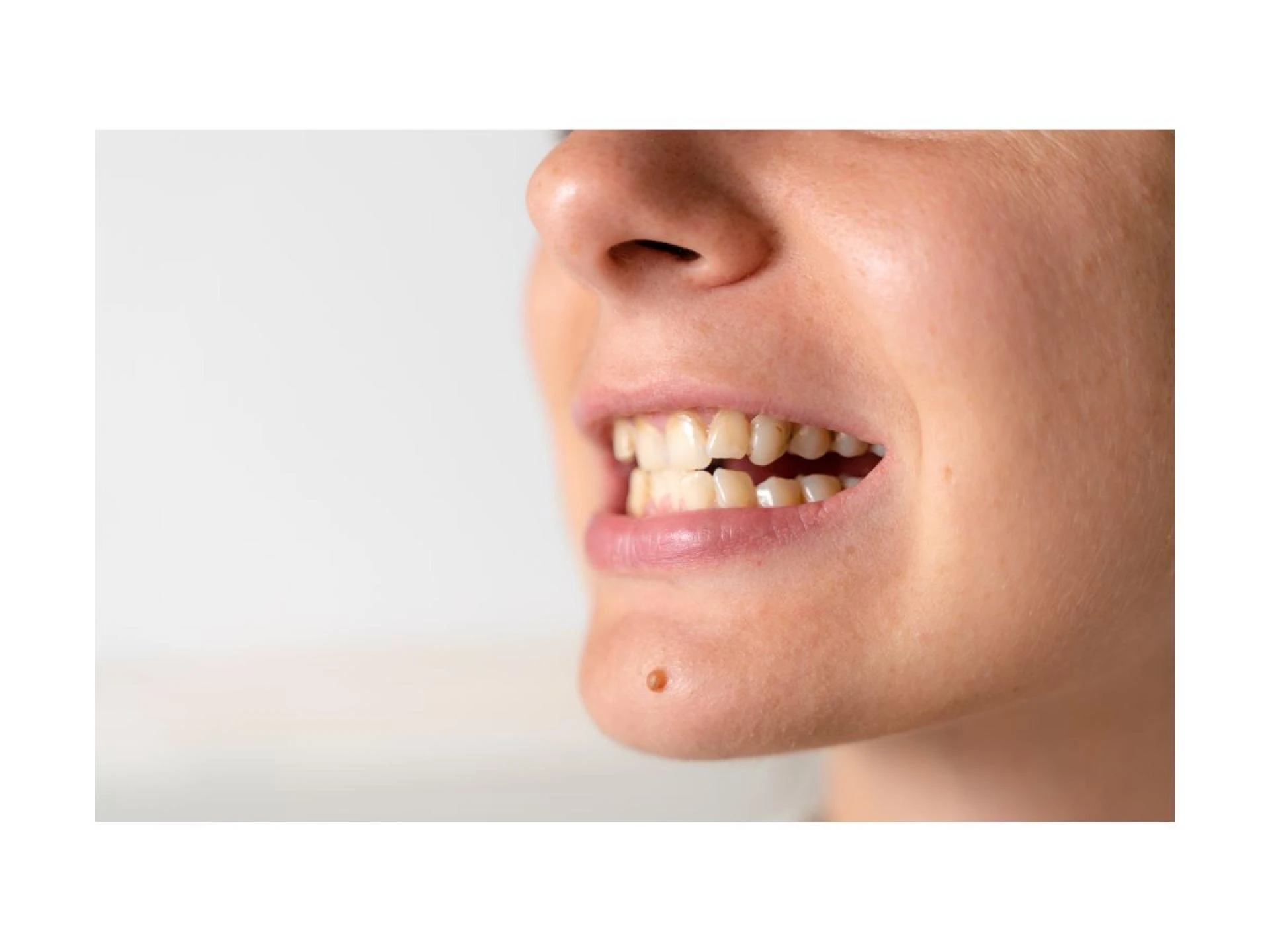
Missing teeth can affect more than just your smile. They can make eating harder, change speech, and lower confidence. Many people also feel discomfort or shifting in nearby teeth after tooth loss.
Dental implants are one of the most trusted solutions for replacing missing teeth. They are strong, long-lasting, and designed to feel natural. This guide explains how dental implants work, their benefits, and what recovery looks like, using clear and simple language.
What Are Dental Implants?
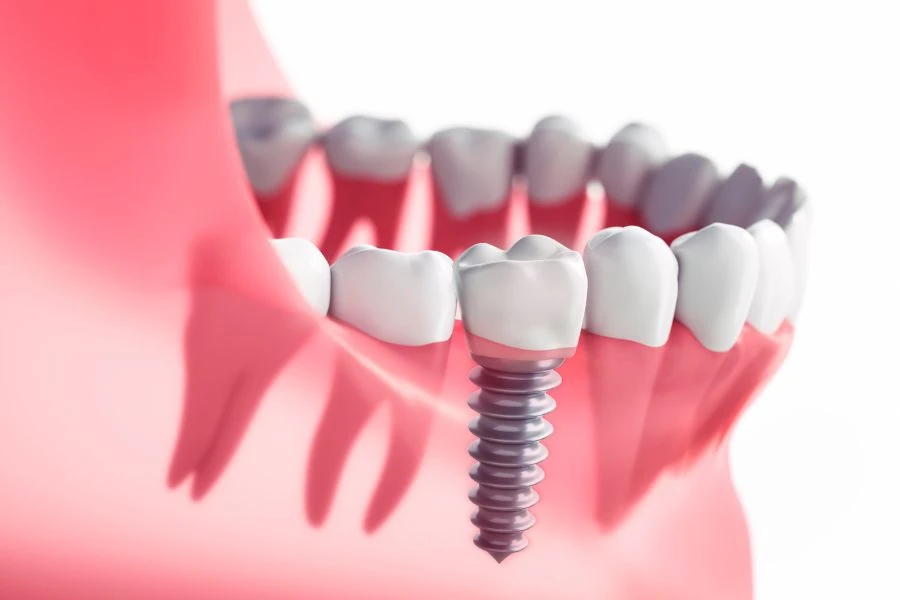
Dental implants are artificial tooth roots. They are usually made from titanium, a material that bonds well with bone. The implant is placed into the jawbone and supports a replacement tooth.
An implant has three main parts:
- The implant post placed in the jaw
- The connector, called an abutment
- The crown, which looks like a natural tooth
Together, these parts create a stable and functional tooth replacement.
Who Can Benefit from Dental Implants?
Dental implants are suitable for many adults with missing teeth. They can replace a single tooth, several teeth, or support full dentures.
Good candidates usually have healthy gums and enough jawbone to support the implant. Bone loss does not always rule out implants. Bone grafting may be an option in some cases.
People looking for long-term tooth replacement often consult a dental implants specialist in North York to evaluate their options and oral health needs.
The Dental Implant Process Explained
Dental implants are placed in steps. This allows the jawbone to heal properly and support the implant.
Step 1: Initial Assessment
The dentist examines your mouth and reviews X-rays or scans. This helps plan the exact implant position.
Step 2: Implant Placement
The implant post is placed into the jawbone during a minor procedure. Local anesthesia is used, so discomfort is limited.
Step 3: Healing Period
Over several months, the implant bonds with the bone. This process is called osseointegration. It creates a strong foundation.
Step 4: Abutment and Crown
Once healing is complete, the abutment and crown are placed. The crown is shaped and colored to match natural teeth.
Benefits of Dental Implants
Dental implants offer many advantages over other tooth replacement options.
Natural Look and Feel
Implants look and feel like real teeth. They blend with your smile and restore normal chewing.
Long-Term Durability
With proper care, implants can last many years. They are one of the most durable dental solutions available.
Bone Preservation
When a tooth is lost, the jawbone can shrink over time. Implants help stimulate the bone and reduce bone loss.
Improved Comfort
Unlike removable dentures, implants stay in place. There is no slipping or need for adhesives.
Better Oral Health
Implants do not affect nearby teeth. This helps preserve the natural tooth structure.
How Do Dental Implants Compare to Other Options?
Bridges and dentures are common alternatives. While they can restore function, they have limits.
Bridges rely on nearby teeth for support. This may weaken healthy teeth over time. Dentures can move and may feel uncomfortable.
Dental implants stand alone. They provide stability without affecting other teeth. This makes them a preferred choice for many patients.
What to Expect During Recovery?
Recovery from dental implant surgery is usually manageable. Most people return to normal activities within a day or two.
Mild swelling or soreness is common in the first few days. This can be managed with rest and simple pain relief.
Dentists often recommend:
- Eating soft foods at first
- Keeping the area clean
- Avoiding smoking during healing
Following care instructions helps ensure proper healing and long-term success.
How Long Does Recovery Take?
Initial healing takes about one to two weeks. Full bone bonding takes several months.
During this time, patients can often use a temporary tooth. Once healing is complete, the final crown is placed.
The full process takes time, but the result is a strong and stable tooth replacement.
Caring for Dental Implants
Dental implants require the same care as natural teeth. Daily brushing and flossing are essential.
Regular dental checkups help monitor implant health. Good oral hygiene protects the gums and surrounding bone.
With proper care, implants can remain healthy for many years.
Are Dental Implants Worth It?
Dental implants may cost more upfront than other options. However, their durability and comfort often make them cost-effective long term.
They reduce the need for replacements and adjustments. Many patients find the benefits outweigh the initial cost.
Final Thoughts
Dental implants are a reliable solution for missing teeth. They restore function, support oral health, and improve confidence.
Understanding the process, benefits, and recovery helps patients make informed decisions. With proper planning and care, dental implants can provide lasting results and a natural smile.




























Sign in to leave a comment.