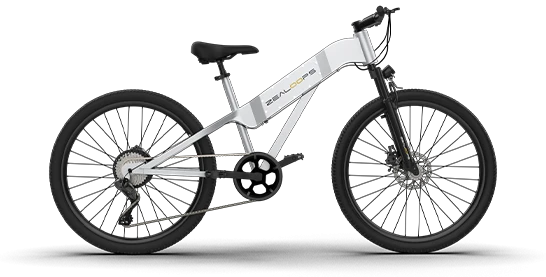

Electric bike (e-bike) batteries are an essential component of electric bicycles, providing the power required for the motor to propel the bike. Here's everything you need to know about e-bike batteries: 1. Battery Types: E-bike batteries mainly come in three types: lead-acid, nickel-metal hydride (NiMH), and lithium-ion (Li-ion). Lead-acid batteries are less common due to their weight and limited lifespan. NiMH batteries have better energy density but are being phased out in favor of Li-ion batteries due to their lower cost and higher energy density. 2. Lithium-ion Battery Advantages: Li-ion batteries are the most popular choice for e-bikes due to several advantages. They offer high energy density, lightweight design, longer lifespan, and the ability to hold a charge without significant self-discharge. Li-ion batteries also provide consistent power output throughout their discharge cycle. 3. Voltage and Capacity: E-bike batteries are typically rated in volts (V) and ampere-hours (Ah). Voltage determines the power output, while capacity (Ah) indicates the amount of energy the battery can store. Higher voltage leads to more power, while higher capacity allows for longer rides. The product of voltage and capacity gives you the watt-hours (Wh) rating, which indicates the total energy storage of the battery. 4. Battery Management System (BMS): E-bike batteries incorporate a BMS to monitor and protect the battery. The BMS ensures balanced charging of individual cells, prevents overcharging and over-discharging, and safeguards against excessive temperature and current. 5. Charging: E-bike batteries are rechargeable. Most Li-ion batteries can be charged using a standard household outlet. Charging times vary depending on the battery capacity and charger specifications. Typically, it takes a few hours to fully charge an e-bike battery. 6. Range: The range of an e-bike depends on factors such as battery capacity, motor power, terrain, rider weight, and assist level. Higher-capacity batteries provide longer ranges, but other factors can significantly affect the actual range achieved. 7. Battery Lifespan: The lifespan of an e-bike battery is influenced by factors like usage, charging habits, and temperature conditions. On average, a well-maintained Li-ion battery can last several years and endure hundreds of charge cycles before its capacity begins to degrade. 8. Replacement and Recycling: E-bike batteries have a finite lifespan, and eventually, they will need to be replaced. It's important to follow proper disposal or recycling procedures for old batteries, as they contain hazardous materials. Many manufacturers or local recycling facilities provide options for battery recycling. 9. Battery Care: To maximize the lifespan of your e-bike battery, it's essential to follow the manufacturer's guidelines. Avoid extreme temperatures, store the battery in a cool and dry place, and maintain proper charging practices, such as not overcharging or fully discharging the battery regularly. 10. Legal and Safety Considerations: Different countries or regions may have regulations regarding the use, transportation, and disposal of e-bike batteries. It's important to be aware of these regulations and follow them to ensure safety and compliance. When selecting an e-bike battery, consider your riding needs, the terrain you'll be traversing, and the range required. It's advisable to consult the manufacturer's specifications and seek expert advice to choose the most suitable battery for your e-bike.











Sign in to leave a comment.