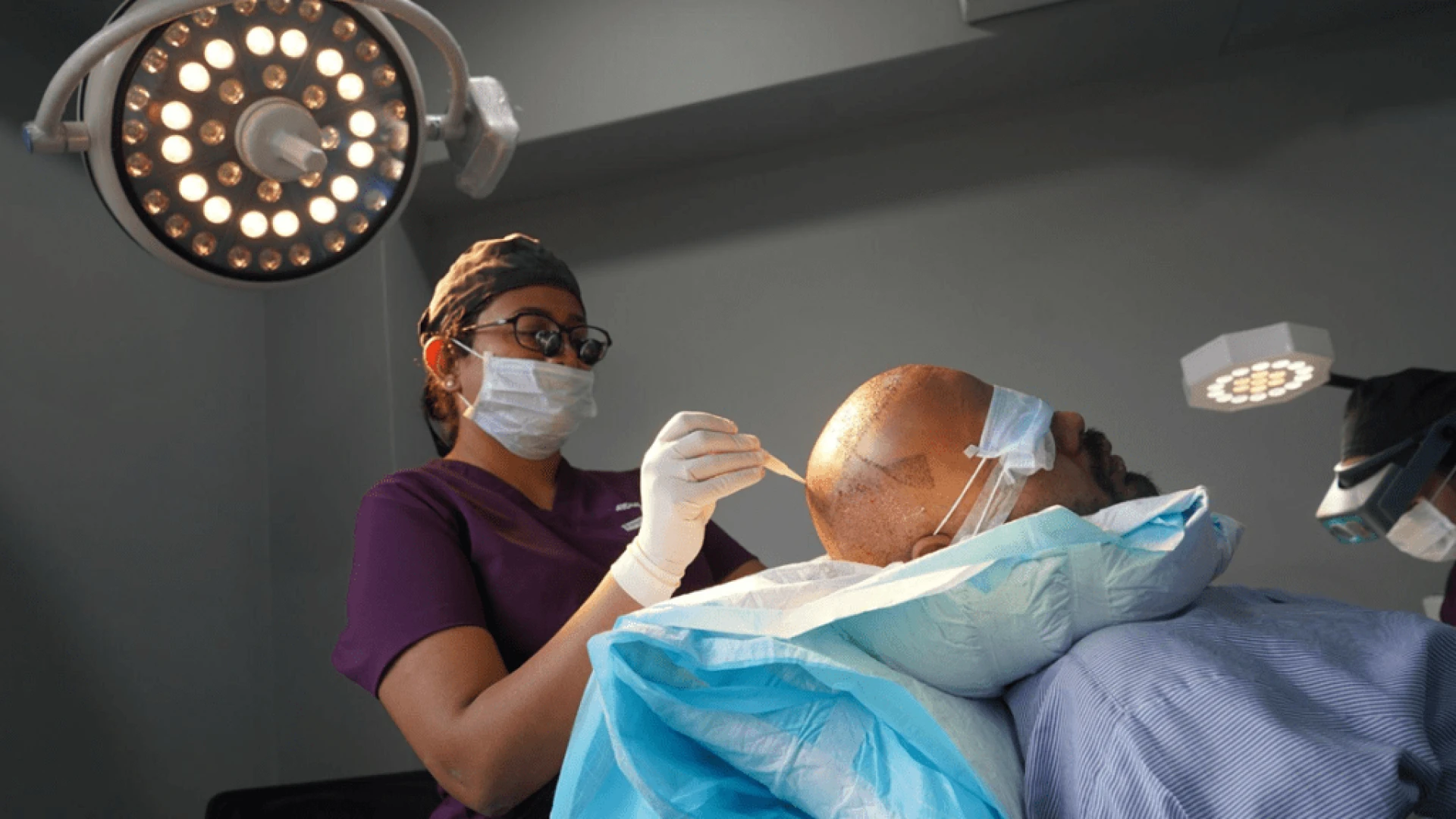

Hair replacement surgery is a medical procedure designed to restore hair in areas affected by thinning or baldness. It is most commonly used to treat male and female pattern baldness, but it can also address hair loss from injuries or medical conditions. Unlike temporary fixes such as wigs or topical products, surgery offers a more permanent solution. With advancements in technology, today’s methods produce natural-looking results that blend seamlessly with existing hair.
Popular Surgical Techniques
The two most widely practiced techniques in hair replacement surgery are Follicular Unit Transplantation (FUT) and Follicular Unit Extraction (FUE). FUT involves removing a strip of scalp and transplanting individual follicular units, while FUE extracts follicles one by one for transplantation. Both techniques have their advantages: FUT allows for larger graft numbers in a single session, whereas FUE leaves minimal scarring and has a quicker recovery. Choosing the right method often depends on the patient’s goals, hair type, and the surgeon’s expertise.
Who Can Benefit from Surgery
Not everyone experiencing hair loss is a good candidate for surgery. Ideal candidates are those with sufficient donor hair at the back or sides of the scalp. Patients should also be in good general health, as underlying medical issues can impact healing and results. Age is another factor—while younger individuals may be eager for surgery, it is important to consider whether their hair loss pattern is still progressing. A thorough consultation with a qualified surgeon helps determine suitability.
What to Expect During the Procedure
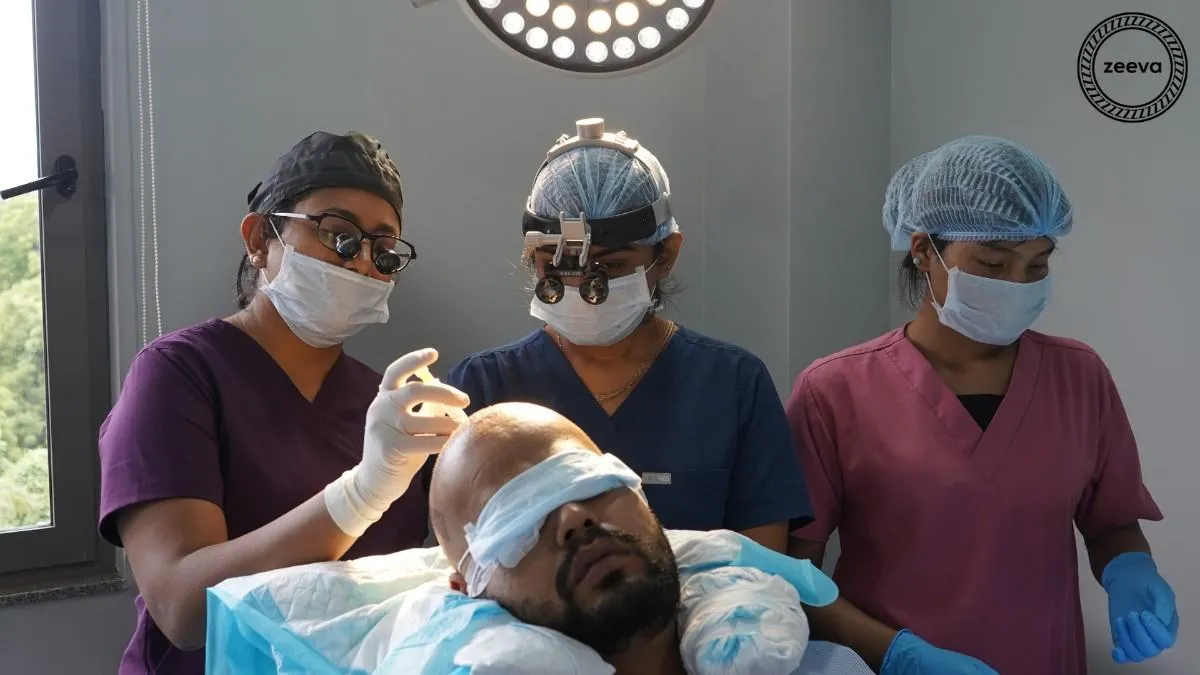
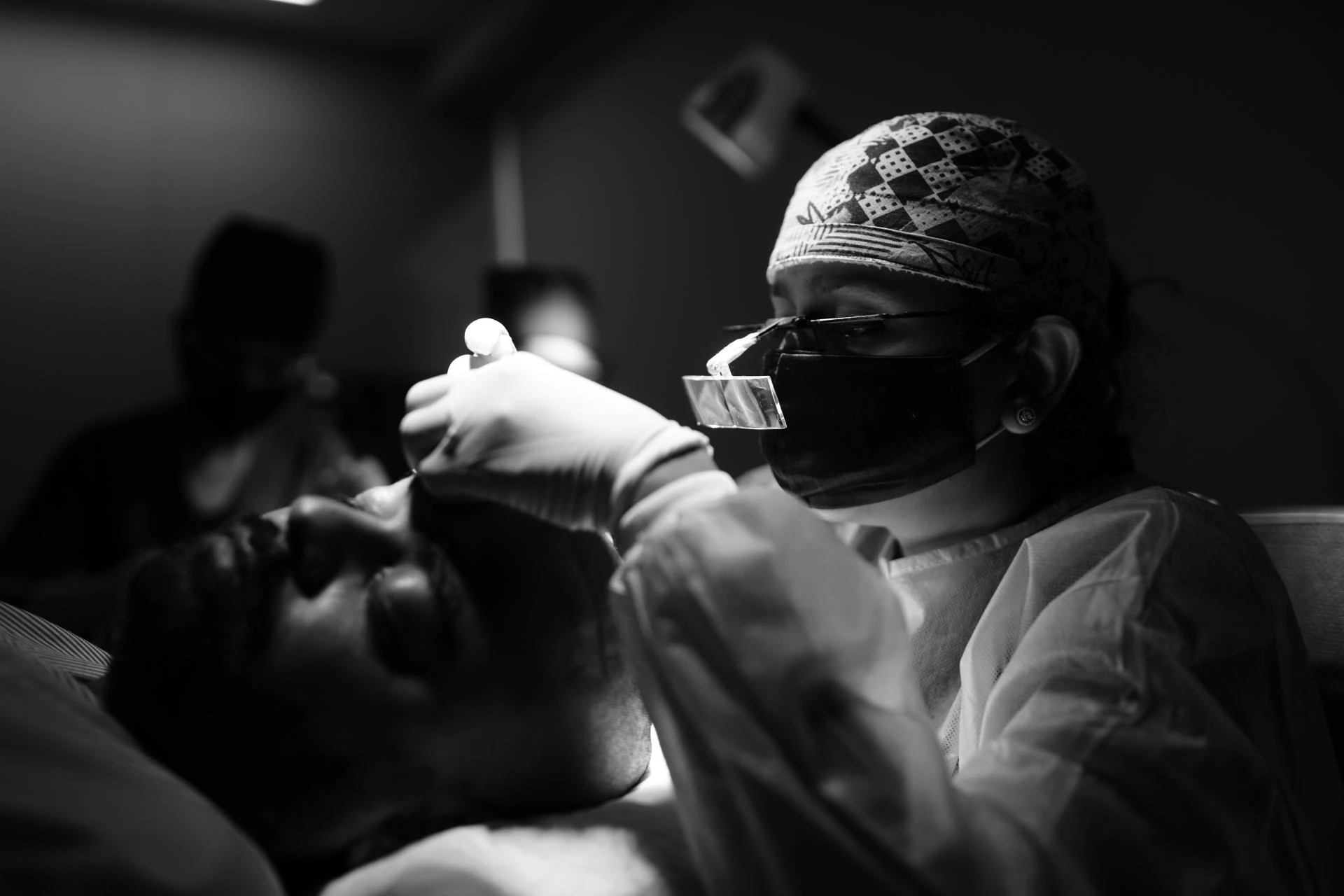
Hair replacement surgery is typically performed under local anesthesia, making the experience relatively comfortable. Depending on the number of grafts, the procedure can take several hours. Surgeons carefully place grafts at precise angles to mimic natural growth patterns. After surgery, mild swelling or redness is common, but these symptoms usually subside within a few days. Recovery instructions often include avoiding strenuous activity and following a prescribed aftercare routine.
Results and Longevity
The success of hair replacement surgery largely depends on the skill of the surgeon and the patient’s commitment to aftercare. Transplanted hair typically begins to shed within a few weeks, but new growth emerges after three to four months. Final results are usually visible after nine to twelve months, offering a fuller and more natural hairline. Since the transplanted follicles are resistant to balding, results are long-lasting, though additional sessions may sometimes be required for optimal density.
Bottom-Line
Hair replacement surgery can be life-changing for individuals struggling with hair loss, restoring both appearance and confidence. With modern techniques ensuring natural outcomes, it is a reliable option for many. However, success depends on realistic expectations, careful surgeon selection, and proper aftercare. If you are considering surgery, seek advice from a trusted specialist who can guide you through the process and help achieve the best results.





























Sign in to leave a comment.