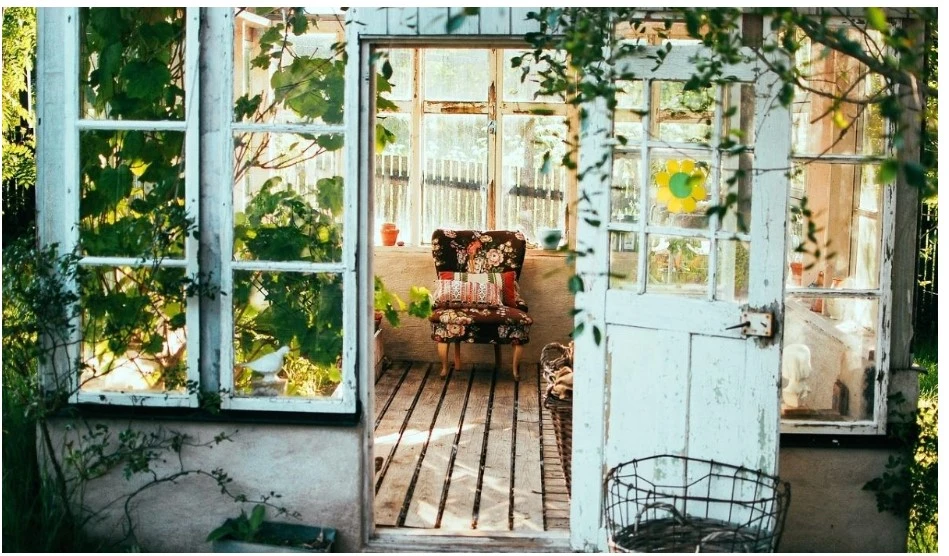
The Heritage French doors are a versatile architectural design that incorporates both classicism and contemporary functionality. The doors are designed to recreate the beauty of old period buildings and offer a sophisticated experience in durability, thermal, and security. Heritage French doors will have a lasting effect regardless of whether involved in a renovation project or a new building, and will add value to any house.
What Are Heritage French Doors?
Heritage French doors are, in essence, large glazed panels on either side of a double door that open either inwards or outwards to admit a lot of natural light into a space and to seamlessly blend with the gardens, patios, or internal rooms. In contrast with ordinary French doors, heritage doors are custom-designed to depict the traditional architectural design, i.e., narrow line of sight, symmetric windows, and traditional detailing, which are considered to harmonise with the period house.
Key Features of Heritage French Doors
Knowing the difference between heritage French doors will enable the homeowner to make informed choices. Core features include:
- Traditional designs and slim sightlines mimic classic steel or timber designs and have the added benefit of being able to use modern glazing.
- Spacious spaces of glass to permit as much light as possible, as well as panoramic views.
- Thermally-broken frames to enhance energy efficiency and comfort.
- Individually customisable colours and finishes, both classic black and anthracite and custom RAL.
- The security was increased, such as multi-point lock systems and hardened glass units.
All these factors ensure that heritage French doors are attractive to the eye and technologically modern.
Materials: Timber, Aluminium, or Hybrid
The types of materials to use on heritage French doors influence the longevity, maintenance, and performance:
- Timber: The timber heritage French doors have a traditional and warm look and give an authentic appearance. Premium hardwoods such as oak or Accoya are durable and need some form of maintenance after a certain time.
- Aluminium: A contemporary alternative, aluminium provides strength, narrow visibility, and superior thermal performance at minimum maintenance. To reduce heat loss and comply with regulations, frames are thermally broken.
- Hybrid: Hybrid doors have a classical look with exterior protection and weatherproofing of aluminium and are insulated with timber on the inside.
Both materials come with their pros and cons based on the aesthetic needs, cost, and sustainability.
Design and Customisation Options
The ability to be customised is one of the strengths of heritage French doors. Store owners have options to customise doors to match the architectural aspect and taste:
- Colour options: Standard colours, such as black, white, and anthracite grey, or custom RAL colours.
- Glazing options: Standard double glazing up to high-tech triple glazing with better thermal performance.
- Astragal bars and Georgian glazing bars to divide the glass for traditional flair.
- Door make up: single, double, including sidelights or transoms to wide openings.
The selections enable the householders to design heritage French doors that not only match the style of the building but also address the specific needs of the building.
Benefits of Installing Heritage French Doors
The selection of heritage French doors has many benefits that transcend beauty.
Enhanced Natural Light
The heritage French door glazed panels are generous to maximise daylight and prepare bright and inviting interiors. This natural light makes it more comfortable and decreases the need to use artificial light.
Higher Energy efficiency
Contemporary heritage French doors are usually thermally broken in frames and have high-performance glazing. These upgrades will enhance insulation and minimise the loss of heat and amplify the maintenance of a steady inside temperature, which will decrease energy costs.
Improved Security
Heritage French doors are not only good-looking, but also strong. Multiple-point lock systems and hardened glass enhance the security against forced entry, which gives the homeowner a sense of security.
Aesthetic and Property Value
The French doors of heritage designs are capable of raising the aesthetic value of the property greatly and provide a focus point that boosts the interior and exterior space. Their vintage nature tends to contribute to the sales value of a property, especially in a conservation or period house.
Low-Maintenance Options
Other available materials, like aluminium, give strength against weathering, corrosion, and fading. This implies that there is little maintenance - typically a mere wipe-down - done to ensure the appearance of doors is clean.
Choosing the Right Size and Configuration
In the design of heritage French doors, size and operability are crucial:
- The width and height must be balanced with the wall space and also provide unhindered views.
- French door sets may also have sidelights or fixed panels as an addition to provide additional light.
- There are threshold options, which are derived based on the choice of accessibility or step-based threshold.
Hiring a professional installer will help make sure that measurements are made correctly and the design will add some flow to the interior and harmonise with the landscaping.
Installation Process Explained
The French heritage doors are usually installed professionally, and these are the main steps:
- Site survey: Correct measurement and evaluation of the current opening.
- Door production: Customised production of doors to client specification and standards of compliance.
- Preparation: Commercial removal of old doors (where necessary), adjustment of frames, and making them fit weather-tight.
- Installation: Secure laying of the new doors, insulation, and waterproof coverings, and installation of hardware.
- Quality inspection: Protection of a good flow and correct positioning, as well as sealing.
Installation would require proper installation to guarantee longevity, energy performance, and security compliance.
Maintenance Tips for Longevity
Even though the current heritage French doors do not demand much maintenance, it is important that they are taken care of regularly to make sure that they are functional and appealing even after several decades:
- Clean glass and frames with non-abrasive products.
- Lubricate hinges and locks periodically to prevent stiffness.
- Inspect seals for wear and replace if necessary to maintain energy efficiency.
- Timber care: When using timber, it should have relevant finishes so that it is not affected by moisture and exposure to UV.
Performance and value are maintained through consistent maintenance.
Conclusion
The combination of modern technology and classical design is the ideal match for Heritage French doors. Timber-made, due to the resemblance to the natural look, or aluminium-made, due to its durability and low maintenance, such doors provide aesthetic beauty, increased natural light, energy saving, and better security. Being highly customisable and with a classic appeal, heritage French doors are an investment that will transform the appearance and purpose of any house.




























Sign in to leave a comment.