
If you recently received a notice from your water utility about your service line, you are not alone. Across Pennsylvania, utilities are identifying older lead and galvanized service lines as part of ongoing federal and state drinking water safety initiatives. As a result, many homeowners are learning about the need for a lead service line replacement and wondering what it means for their property.
Understanding how these programs work, who is responsible for the replacement, and what costs may be involved can help you make informed decisions about your home's water system.
What Is a Lead Service Line?
A service line is the underground pipe that carries water from the public water main into your home. Many homes built before 1986 may still have lead or galvanized service lines. Over time, lead can enter drinking water through these aging pipes, creating potential health risks for children and adults.
Because of these concerns, utilities across Pennsylvania are working to identify and replace older water lines through various lead service line replacement program initiatives.
Why Lead Service Line Replacement Matters
Lead exposure through drinking water can contribute to serious health concerns, particularly for children and pregnant women. Replacing aging lead pipes is one of the most effective ways to improve water quality and reduce long-term health risks.
A complete lead water line replacement removes the outdated pipe and installs a new service line made from approved materials such as copper or high-quality plastic. Full replacement is generally recommended because partial replacements may not completely eliminate the risk of lead exposure.
How to Know If Your Home Has a Lead Service Line
Many homeowners first learn about a potential lead line after receiving a notification from their water authority. You can also inspect the pipe where it enters your basement or crawl space near the water meter.
Lead pipes typically appear dull gray and can be scratched easily with a coin or key, revealing a shiny silver surface underneath. If you are unsure about the pipe material, a licensed professional can help verify the service line type and determine whether a lead service line replacement is necessary.
Understanding Lead Service Line Replacement Cost
One of the most common questions homeowners ask is about lead service line replacement cost. The total cost varies depending on several factors, including:
- Length of the service line
- Depth of the pipe
- Soil and excavation conditions
- Driveways, sidewalks, or landscaping that may require restoration
- Local permit requirements
For many residential properties, the lead water line replacement cost can range from several thousand dollars to significantly more for complex projects. However, financial assistance may be available through local utility programs and government-funded initiatives.
How the Lead Service Line Replacement Program Works
Many Pennsylvania utilities now offer a lead service line replacement program to help homeowners replace lead or galvanized service lines. Depending on the utility and funding availability, these programs may cover part or all of the replacement costs.
Program requirements vary, but homeowners are often required to:
- Confirm service line material
- Provide access to the property
- Complete required documentation
- Coordinate with the utility and contractor
Some programs replace both the public and private portions of the line, while others only cover the utility-owned section. Homeowners should contact their local water provider to understand available funding and eligibility requirements.
What to Expect During a Lead Water Line Replacement
A typical lead water line replacement involves several steps:
- Inspection and verification of the existing service line.
- Coordination with the local water authority.
- Safe excavation and removal of the old pipe.
- Installation of a new water service line.
- System flushing and testing.
- Restoration of disturbed areas such as lawns, sidewalks, or driveways.
Many residential projects can be completed within a single day, although larger or more complex properties may require additional time.
Why Pennsylvania Homeowners Should Act Now
Federal and state regulations continue to push for the removal of lead service lines across the country. Utilities are actively creating service line inventories and expanding replacement efforts to meet compliance requirements. Delaying a lead service line replacement could mean missing available funding opportunities or future program benefits.
Get Professional Help for Lead Service Line Replacement
If you have received a notification from your water authority or suspect your home may have an aging lead or galvanized service line, now is the time to take action. Working with an experienced contractor can help ensure the project is completed safely, efficiently, and in compliance with local requirements.
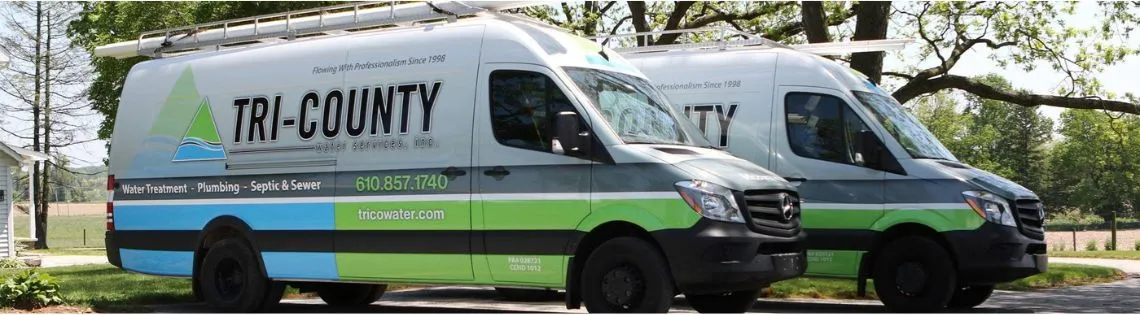
At Tri-County Water Services, we help homeowners throughout Pennsylvania navigate the lead service line replacement program, understand potential lead service line replacement cost, and complete full lead water line replacement projects with minimal disruption to their property.

























Sign in to leave a comment.