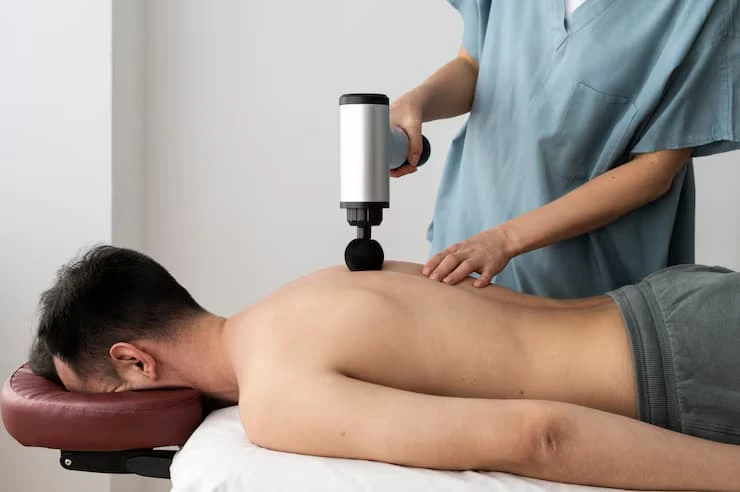

In recent years, the wellness industry has witnessed a remarkable surge in the popularity of massage gun therapy. This innovative approach to muscle recovery and relaxation has captivated athletes, fitness enthusiasts, and everyday individuals alike. The ability to relieve tension, increase circulation, and enhance overall well-being through the use of a massage gun has reshaped how people approach their physical health. This article delves into the ins and outs of massage gun therapy, exploring its benefits, techniques, and the science behind this effective recovery tool.
The Rise of Massage Gun Therapy
The concept of massage gun therapy is rooted in the principles of percussive therapy, which involves delivering rapid bursts of pressure to muscle tissue. This method has been adopted by professional athletes and physical therapists for years, but the advent of portable massage guns has made it accessible to the general public. These handheld devices utilize a combination of vibration and percussion to target specific muscle groups, offering a convenient solution for pain relief and muscle recovery.
As the demand for self-care and wellness products continues to grow, the massage gun has emerged as a staple in the homes of many. Its ease of use and effectiveness have led to a surge in innovative designs and features, catering to various needs and preferences. Whether for post-workout recovery, stress relief, or chronic pain management, massage gun therapy has become a go-to choice for individuals seeking to improve their physical health without the need for professional assistance.
Understanding the Benefits of Massage Gun Therapy
One of the most compelling aspects of massage gun therapy is its myriad of benefits. At its core, the primary advantage lies in its ability to promote muscle recovery through increased blood flow. When the body undergoes physical exertion, muscle fibers can become tight and sore, leading to discomfort. By using a massage gun, individuals can stimulate circulation, which helps to deliver essential nutrients and oxygen to the affected areas, facilitating quicker healing.
Moreover, massage gun therapy plays a significant role in reducing muscle soreness and stiffness. Delayed onset muscle soreness (DOMS) is a common experience for those engaging in intense workouts, often resulting in a few days of discomfort. The percussive action of a massage gun can alleviate this soreness by breaking down lactic acid buildup and promoting the release of endorphins, the body's natural pain relievers. This dual effect not only enhances recovery but also contributes to an overall sense of well-being.
In addition to physical benefits, massage gun therapy can also provide psychological advantages. The act of self-massaging can be inherently soothing, helping to reduce stress and anxiety levels. As individuals incorporate massage gun therapy into their routines, they often report improved mood and mental clarity. The combination of physical relief and mental relaxation creates a holistic approach to wellness that resonates with many.
Techniques for Effective Massage Gun Therapy
To maximize the benefits of massage gun therapy, it's essential to understand the proper techniques for use. While the devices are designed to be user-friendly, employing the right methods can significantly enhance the effectiveness of the treatment. First and foremost, it's crucial to identify the target muscle group. Whether focusing on the back, legs, or shoulders, pinpointing the area of tension will allow for a more focused treatment.
When using a massage gun, it's recommended to start with a low intensity setting. Gradually increasing the speed allows the body to acclimate to the sensation and reduces the risk of discomfort. Moving the massage gun slowly over the target area ensures that the percussion penetrates deep into the muscle tissue, promoting relaxation and alleviating tightness.
Incorporating dynamic movements while using the massage gun can also enhance results. For instance, gently stretching the muscle being treated while applying the massage gun can deepen the effects of the therapy. Additionally, taking breaks between sessions and allowing the muscles to rest is essential to prevent overstimulation and potential injury.
The Science Behind Massage Gun Therapy
The effectiveness of massage gun therapy is supported by a growing body of research that highlights its physiological and psychological benefits. Studies have shown that percussive therapy can significantly reduce muscle soreness and enhance recovery time. A 2014 study published in the Journal of Sports Science & Medicine found that participants who received percussive therapy experienced a notable decrease in muscle soreness compared to those who did not receive treatment.
Furthermore, the stimulation of blood flow induced by massage gun therapy has been linked to improved flexibility and range of motion. A study conducted by the American College of Sports Medicine demonstrated that individuals who used percussive therapy reported enhanced mobility in their joints, making it an invaluable tool for athletes and those recovering from injuries.
The psychological benefits are equally compelling. The release of endorphins during massage gun therapy can help alleviate feelings of stress and anxiety. This aligns with findings from various studies that suggest physical touch and manipulation of the body can produce calming effects on the mind.
Safety Considerations and Best Practices
While massage gun therapy is generally considered safe for most individuals, there are certain precautions to keep in mind. People with specific medical conditions, such as deep vein thrombosis, fractures, or severe osteoporosis, should consult a healthcare professional before using a massage gun. Additionally, it's essential to listen to one's body; if discomfort or pain occurs during use, it's advisable to stop immediately and reassess the technique or intensity.
Using the massage gun on sensitive areas, such as joints or bony prominences, should be approached with caution. Concentrating the massage gun on these areas can lead to discomfort or injury. Instead, focusing on larger muscle groups, such as the quadriceps, hamstrings, and back muscles, can yield better results while minimizing the risk of harm.
Conclusion
Massage gun therapy represents a groundbreaking approach to muscle recovery and overall well-being. Its ability to enhance blood flow, reduce soreness, and promote relaxation makes it an indispensable tool for individuals at various stages of their fitness journey. As the wellness landscape continues to evolve, incorporating massage gun therapy into one's routine can lead to significant improvements in physical health and mental clarity.
For those interested in exploring the benefits of this innovative technique, Prime Recovery offers a range of high-quality massage guns designed to cater to diverse needs. Elevate your recovery experience and embrace the power of massage gun therapy—your muscles will thank you.



























Sign in to leave a comment.