

In the world of fitness and athletics, the emphasis on performance often overshadows a critical aspect of training post workout recovery. The period immediately following an intense workout is crucial for muscle repair and overall performance enhancement. Athletes and fitness enthusiasts alike can benefit significantly from understanding and implementing effective recovery strategies. This article delves into essential tips that can help improve muscle repair, ensuring that individuals not only recover faster but also enhance their performance in subsequent workouts.
The Importance of Post Workout Recovery
Understanding the importance of post workout recovery is fundamental for anyone engaging in physical activity. During exercise, muscles undergo stress, leading to microscopic tears. This process is a natural part of building strength, but without adequate recovery, it can lead to prolonged soreness, decreased performance, and even injury.
The recovery phase is when the body repairs these tears, replenishes energy stores, and strengthens muscle fibers. Adequate recovery allows athletes to train harder and more effectively, ultimately achieving their fitness goals. Neglecting this crucial phase can hinder progress and lead to burnout or injury. Therefore, incorporating effective post workout recovery strategies is not just beneficial; it's essential.
Hydration: The Foundation of Effective Recovery
One of the most critical yet often overlooked aspects of post workout recovery is hydration. During exercise, the body loses fluids through sweat, and these losses must be replenished to facilitate proper recovery. Dehydration can impair muscle repair, increase fatigue, and negatively affect performance in future workouts.
Athletes should aim to hydrate before, during, and after their workouts. It is recommended to drink water or electrolyte-rich beverages post-exercise to replace lost fluids and restore electrolyte balance. The amount of fluid needed varies based on individual factors such as body size, exercise intensity, and duration. As a general guideline, athletes should strive to drink at least 16-24 ounces of fluid for every pound lost during exercise.
Nutrition: Fueling Muscle Repair
Nutrition plays a pivotal role in muscle recovery. Consuming the right nutrients post workout can optimize the muscle repair process and enhance overall recovery. A well-balanced meal or snack that combines protein, carbohydrates, and healthy fats is ideal within the first 30 to 60 minutes after exercise.
Protein is essential for muscle repair. It provides the amino acids necessary for rebuilding muscle fibers. Aim for a protein intake of approximately 20-30 grams within the recovery window. High-quality sources include lean meats, poultry, fish, eggs, dairy products, legumes, and plant-based protein powders.
Carbohydrates are equally important, as they help replenish glycogen stores depleted during exercise. Including complex carbohydrates such as whole grains, fruits, and vegetables will provide long-lasting energy for future workouts. A post workout meal could include a combination of grilled chicken, quinoa, and steamed broccoli for a balanced recovery option.
Healthy fats should not be neglected either. They can help reduce inflammation and support overall cellular health. Incorporating sources such as avocados, nuts, seeds, and olive oil can enhance the nutritional profile of a post workout meal.
Active Recovery: Keep Moving
While it may seem counterintuitive, engaging in light physical activity during the recovery phase can actually enhance muscle repair. This practice, known as active recovery, encourages blood flow to the muscles without placing excessive strain on them. Activities such as walking, gentle cycling, or yoga can help alleviate stiffness and promote circulation, which is essential for delivering nutrients to muscle tissues.
Active recovery sessions should be low-intensity and enjoyable, allowing athletes to remain active while giving their muscles time to recuperate. This approach can be particularly beneficial on rest days, where athletes can still engage in movement without the intensity of a full workout.
Sleep: The Body's Natural Repair Mechanism
Perhaps one of the most underrated aspects of post workout recovery is sleep. During sleep, the body undergoes critical processes that facilitate muscle repair, hormone regulation, and overall recovery. Lack of sufficient sleep can impair recovery, increase fatigue, and hinder performance.
Athletes should strive for 7-9 hours of quality sleep per night. Sleep hygiene practices, such as creating a dark and quiet sleep environment, establishing a consistent sleep schedule, and avoiding screens before bedtime, can significantly enhance sleep quality. Additionally, some athletes find that incorporating relaxation techniques, such as meditation or deep breathing exercises, before bed can help improve their ability to fall asleep and stay asleep.
Stretching and Mobility Work
Incorporating stretching and mobility exercises into a post workout routine can also support muscle repair and enhance flexibility. Stretching helps alleviate muscle tightness, improve range of motion, and prevent injuries. Dynamic stretching is particularly beneficial before workouts, while static stretching is effective post workout.
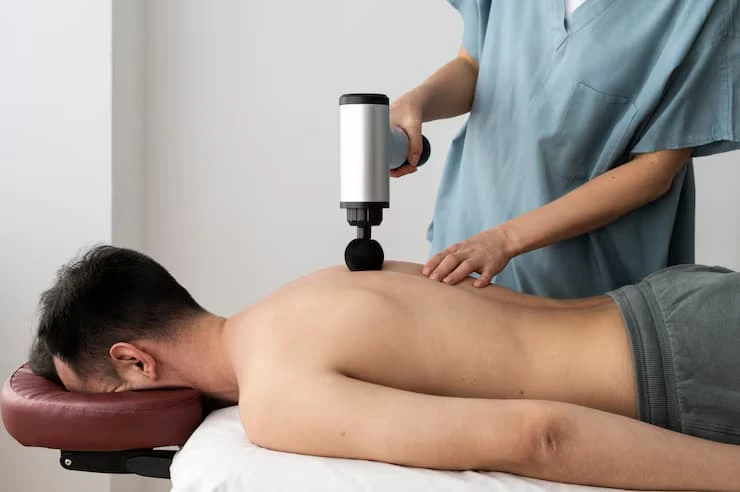
Mobility work, which focuses on improving joint range of motion, is equally important. Incorporating foam rolling or mobility drills can help release muscle tension and improve overall movement quality. Athletes should consider focusing on major muscle groups used during their workouts to maximize the benefits of stretching and mobility work.
Listening to Your Body
One of the most important aspects of post workout recovery is developing an awareness of one’s own body. Athletes should learn to recognize signs of fatigue, soreness, or potential injury and adjust their recovery strategies accordingly. Ignoring these signals can lead to overtraining, burnout, and injuries that can sideline athletes for extended periods.
Implementing regular self-assessments to gauge recovery progress can be beneficial. This may include tracking energy levels, muscle soreness, and overall performance. By understanding how their bodies respond to different workouts and recovery methods, athletes can make more informed decisions about their training and recovery strategies.
Incorporating Technology into Recovery
In today’s digital age, technology has revolutionized the way athletes approach recovery. Wearable devices, such as fitness trackers and heart rate monitors, can provide valuable insights into recovery metrics. These devices help athletes monitor their sleep quality, hydration levels, and even muscle recovery status.
Additionally, various apps and online platforms offer guidance on nutrition, hydration, and recovery techniques tailored to individual goals. Athletes can leverage these tools to optimize their post workout recovery strategies and make informed decisions based on real-time data.
Conclusion
To sum up, improving muscle repair through effective post workout recovery strategies is essential for athletes and fitness enthusiasts alike. By prioritizing hydration, nutrition, active recovery, sleep, stretching, and listening to their bodies, individuals can enhance their recovery processes and set themselves up for success in future workouts. The journey to optimal performance is not solely about pushing limits in the gym; it also requires a commitment to recovery and self-care.
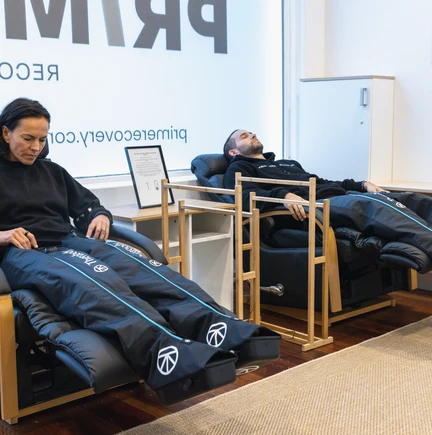
For those looking to elevate their recovery game and maximize their performance potential, Prime Recovery offers a range of expert resources and state-of-the-art facilities designed to support athletes on their journey. Don’t wait to take your recovery to the next level—embrace these tips and experience the difference today!































Sign in to leave a comment.