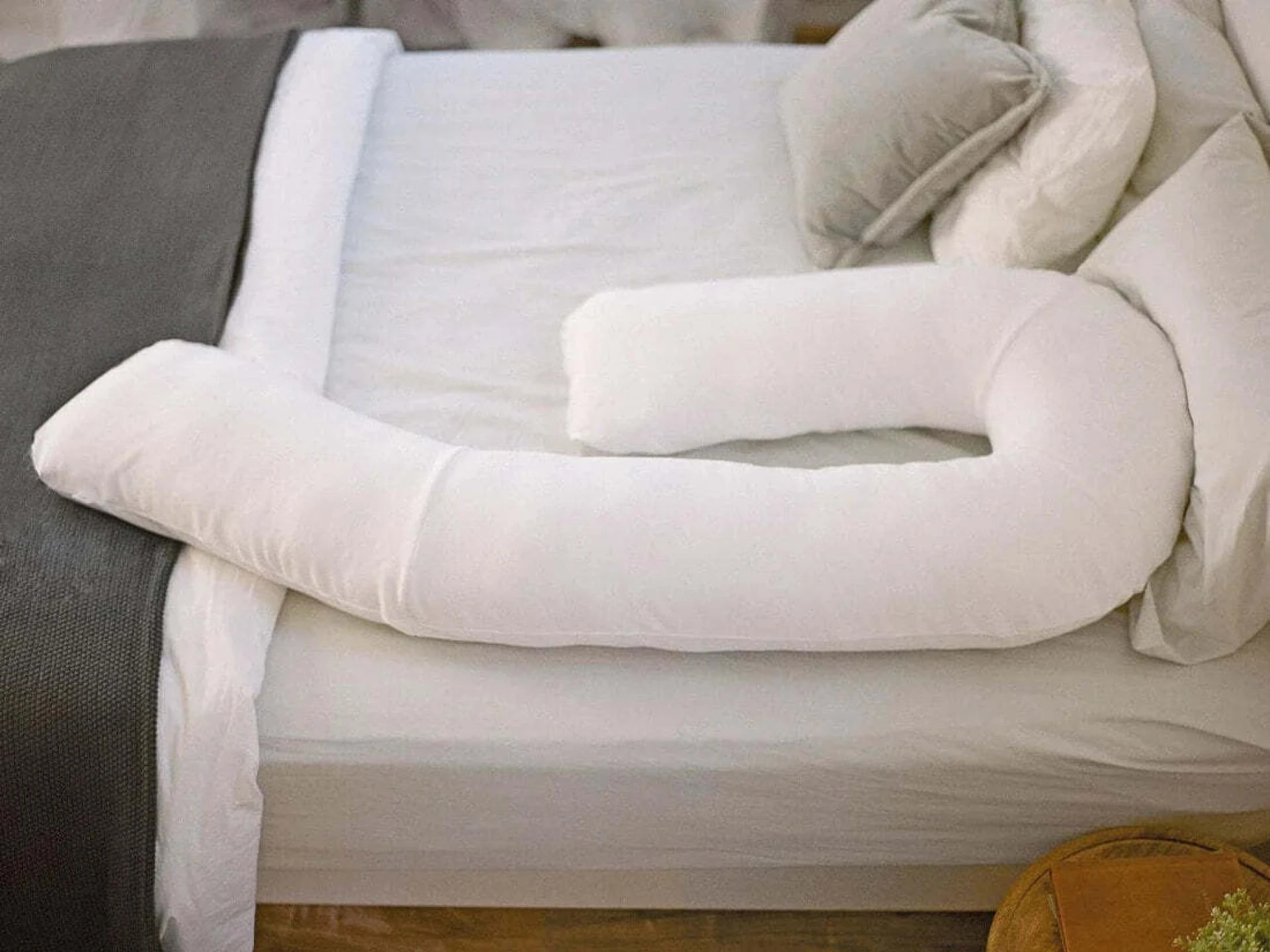

Sleeping properly and peacefully should be the norm for everyone, but sadly, that’s not the case for a lot of people. A sore neck, tight hips, or a heavy lower back can turn and twist your rest. A body pillow offers a simple fix by giving your arms and legs a steady place to relax.
Memory foam adds close contouring so your curves feel supported, not squeezed. The foam adapts to weight and warmth and then slowly returns to shape. That slow hug can calm fidgeting and reduce pressure on joints. With the right height and fabric, heat can be managed as well.
In this article I have written, you will find in the next sections about who benefits most from these memory foam body pillows, what to look for, and more. By the end, you can judge if this style fits your sleep. So, let’s get into it!
Who benefits most
Side sleepers often wake up with tender shoulders or aching hips. For many of them, memory foam body pillows can level the spine from neck to ankles and soften pressure points. Hugging the pillow keeps the top shoulder from rolling forward. Tucking part of it between the knees keeps the pelvis steady. Back sleepers who want less pull in the lower back can rest the pillow under their knees. During pregnancy, a body pillow can support the bump, the hips, and the lower back as the body changes week by week.
What memory foam does well
- Eases pressure by filling the gaps along the shoulders, waist, and knees
- Provides stable contouring that helps muscles relax
- Limits motion so the pillow stays where you place it
- Offers repeatable support from night to night when the foam quality is high
- Pairs well with washable covers for a cleaner sleep surface
The slow response is the secret. The foam molds to your shape and gives even contact. That even contact spreads weight more gently over the surface.
Limits and trade offs to consider
- Heat can build if airflow is poor
- The slow sink can feel “stuck” to some sleepers
- New foam may have a temporary smell that needs a day or two to air out
- Heavier pillows are harder to move on small beds
- A loft that is too tall or too firm can tilt the neck or twist the hips
If you sleep warm, look for ventilated foam, breathable fabric, or a shredded fill that lets air move more freely.
Solid foam vs shredded foam
Solid memory foam is one molded core. It keeps a neat shape and gives a smooth, even cradle. Many strict side sleepers enjoy the steady feel.
Shredded memory foam uses small pieces inside a zippered shell. It is lighter and easier to shape. Air pockets between the pieces improve airflow. You can remove or add fill to fine-tune height. First-time buyers often start here because it is simple to adjust at home.
Shapes and sizes that matter
Body pillows come in several layouts. Your height, bed size, and habits guide the choice.
- Straight body pillow runs the length of your torso to your ankles. It is the classic hug and knee support shape.
- C shape wraps from front to back and supports both the belly and the back. Many pregnant sleepers like this for side positions.
- U shape surrounds both sides so support follows you if you roll over. It takes more space and suits queen or king beds.
- J shape has a hook for the head and a long tail for the knees.
Pick a length close to the distance from your shoulder to your ankle. Make sure there is room on the mattress for your partner if you share a bed.
Finding the right firmness and loft
Comfort depends on body shape and sleep position.
- Shoulder width Narrow shoulders tend to like a softer or lower loft so the neck stays level. Broad shoulders need a bit more height.
- Hip curve Pronounced hips need thicker knee support to keep the pelvis level. Flatter hips need less.
- Body weight Heavier bodies compress foam more. A medium firm or firm fill works better here. Lighter bodies may prefer a medium soft feel.
- Position For side sleep, you want enough loft between the knees. For back sleep, only a small lift under the knees reduces lower back strain.
When unsure, choose an adjustable shredded model so you can tailor the fill over the first week.
Conclusion
A memory foam body pillow can be a quiet but powerful upgrade for many sleepers. It cushions sharp points, steadies side positions, and gives the lower back a break when used under the knees. The key is fit.
When and if you decide to get one, make sure that you get the right size for you. Remember that getting the loft right for your shoulders and hips is really important too. You can then try experimenting with the amount of fill the pillow can have, right until your spine and muscles start feeling better. Then protect the pillow with a good cover and a simple cleaning routine.





























Sign in to leave a comment.