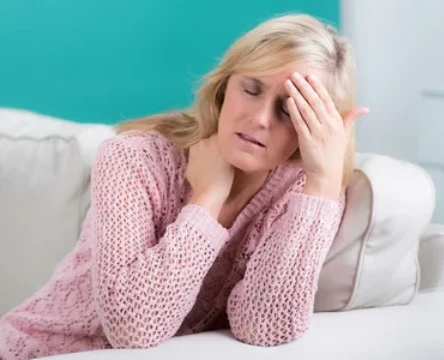

Menopause is a natural stage in a woman's life that marks the end of her reproductive years. It typically occurs in women between the ages of 45 and 55, although it can happen earlier or later. Menopause brings about significant hormonal changes in the body, which can lead to various physical and emotional symptoms. In this blog, we will explore everything you need to know about menopause, from its causes and symptoms to the available treatment options.
Causes of Menopause:
Menopause occurs when a woman's ovaries stop producing eggs and her estrogen and progesterone levels decline. This is a natural part of aging and is usually preceded by a transitional phase called perimenopause. During perimenopause, hormone levels fluctuate, and women may experience irregular periods and other symptoms before reaching menopause.
Symptoms of Menopause:
Menopause is often associated with a range of symptoms, which can vary in severity from woman to woman. Common symptoms include hot flashes, night sweats, vaginal dryness, mood swings, sleep disturbances, weight gain, and decreased libido. These symptoms can have a significant impact on a woman's quality of life, both physically and emotionally.
Health Risks and Concerns:
Menopause is associated with an increased risk of certain health conditions. The decline in estrogen levels can lead to bone loss, increasing the risk of osteoporosis and fractures. Additionally, menopause can contribute to an increased risk of heart disease, as estrogen plays a protective role in maintaining cardiovascular health. Other health concerns include an increased risk of urinary incontinence and changes in cholesterol levels.
Menopause Health Coaching:
Menopause is a significant transition in a woman's life, and navigating through it can be challenging. This is where menopause health coaching can play a crucial role. Menopause health coaches are trained professionals who provide guidance and support to women going through menopause. They help women understand the physical and emotional changes associated with menopause, develop coping strategies, and make informed decisions about their health.
Menopause health coaching focuses on various aspects of well-being during menopause, including nutrition, exercise, stress management, and hormonal balance. Coaches work closely with their clients to develop personalized plans that address individual needs and goals. They provide education on lifestyle modifications, such as dietary changes and relaxation techniques, that can alleviate menopausal symptoms and reduce health risks.
By working with a menopause health coach, women can gain a better understanding of their bodies and the changes they are experiencing. Coaches provide a safe and supportive space for women to discuss their concerns, ask questions, and explore different treatment options. They empower women to take control of their health and make informed decisions that promote their overall well-being during and after menopause.
Treatment Options:
There are various treatment options available to manage the symptoms of menopause. Hormone replacement therapy (HRT) is a common approach that involves supplementing the body with estrogen and progesterone to alleviate symptoms. However, HRT may not be suitable for everyone, and it is essential to discuss the benefits and risks with a healthcare professional.
Non-hormonal treatments, such as lifestyle modifications, herbal remedies, and alternative therapies like acupuncture, can also be effective in managing menopausal symptoms. Again, it is crucial to consult with a healthcare provider or menopause health coach to determine the most suitable treatment plan for individual needs.
In conclusion, menopause is a natural phase in a woman's life that brings about significant hormonal changes and various physical and emotional symptoms. It is important for women to be well-informed about menopause and seek support from healthcare professionals or menopause health coaches. Menopause health coaching provides personalized guidance and support, helping women navigate through this transitional period and make informed decisions about their health and well-being. Menopause health coaches are knowledgeable about the physical and emotional changes associated with menopause, and they can offer valuable insights and strategies to manage symptoms effectively.








Sign in to leave a comment.