

Understanding your fertility health can be empowering. One accessible way to gain insight into your reproductive potential is through an AMH (Anti‑Müllerian Hormone) Home Test. This simple blood test provides a snapshot of your ovarian reserve, helping you and your healthcare provider make more informed decisions about family planning, fertility treatment, or reproductive ageing.
What Is the AMH Home Test?
The AMH test measures levels of Anti‑Müllerian Hormone in your blood. In women, AMH is produced by growing follicles in the ovaries — the sacs that contain immature eggs. Because AMH levels relate to the number of these follicles, the test serves as a marker of ovarian reserve — essentially, how many eggs you may have left.
The AMH Home Test allows you to:
- Get your blood sample taken without needing a GP referral.
- Receive results quickly (typically within 1–2 working days).
- Learn more about your reproductive health in a convenient and private way.
What the Test Can Tell You
- Ovarian Reserve – Higher AMH generally suggests more remaining eggs; lower AMH suggests fewer.
- Fertility Planning – Useful for people thinking about conceiving now or in the future.
- Fertility Treatment Support – Helps fertility specialists tailor treatments like IVF.
- Reproductive Ageing – Can indicate if ovarian reserve is declining faster than expected for age.
👉 Note: AMH does not predict your exact chances of getting pregnant, the quality of your eggs, or precisely when you’ll reach menopause. It’s one piece of the fertility puzzle, not the full picture.
How Does It Work?
With the AMH home test:
- You select the AMH blood test online.
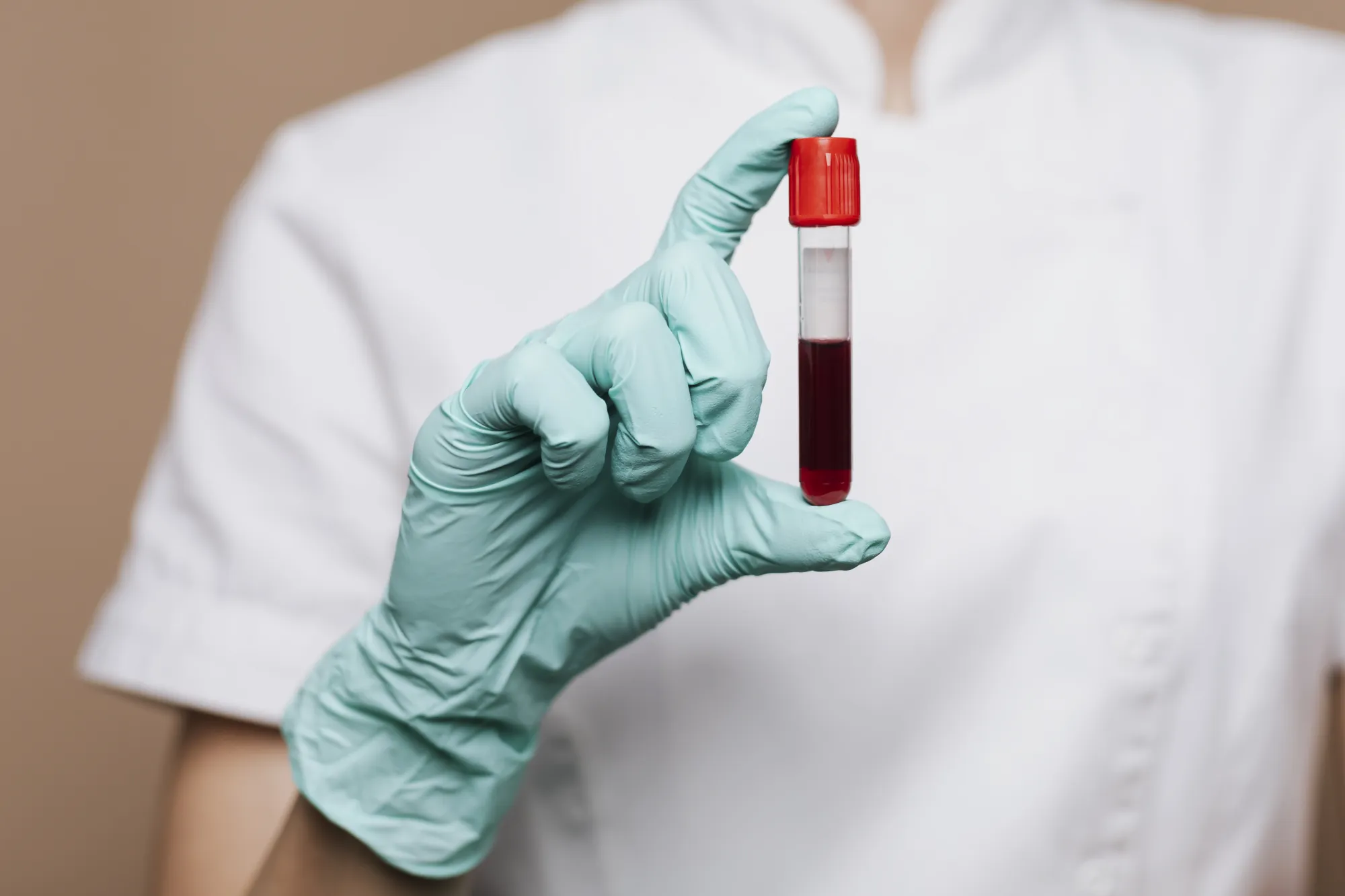
- A sample is collected (either at a lab or potentially via finger‑prick home kit options).
- Your blood is analysed for AMH levels.
- Results are delivered in a few days, ready for you and your clinician to review.
Limitations Worth Knowing
While AMH is valuable, it has limitations:
- It doesn’t measure egg quality — only quantity.
- It doesn’t guarantee pregnancy outcomes.
- Levels can vary across labs and tests, so consistent measurement methods are important for long‑term tracking.
Some research also suggests that relying solely on AMH for fertility prediction can be misleading if not interpreted in context with other clinical information.
Final Thoughts
The AMH Home Test is a useful and accessible tool for anyone looking to better understand their ovarian reserve and reproductive health. It’s especially helpful if you’re planning a pregnancy, considering fertility treatments, or simply want clarity about your reproductive timeline.
However, remember that AMH is just one of many fertility indicators. Discussing your results with a healthcare provider can help you interpret what your levels mean in the broader context of your health and plans.



























Sign in to leave a comment.