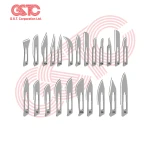

Surgical blades are an essential part of a surgeon's tool kit. Be it routine surgeries or more complex ones, surgical blades are crucial in giving the surgeon precision, safety, and efficiency. Gstc is one of the trusted manufacturers and suppliers of high-quality surgical blades that offer products that meet the needs of healthcare professionals around the world.
But what makes a surgical blade effective, and how do you choose the right one? Let's dive into the world of surgical blades and look at the different types, uses, and features that help to make surgery a success.
What Are Surgical Blades?
These are small, sharp instruments used to make accurate incisions on the skin, tissues, and organs of patients undergoing surgery. The surgical blades vary in shape and size to match other surgical operations and can be manufactured to be sterilized. Most have a handle that allows control for the surgeon when making incisions.
A good quality surgical blade should leave a clean-cut wound that doesn't create heavy tissue injury and hence results in faster and easier healing. So, therefore, it requires the use of a very sharp blade not blunted while undergoing the procedure.
Types of Surgical Blades
Surgical blades come in various sizes and shapes, each designed for specific tasks. Let’s take a look at some of the most common types:
- Scalpel Blades (Sizes #10, #11, #15): These are the most widely used blades in surgical procedures. The #10 blade is often used for larger incisions, while the #11 and #15 blades are used for smaller, more precise cuts. The #11 blade is typically used in procedures that require sharp, angled incisions, while the #15 blade is popular for making small, detailed incisions.
- Needle Point Blades (#12): This type of blade is often used in ear, eye, or dental surgeries. Its fine tip allows for precise cuts in delicate areas.
- Hook Blades (#14): These blades are used in specialized procedures, such as dissection, where the blade is pulled rather than pushed through tissue.
- Other Variations: Surgeons may also use other specialized blades for specific procedures. Each of these blades is designed with a particular shape or size to accommodate the intricacies of the surgery.
Choosing the Right Surgical Blade
The choice of the surgical blade would depend on several considerations, such as the type of procedure, the area of the body, and the preference of the surgeon. Here are some key considerations when choosing a blade:
- Sharpness: A blade should be sharp to have clean cuts. Dull blades can damage tissue and result in complications during surgery. The blades chosen must remain sharp throughout the entire procedure.
- Material: The material used, mainly high-grade stainless steel from which surgical knives are made - for durability with corrosion resistance capability so that surgical blades can undertake surgical stress hygienically.
- Size and Shape: The size and shape of the blade must match the surgical procedure. A blade that is too large can cause unnecessary damage, while one that is too small might not be effective for larger cuts.
- Sterility: Surgical blades are always packaged in sterile conditions to prevent infection during surgery. Once the sterile packaging is opened, the blade should be used immediately to ensure it remains free of contaminants.
How Surgical Blades Improve Surgical Outcomes
Surgical blades are not just tools for cutting—they play a significant role in the overall success of a surgery. Here’s how they help:
- Precision: The sharpness and design of a surgical blade allow surgeons to make accurate cuts. This precision reduces the risk of cutting surrounding tissue and minimizes bleeding, which is critical during surgeries.
- Reduced Healing Time: Clean incisions made by sharp blades reduce trauma to the tissue. As a result, the body can heal more quickly and effectively, reducing the likelihood of complications and scarring.
- Minimized Infection Risk: Blades that maintain their sharpness during the procedure minimize the need for unnecessary force, which reduces the risk of introducing bacteria into the incision site. This helps to prevent infections, which are common concerns during surgeries.
- Better Control: A well-designed surgical blade provides surgeons with the control they need for delicate operations. It allows for smooth, controlled movements, especially during intricate procedures, like eye or heart surgeries.
Innovations in Surgical Blades
As technology continues to advance, surgical blades have been developed over the years and improved for better performance and safety. Thus, one aspect of improvement in surgical blades is the development of coated surgical blades. These blades are covered with materials such as carbon or titanium, thus increasing their sharpness and endurance period at a time without wearing out. This reduces friction and makes incisions smoother.
Apart from the coated blades, disposable surgical blades are in huge demand nowadays. These blades are used once and then disposed of, so infection is at its lowest level, and there is no requirement for sterilization. Disposable blades are convenient, hygienic, and economical.
Proper Care and Handling of Surgical Blades
Though surgical blades are designed for single-use in many cases, if they are not disposable, proper care and handling are essential to maintaining their sharpness and hygiene:
- Cleaning: Surgical blades must be cleaned thoroughly after use to remove blood and tissue debris. Special sterilization techniques, like autoclaving, ensure the blades are completely free of contaminants.
- Storage: Blades should be stored in a dry, sterile environment to prevent corrosion or damage. If reusable, ensure the blade is kept in good condition to maintain its effectiveness during surgeries.
- Disposal: Disposable blades should be discarded immediately after use in a designated sharps container. This prevents accidental injury and contamination.
Conclusion
Surgical blades become the critical elements ensuring the success of surgical procedures. From sharpness to traumatic scars, they are fundamental for such operations to be performed with precision, safety, and efficiency. While choosing a surgical blade for operation, one needs to consider the size, sharpness, and material which should determine the right blade for the task. Gstc continues to offer high-quality surgical blades to meet the requirements of medical professionals worldwide, helping improve surgical outcomes and enhance patient safety.
That can be the key to knowing, by understanding what surgical blades signify and how it plays out within the operating room, so it will ensure appropriate choices that have the best result for the patient.


























Sign in to leave a comment.