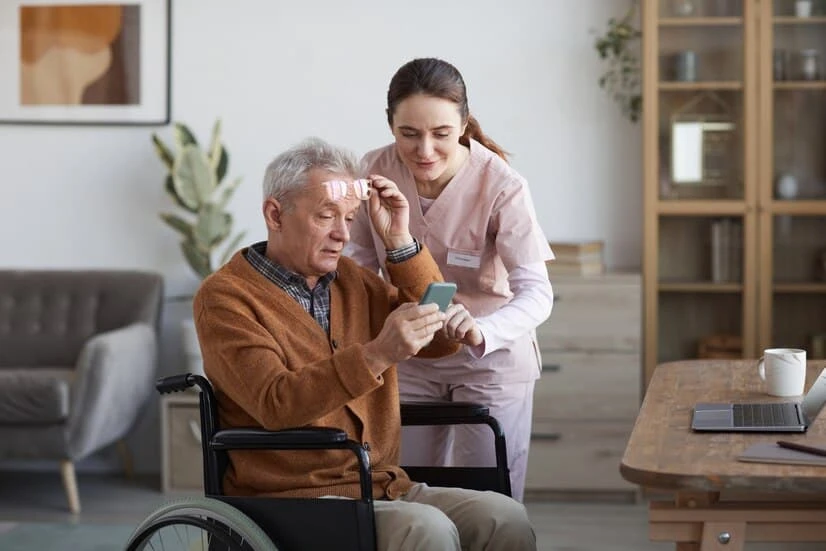

As veterans transition into their senior years, many face unique challenges that require specialized care. Veteran home care services have emerged as a vital resource, providing support tailored to the specific needs of those who have served in the military. This article explores everything you need to know about veteran home care services, including the types of care available, eligibility for benefits, and how to find the right provider.
Understanding Veteran Home Care Services
Veteran home care services encompass a range of support designed to help veterans live independently and comfortably in their own homes. These services can include personal care, companionship, skilled nursing, and assistance with daily activities. The goal is to provide the necessary support while allowing veterans to maintain their dignity and independence.
Types of Veteran Home Care Services
- Personal Care Assistance: This service includes help with daily activities such as bathing, dressing, grooming, and meal preparation. Caregivers can assist veterans in maintaining personal hygiene and overall well-being.
- Companionship: Emotional support is crucial for veterans, many of whom may experience loneliness or isolation. Companionship services provide veterans with someone to talk to, engage with, and participate in activities, which can significantly enhance their quality of life.
- Skilled Nursing Care: For veterans with medical needs, skilled nursing care is essential. This may involve administering medications, managing chronic conditions, and providing physical therapy. Skilled nurses ensure veterans receive the medical attention they require in the comfort of their homes.
- Homemaking Services: These services help maintain a clean and safe living environment. Caregivers can assist with light housekeeping, laundry, and grocery shopping, allowing veterans to focus on their health and well-being.
- Respite Care: Family caregivers often face challenges in balancing their own lives with the demands of caregiving. Respite care provides temporary relief, allowing family members to take a break while ensuring their loved ones are cared for.
- Transportation Services: Many veterans may struggle with mobility, making it difficult to attend medical appointments or social events. Transportation services can help ensure that veterans get to their appointments safely and on time.
Why Veteran Home Care is Important
Veteran home care services are essential for several reasons:
- Independence: Many veterans prefer to age in place, surrounded by familiar surroundings. Home care services allow them to maintain their independence while receiving necessary support.
- Specialized Care: Veterans often have unique needs stemming from their military service, including physical disabilities and mental health challenges. Veteran home care services provide caregivers trained to understand these specific challenges.
- Quality of Life: Access to home care can significantly enhance a veteran's quality of life. With the right support, veterans can engage in activities they enjoy, socialize with others, and maintain their overall health.
Eligibility for Veteran Home Care Services
Understanding eligibility for veteran home care services is crucial for accessing the right support. Several factors determine eligibility:
1. Service-Connected Disabilities
Veterans with disabilities directly related to their military service may qualify for additional benefits. These service-connected disabilities can influence the level of care and financial assistance available.
2. Non-Service-Connected Benefits
Veterans who do not have service-connected disabilities may still qualify for home care services through non-service-connected benefits. Programs like the VA Pension may provide financial support to help cover home care costs.
3. Income and Asset Limits
Eligibility for certain benefits may be contingent on income and asset limits. Veterans need to provide financial documentation to determine their eligibility for specific programs.
4. Assessment of Care Needs
An assessment of the veteran's care needs is often required. This evaluation helps determine the appropriate level of care and support necessary for the individual's situation.
Accessing VA Benefits for Home Care
Veterans are encouraged to explore the benefits available to them through the U.S. Department of Veterans Affairs (VA). Several programs can help cover the costs of home care services:
1. Aid and Attendance Benefit
The Aid and Attendance benefit provides financial assistance to veterans who require help with daily activities. This benefit can significantly increase a veteran’s monthly pension, making it easier to afford home care services.
2. Home and Community-Based Services (HCBS)
The VA offers a variety of home and community-based services that allow veterans to receive care in their homes. These services can include personal care, homemaking, and respite care, helping veterans live independently.
3. Veteran Directed Care
Veteran Directed Care allows veterans to take control of their care by providing them with a budget to hire their caregivers. This program is beneficial for those who prefer to choose their own care providers, whether they are family members or professional caregivers.
4. Skilled Home Health Care
Veterans may qualify for skilled home health care services through the VA. These services may include nursing care, physical therapy, and rehabilitation, ensuring that veterans receive the necessary medical attention at home.
Finding the Right Veteran Home Care Provider
Choosing the right home care provider can be a critical decision for veterans and their families. Here are some steps to help navigate this process:
1. Assess Needs
Before beginning the search, assess the specific needs of the veteran. Determine the level of care required, such as personal care, skilled nursing, or companionship. Having a clear understanding of these needs will help narrow down options.
2. Research Providers
Look for home care providers that specialize in veteran care. Check their credentials, experience, and reputation in the community. Online reviews, testimonials, and recommendations from other veterans can provide valuable insights.
3. Interview Potential Providers
Once you have a list of potential providers, arrange interviews to discuss their services, approach to care, and experience with veterans. This is also an opportunity to assess the compatibility of caregivers with the veteran.
4. Inquire About Training
Ask about the training and qualifications of caregivers. Ensure that they have experience working with veterans and understand the unique challenges associated with military service.
5. Discuss Costs and Payment Options
Understanding the costs associated with home care services is crucial. Inquire about payment options, including whether they accept VA benefits. Transparent discussions about costs will help avoid surprises down the line.
6. Review Contracts Carefully
Before signing a contract, review it carefully. Ensure that all services discussed are included and that there are no hidden fees. It’s essential to have a clear understanding of what to expect.
The Role of Family Caregivers
Family caregivers often play a vital role in supporting veterans. While professional home care can provide essential services, family members are often the first line of support. Here are some ways family caregivers can help:
- Emotional Support: Family members can provide companionship and emotional support, helping veterans cope with feelings of isolation.
- Assistance with Coordination: Family caregivers can help coordinate medical appointments, manage medications, and ensure that veterans receive the necessary care.
- Advocacy: Family members can advocate for the veteran’s needs, ensuring they receive the services and benefits they are entitled to.
Conclusion
Veteran home care services are essential for supporting the unique needs of those who have served in the military. From personal care assistance to skilled nursing, these services provide veterans with the support they need to maintain their independence while enhancing their quality of life. Understanding the available benefits and how to access them is crucial for veterans and their families.
For those seeking compassionate and dedicated care tailored to veterans, Care Crew Home Care is committed to providing exceptional services designed to meet the specific needs of veterans. Contact them today to learn how they can assist in navigating veteran home care services effectively.




























Sign in to leave a comment.