
Has the dentist suggested that you get a root canal? Before moving forward, are you trying to get all the facts you need about a root canal service procedure?
This content includes everything you need to know about root canals in London, including the procedure, symptoms, and how it may save your smile and ease tooth discomfort. Come along and examine each section. Let's read!
A Root Canal: What Is It?
Three layers compose teeth:
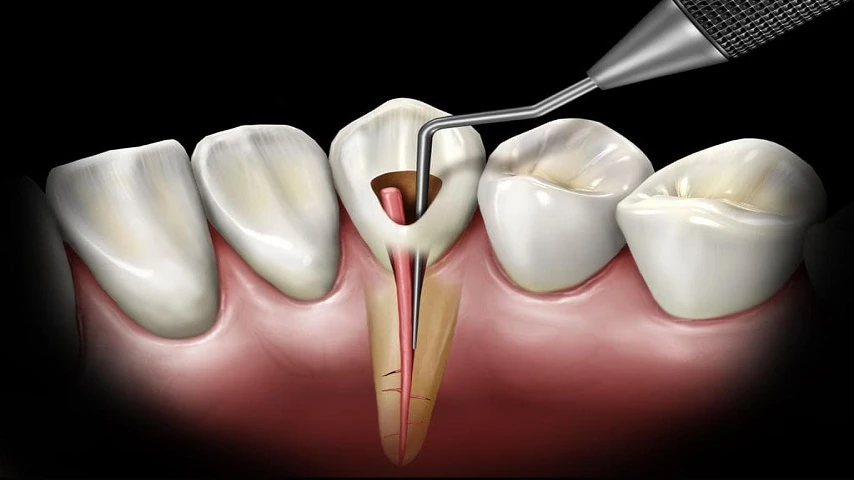
Enamel on the surface, Dentin on the inside,And a soft center that extends to the jawbone's root. This core contains the dental pulp, which consists of nerves, blood vessels, connective tissue, fibroblasts, and odontoblasts.
The pulp gets irritated or diseased and dies when the degradation reaches the softcore. This must be corrected, and to save the tooth and remove the decay, a root canal is required.
A root canal is a procedure used to treat an infected tooth's root canal by removing germs and stopping the infection from spreading.
After removing the diseased pulp, the dentist cleanses and disinfects the inside of the tooth before inserting a filling to close the opening. This procedure keeps the native tooth intact.
So how can you determine whether you need a root canal?
How would you determine if the pulp is contaminated?
Let's examine the signs that you could need a root canal in greater detail.
Symptoms That A Root Canal Needed?
The best way to determine whether you need a root canal is to consult your dentist. But be alert for these warning signs—the earlier you identify them, the more your tooth may be restored and treated.
The symptoms are as follows:
Continuous toothacheFood sensitivity to both heat and coldDiscoloration of teethSwollen the gumsWhen you touch the tooth, it hurts.A fractured or chipped toothThe tooth feels loosenedGum acneSevere discomfort when biting or chewingTo confirm the diagnosis, your dentist will inspect the tooth and take X-rays.
How Are Root Canals Carried Out?
A root canal specialist in London would be done by an endodontist or the top dentist in London. Endodontists are highly qualified dental professionals who only address issues about the pulp of the teeth.
Your regular dentist could advise you to consult an endodontist if your root canal situation is complex.
They will do an X-ray to check for bone infection. It will also assess the root canal's shape. The region around the tooth will be made numb by local anesthetic. The anesthetic will prevent you from experiencing any pain, but you will still be conscious during the process.To keep the region dry and saliva-free during the procedure, the dentist will surround the tooth with a rubber dam.Once the tooth is numb, a drill or a laser (Light Amplification by Stimulated Emission of Radiation) is used to make a little aperture at the top of the tooth, known as the crown. The dentist or endodontist will then remove the injured pulp and germs using specialized dental instruments known as "Files" and clean the region." Additionally, the sidewalls of the root canal are cleaned and scraped. Water or sodium hypochlorite will be sprayed in the area to wash away the debris while the treatment is being done.Once the dentist or endodontist cleans and prepares the region, they will use a biocompatible substance to fill the root canals. This substance is gutta-percha. Next, a block of adhesive cement is put on the gutta-percha to guarantee perfect root canal closure. After that, a filler is put into the first hole that was made. Finally, the endodontist or dentist will decide on any further restorative treatment that may be required for your tooth. For example, placing a crown or making other repairs can protect the tooth and prevent it from breaking.Is Having A Root Canal Painful?
Since a root canal near me is a serious surgery, some discomfort is common after one. Deep cleaning of the canals during a root canal procedure may irritate nearby gums and nerves until the procedure is healed. But this suffering is not permanent.
You'll receive over-the-counter painkillers to help with the mild pain after a root canal procedure.
The dentist should be seen for any discomfort that is chronic and lasts longer than it should.
Following A Root Canal, What Happens?
The tooth may feel sensitive for the first few days after a root canal because of inflammation in the surrounding tissue. However, that should only endure for a few hours, or even a few days.
However, how well you take care of your teeth will determine how long the benefits endure. Following a root canal procedure, some essential tasks include:
For a short while following the procedure, try not to chew on the tooth.Use mouthwash, floss, and brushes Visit your dentist regularly.Root Canal Before And After
Your dental health will improve following a root canal specialist near me since it can stop tooth loss, shield your teeth from infections, and stop the deterioration of the jawbone.
You can detect a difference in the state of your teeth in the before and after photos of the root canal because it strengthens your teeth against strain and stress and adds a layer of defense against more decay.
A London Root Canal Specialist
London is home to several root canal dentists. However, the root canal specialist can wind up being your best choice since they always put your comfort first and strive to give you a range of high-quality, effective dental care treatments at affordable costs, sometimes with dental insurance coverage, all under one roof.
The Approximate Cost Of A Root Canal In London, Ontario
The complexity of the procedure or which tooth needs it determines how much a root canal costs in Ontario. Molars are challenging to cure, which raises the expense of the root canal.
Because endodontic therapy does not include tooth extraction, it is typically less costly than natural tooth repair.
Why Does The Root Canal Procedure Need Many Appointments At Times?
When the root canal dentist suggests placing a crown or recommending a permanent tooth filling, the root canal procedure may need many appointments.
The dentist makes sure that your tooth is thoroughly cleaned, sealed, and shielded from further deterioration throughout these sessions.
What Is The Duration Needed For A Root Canal Procedure To End?
If the dentist has suggested a permanent tooth filling, two conditions must be met for this procedure to proceed.
It will take 90 minutes to three hours for each session. On the other hand, a straightforward root canal may be finished in 30 to 60 minutes.
Summary
The procedure will provide you with a lifetime of pain alleviation even if it does cause some slight discomfort and anxiety.
Recommend that you see your dentist right away to receive a diagnosis if you've been having any of the aforementioned symptoms.
When the root canals in London dentists suggest placing a crown or recommending a permanent tooth filling, the root canal procedure may need many appointments. The dentist makes sure that your tooth is thoroughly cleaned, sealed, and shielded from further deterioration throughout these sessions.





























Sign in to leave a comment.