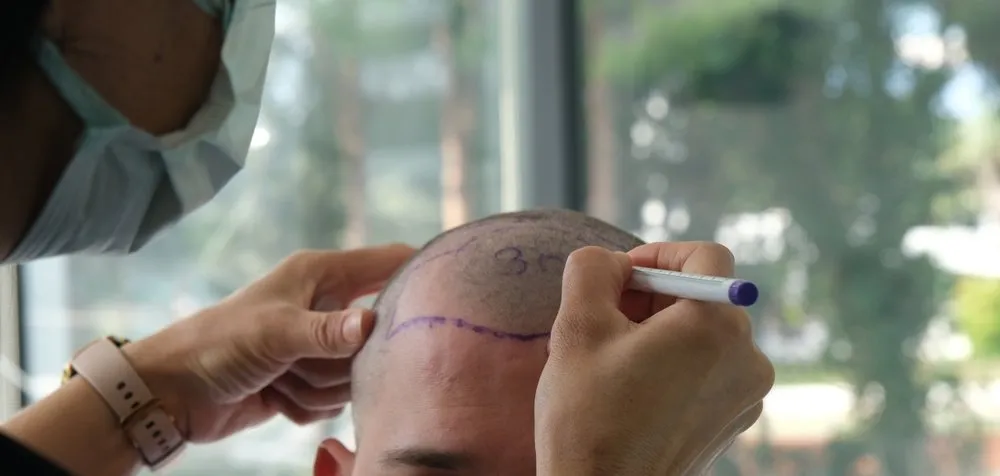

Deciding to go ahead with hair transplant surgery is a big step, and it helps to understand what actually happens before, during, and after the procedure. Clear expectations make the process feel far less intimidating, and knowing what to ask during a consultation can save both time and money in the long run.
Before the Procedure: Consultation and Planning
Most clinics start with a consultation to assess hair loss pattern, scalp condition, and donor area density. This is also when patients typically discuss hair transplant cost Toronto, since pricing depends on the number of grafts needed and the technique chosen. A thorough consultation should never feel rushed, as it sets the foundation for realistic results. This is also a good opportunity to ask about the surgeon's experience, past patient outcomes, and what a realistic graft count might look like for your specific hair loss pattern.
What Happens During Surgery
On the day of the procedure, local anesthesia is used, so patients remain awake but comfortable throughout. The surgeon extracts healthy follicles from the donor area, usually the back of the scalp, and places them carefully into thinning or balding sections. This is where surgical hair transplant techniques differ. Some methods remove individual follicles, while others take a thin strip of tissue, and the right choice depends on hair type, goals, and scalp elasticity. Procedures can take anywhere from four to eight hours depending on the number of grafts involved.
Why FUE Has Become a Popular Choice
FUE hair transplant procedures have become especially popular because they leave minimal scarring and allow for quicker recovery. Grafts are extracted one at a time using a small punch tool, which means no linear scar and less downtime compared to older strip methods. This makes it a practical option for people who like to keep their hair short or shaved.
Recovery and Aftercare
Recovery generally involves a short rest period, mild swelling, and specific aftercare instructions like avoiding strenuous exercise for a week or two. Most people return to normal daily activities within a few days, though visible results take several months to develop fully. Gentle washing techniques are usually introduced a few days after surgery to keep the scalp clean without disturbing the new grafts.
Understanding the Cost Factor
Cost is often a deciding factor for many patients. A 5000 grafts hair transplant cost will naturally be higher than a smaller session, since pricing is usually tied to graft count and the complexity of the case. It's worth getting a detailed quote rather than comparing flat rates across clinics, since technique, clinic location, and surgeon experience all affect both price and outcome.
Choosing the Right Clinic
Choosing the right hair transplant clinic matters just as much as the technique itself. Look for board-certified surgeons, before-and-after galleries from real patients, and transparent consultations that don't pressure you into an immediate decision. Toronto Hair Transplant Surgeons, for instance, walks patients through expected timelines and realistic outcomes before any commitment is made, which helps set the right expectations from day one.
Whether you're dealing with a receding hairline, thinning crown, or overall hair loss, understanding how hair grafting surgery works from start to finish helps you ask better questions and set expectations that match reality, rather than relying on guesswork or rushed decisions.

























Sign in to leave a comment.