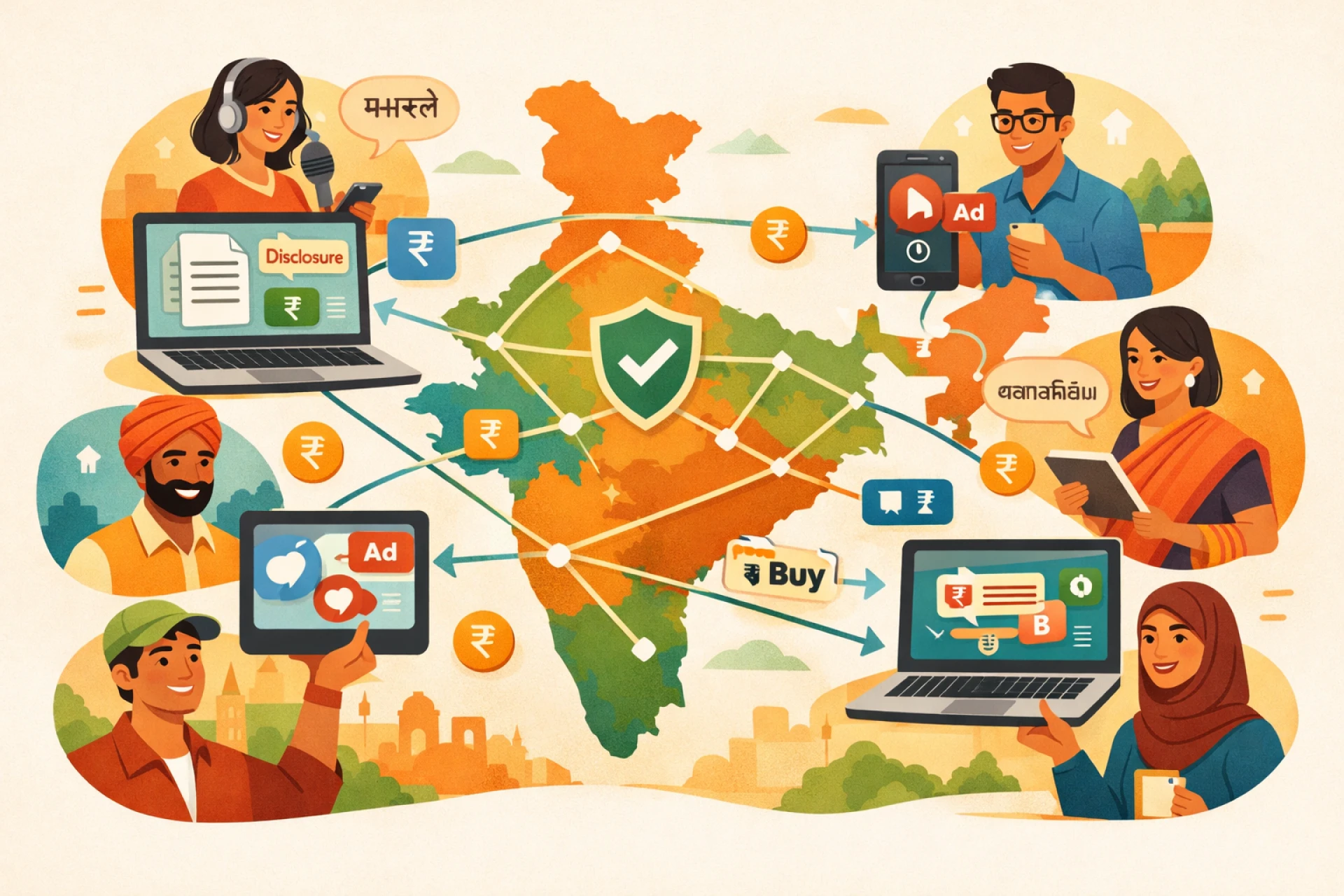

In the last decade, the landscape of digital commerce in India has undergone a subtle but significant transformation. Amid the growing shift to online shopping and service discovery, affiliate marketing has emerged as an interesting layer within the broader e-commerce ecosystem. I’ve watched this space grow, diversify, and encounter its own unique set of opportunities and challenges. Here, I’ll share some observations and real-world insights, hoping to provide a clear, experience-driven perspective on what makes the Indian affiliate space both fascinating and, at times, misunderstood.
Everyday Encounters: The Face of Affiliate Marketing
On the surface, affiliate marketing in India might seem much like its Western counterpart: websites, bloggers, and social media influencers recommending products or services, earning a commission on resulting sales. However, the day-to-day realities can differ considerably. For instance, many small-town creators who’ve recently gained access to fast internet often ask whether affiliate links are “safe” or worry that their audiences will distrust product mentions.
One common question I’ve encountered relates to the transparency of affiliate partnerships. People often wonder if mentioning an affiliate relationship is necessary, or if it might deter readers. In my experience, Indian audiences are becoming increasingly media-savvy. Disclosures, when stated plainly, rarely harm credibility. Instead, they can enhance trust if handled without fanfare.
Misconceptions and Realities
A prevailing misconception is that affiliate marketing is a shortcut to passive income. The reality is less glamorous. Newcomers sometimes expect instant results, only to find that meaningful earnings require sustained effort, content quality, and sometimes even technical know-how. For example, some users believe that simply pasting links on WhatsApp groups or Facebook pages will generate steady commissions. In practice, consistent engagement and genuine content whether a thoughtful review or a personal story remain the foundation.
Another observation is the assumption that affiliate marketing is reserved for tech-savvy, English-speaking urbanites. Yet, regional language creators are finding success by targeting niche audiences. This trend reflects a broader democratization of digital opportunities, especially as more tools and platforms offer support in multiple Indian languages.
A Closer Look: Comparing Traditional and Digital Pathways
To illustrate the dynamics, consider the difference between traditional word-of-mouth recommendations and their digital affiliate counterparts. In a small town, a local shop owner might suggest a particular soap to customers, building trust through face-to-face interaction. Affiliate marketing, in contrast, digitizes this relationship. The core principle trust remains, but the medium shifts. For many Indian creators, adapting their natural communication style to online formats is both the biggest challenge and the most rewarding aspect.
Navigating the Regulatory and Practical Landscape
There’s a growing awareness in India about the need for clear guidelines around affiliate disclosures, especially as influencer marketing gains traction. Some platforms have started nudging creators to add disclaimers, and readers are slowly learning to recognize them. Still, from what I’ve seen, the regulatory framework is evolving, and many participants remain unsure about best practices.
It’s also worth noting that payment cycles, tracking reliability, and platform support can vary widely. Smaller creators sometimes face delayed payouts or struggle with non-intuitive dashboards. These hurdles, while frustrating, have led to the rise of online communities where users share tips, vent frustrations, and swap experiences in real time.
Contextual Perspectives: Learning From Broader Developments
To appreciate the contours of this evolving space, it helps to glance at broader discussions such as those summarized in the post on how affiliate partnerships are developing in India’s digital economy. These kinds of contextual overviews can clarify how local trends mirror or diverge from global patterns, and why affiliate models are gradually being accepted as a legitimate part of the creator economy.
Conclusion
From the vantage point of someone observing and occasionally participating in India’s affiliate marketing journey, the story is one of cautious optimism. The path is rarely straightforward, and the learning curve can be steep. Yet, as more people experiment, adapt, and share their stories, the affiliate ecosystem in India continues to mature one post, review, or recommendation at a time. The value, ultimately, lies not in instant results, but in the slow, steady cultivation of trust and relevance in a rapidly shifting digital world.





























Sign in to leave a comment.