Depression is a serious mental health condition that affects millions of people globally. While medications can be highly effective, not everyone prefers or responds well to them. For many individuals, exploring non medication treatment for depression offers a safe and holistic alternative. These approaches focus on lifestyle changes, therapy, and natural methods that promote long-term emotional well-being without relying solely on prescriptions.
Understanding the Need for Alternatives
Antidepressant medications are commonly prescribed, but they may come with side effects such as fatigue, weight gain, or sleep disturbances. Moreover, some people may not achieve the desired results from medication alone. This is where non medication treatment for depression can play a crucial role by offering practical strategies that enhance mood, improve coping mechanisms, and support overall mental health.
Therapy-Based Approaches
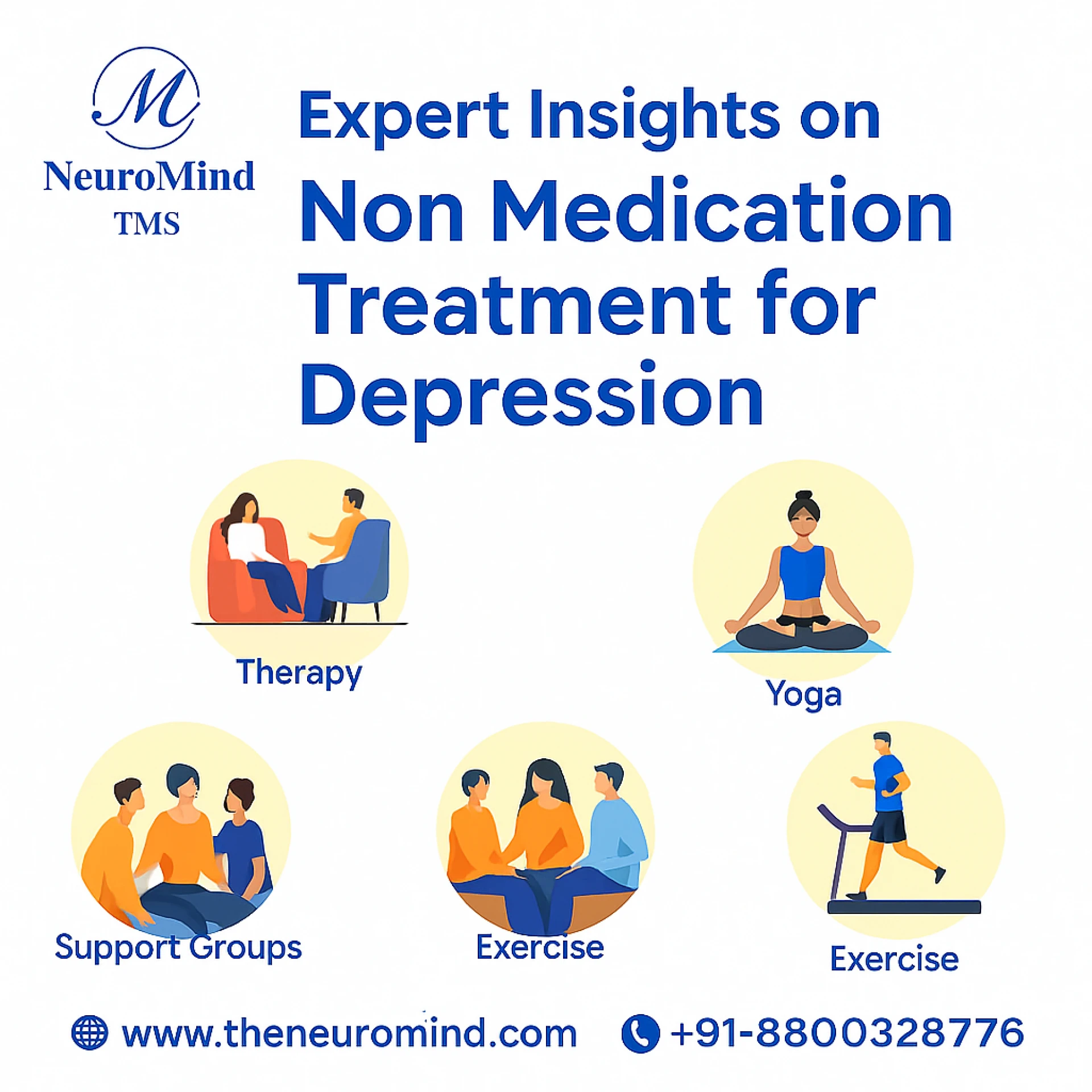
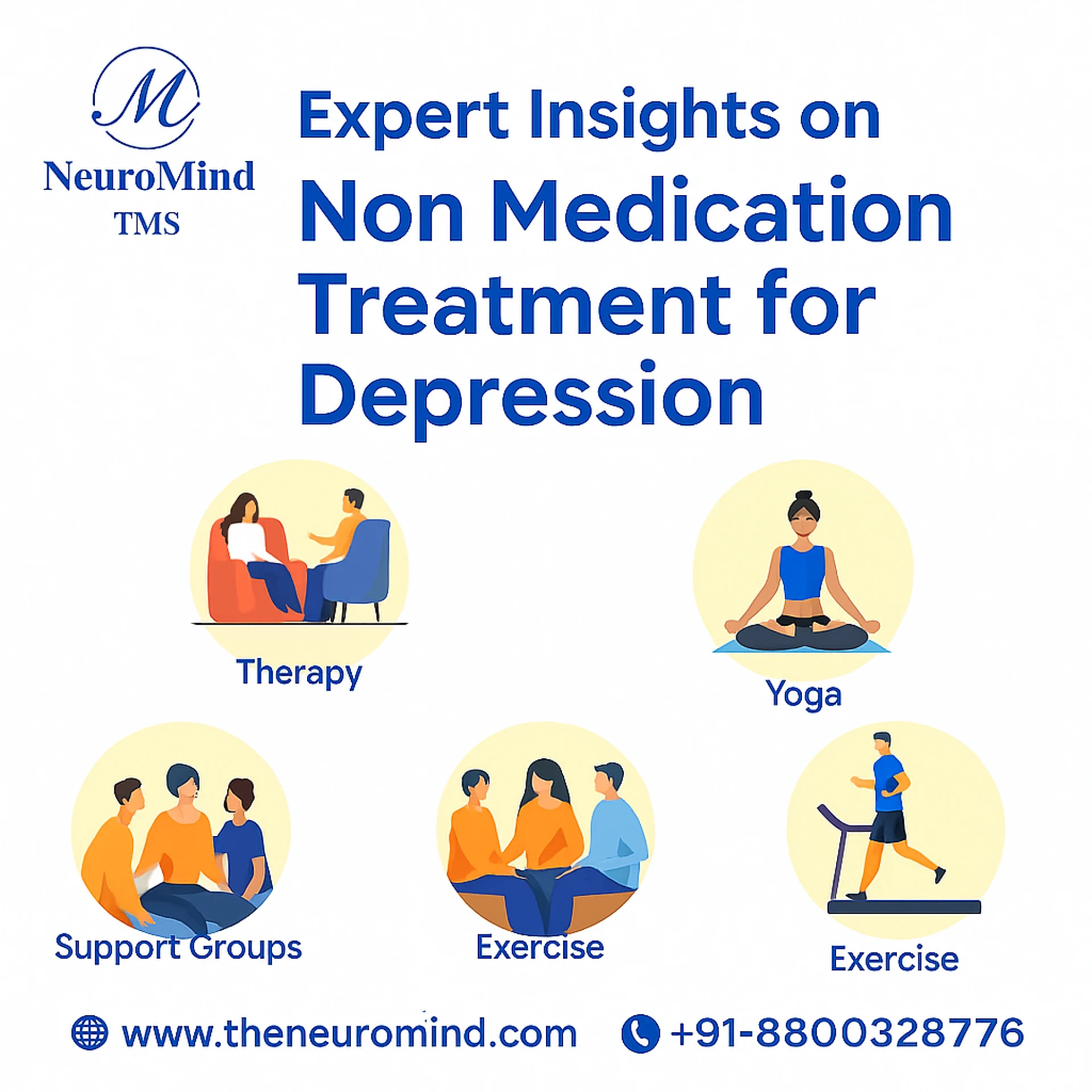
One of the most effective non-medication options is psychotherapy. Cognitive Behavioral Therapy (CBT), for instance, helps individuals identify and change negative thought patterns that fuel depression. Interpersonal Therapy (IPT) focuses on improving relationships and communication, while mindfulness-based therapies encourage present-moment awareness to reduce stress and anxiety. These therapies not only provide immediate relief but also build resilience for the future.
Lifestyle Modifications
Simple lifestyle changes can have a significant impact on depression management. Regular exercise releases endorphins that naturally improve mood. A balanced diet rich in omega-3 fatty acids, vitamins, and minerals supports brain health. Adequate sleep and structured daily routines also help regulate emotional stability. These strategies make non medication treatment for depression highly practical and sustainable in everyday life.
Alternative and Holistic Therapies
Mind-body practices such as yoga, meditation, and deep-breathing exercises are increasingly popular for their calming effects. They reduce stress hormones and promote relaxation, which are essential in managing depressive symptoms. Additionally, practices like acupuncture, massage therapy, and light therapy have shown promising results for some individuals.
Social Support and Connection
Depression often leads to isolation, which can worsen symptoms. Building strong social support networks — through family, friends, or support groups — provides a sense of belonging and encouragement. Sharing experiences with others who understand your struggles can be a powerful form of healing without relying on medication.
The Role of Technology in Healing
Digital mental health tools, such as therapy apps and guided meditation platforms, are making treatment more accessible. These resources provide ongoing support and can complement other non medication treatment for depression strategies by keeping individuals engaged in their healing process.
Final Thoughts
Recovering from depression is not a one-size-fits-all journey. While medication helps many, non-medication approaches offer equally valuable alternatives for those seeking a natural, holistic path to recovery. By combining therapy, lifestyle adjustments, and supportive practices, individuals can take meaningful steps toward emotional well-being.
If you or a loved one are struggling, remember that depression is treatable, and seeking help is the first step. With the right combination of support and non medication treatment for depression, healing and hope are within reach.
Reference: Expert Insights on Non Medication Treatment for Depression























Sign in to leave a comment.