

Injuries can disrupt your lifestyle, limit your mobility, and delay your return to daily activities or competitive sports. Whether you've suffered a sports-related injury or have been involved in an accident, regaining strength, balance, and function is essential to a full recovery. If you're searching for a trusted physiotherapist in Edmonton, it’s important to choose a clinic that offers a personalized, evidence-based approach designed to restore optimal function and get you back on your feet with confidence.
Understanding Physiotherapy: Your Path to Recovery

Physiotherapy is more than just exercise. It is a science-driven practice that involves the evaluation, diagnosis, and treatment of physical impairments, functional limitations, and movement disorders. By addressing underlying causes, rather than just symptoms, physiotherapy ensures lasting recovery and long-term wellness.
Expert physiotherapists utilize manual therapy, movement retraining, patient education, and advanced modalities to target soft tissue injuries, joint dysfunction, neurological impairments, and more. Whether it’s a sprained ankle, whiplash, or a rotator cuff tear, physiotherapy plays a crucial role in speeding up the healing process while preventing future injury.
Sports Injury Rehabilitation
Sports injuries are incredibly common among athletes and active individuals. These injuries often affect the muscles, ligaments, tendons, and joints, and can range from minor sprains to severe tears requiring extensive rehabilitation. Common sports injuries include:
- ACL tears
- Hamstring strains
- Shoulder dislocations
- Tennis elbow
- Shin splints
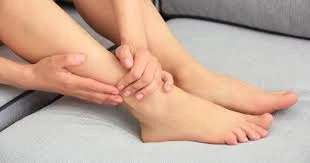
- Ankle sprains
Rehabilitation for sports injuries involves more than just rest. It includes specific interventions tailored to the demands of your sport or activity. An expert physiotherapy program for athletes includes biomechanical assessments, flexibility and mobility training, neuromuscular re-education, proprioceptive exercises, and progressive strengthening routines.
Accident Recovery and Trauma Rehabilitation
Motor vehicle accidents, slips, and workplace injuries can lead to acute and chronic musculoskeletal pain. Physiotherapy plays a vital role in managing pain and inflammation, restoring range of motion, and re-training muscles that have become weak or deconditioned due to injury.
A comprehensive accident rehabilitation plan includes:
- Initial pain management
- Gentle joint mobilization
- Postural training
- Core stability work
- Ergonomic advice for daily activities
With the guidance of a physiotherapy team that understands the complexities of accident-related trauma, patients can achieve faster recovery, reduced pain, and improved function.
Customized Treatment Plans
No two injuries are the same, and recovery plans should reflect that. A tailored physiotherapy program begins with a detailed assessment. This includes:
- A full physical examination
- Medical and injury history review
- Functional movement screening
- Strength and flexibility evaluation
Based on the findings, the physiotherapist designs a treatment strategy that evolves as the patient progresses. This customized plan often includes a mix of:
- Manual therapy
- Therapeutic exercises
- Stretching routines
- Patient education
- Progress tracking and goal setting
Advanced Modalities in Physiotherapy
To support and accelerate recovery, physiotherapy clinics often utilize modern treatment modalities. These can include:
Shockwave Therapy: Helps stimulate tissue regeneration and break down scar tissue in chronic conditions like plantar fasciitis or tendonitis.
Laser Therapy: Reduces inflammation and encourages healing at the cellular level. Especially effective for soft tissue injuries and arthritis.
Dry Needling / Intramuscular Stimulation (IMS): Releases myofascial trigger points to relieve chronic pain and improve mobility.
Ultrasound Therapy: Promotes deep tissue healing by increasing blood flow and reducing inflammation.
Electrical Muscle Stimulation (EMS): Re-educates muscles and enhances strength post-injury.
These technologies are integrated seamlessly into rehab programs to support outcomes and ensure patients recover quickly and safely.
Post-Surgical Rehabilitation
Post-operative care is a critical phase of recovery, especially after orthopedic surgeries like ACL reconstruction, joint replacements, or rotator cuff repairs. Physiotherapy ensures that recovery is structured, safe, and progressive. Key components of post-surgical rehabilitation include:
- Scar tissue mobilization
- Strength rebuilding
- Joint stabilization
- Gait retraining
- Swelling and inflammation control
A physiotherapy-guided post-surgical recovery helps reduce the risk of complications, minimizes downtime, and improves long-term results.
Return-to-Sport Training
For athletes, the ultimate goal is not just recovery — it’s returning to peak performance. Return-to-sport rehabilitation is a targeted program that bridges the gap between healing and high-performance movement. It includes:
- Plyometric training
- Agility drills
- Endurance conditioning
- Sport-specific movement re-patterning
- Mental readiness training
Athletes are assessed not only for their ability to return but also for their readiness to prevent re-injury.
Preventative Physiotherapy
Injury prevention is a crucial aspect of physiotherapy. By identifying and addressing biomechanical faults, muscle imbalances, and improper movement patterns, physiotherapists help reduce the risk of injury in the first place. Preventative care includes:
- Strength and flexibility programs
- Movement screening for athletes
- Education on posture and alignment
- Customized warm-up and cool-down routines
Preventative physiotherapy benefits not just athletes but anyone who wants to live an active, pain-free lifestyle.
Holistic Health and Recovery
A holistic view of physiotherapy encompasses not only the physical components of healing but also mental and emotional wellbeing. Physiotherapists educate and empower patients, fostering a collaborative environment where patients take an active role in their recovery. This patient-centered model enhances motivation, improves adherence to rehab programs, and promotes long-term health.
Why Choose a Professional Physiotherapy Clinic
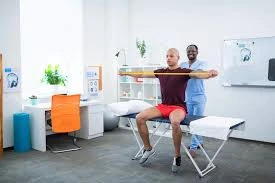
Choosing the right physiotherapy clinic makes all the difference. A clinic that combines clinical excellence, patient education, and advanced tools offers better outcomes. The ideal physiotherapy environment includes:
- Highly trained and experienced professionals
- Up-to-date equipment and modalities
- A welcoming and supportive atmosphere
- Collaborative care between physiotherapists, kinesiologists, and support staff
When the patient feels heard, supported, and challenged, the path to recovery becomes more efficient and empowering.
Empowering Every Patient
Whether recovering from a sprain or training to return to competitive sport, patients deserve a team that listens to their goals and designs a clear roadmap for success. Expert physiotherapists work with each individual to set milestones and celebrate progress at every stage of recovery. With consistent care and focused effort, patients often exceed expectations and regain confidence in their physical abilities.
The Role of Education in Healing
Physiotherapy isn't just about treatment—it's about learning. Patients gain knowledge about their body mechanics, how injuries occur, and how to prevent them in the future. With this awareness, they are empowered to make healthier decisions long after the physiotherapy sessions are over. Education is a pillar of long-term recovery and overall wellness.
Conclusion: Reclaim Your Strength
Recovery after injury isn’t just about returning to normal — it’s about coming back stronger. With the right treatment plan, compassionate care, and expert knowledge, full recovery is possible. Whether you’re a weekend warrior, a professional athlete, or someone recovering from a car accident, the right team can make all the difference.
For those in need of a trusted sports injury physiotherapist Edmonton, expert care is just a step away. Choose a clinic that understands your unique journey, supports your goals, and helps you move forward with strength and resilience.





























Sign in to leave a comment.