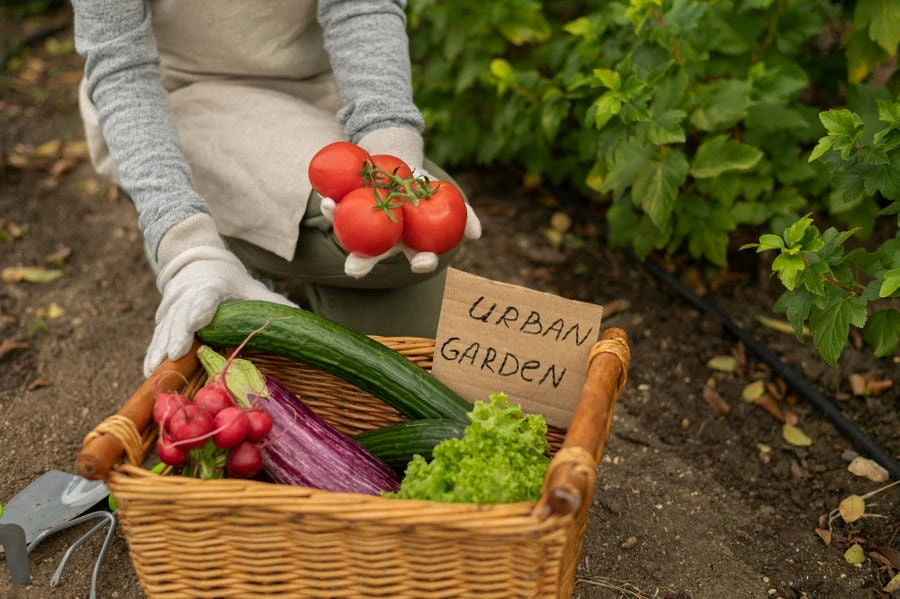

Gardening at home is not just a hobby; it\'s a fulfilling way to beautify your surroundings, connect with nature, and even produce your own fresh fruits, vegetables, and herbs. Whether you\'re a seasoned gardener or just starting, having a beautiful home garden is achievable with the right knowledge and techniques. This article provides expert tips for gardening at home to help you grow a lush and vibrant garden, ensuring it thrives throughout the year.
1. Start with a Plan
Before you dig into the soil, it\'s crucial to plan your garden layout. Consider the following steps:
- Assess Your Space: Measure your garden area and note the sunlight patterns, as different plants require varying amounts of sunlight.
- Choose Your Plants: Select plants that are suitable for your climate and soil type. Opt for a mix of perennials, annuals, and biennials to ensure continuous blooms and growth throughout the seasons.
- Design Your Layout: Plan where each plant will go. Group plants that have similar water and sunlight requirements together. Use graph paper or garden design software to sketch your layout.
2. Prepare Your Soil
Healthy soil is the cornerstone of a thriving garden. Here’s how to get it ready:
- Test Your Soil: Use a soil testing kit to check the pH and nutrient levels of your soil. Most plants thrive in soil with a pH between 6.0 and 7.0.
- Amend the Soil: Based on the test results, add organic matter such as compost, manure, or peat moss to improve soil structure and fertility. This helps in better root growth and water retention.
- Ensure Proper Drainage: Mix sand or perlite into the soil if it tends to retain too much water. Effective drainage helps prevent root rot and other problems caused by excess water.
3. Plant Wisely
The way you plant can significantly impact your garden\'s health and appearance:
- Follow Planting Instructions: Pay attention to the planting depth and spacing guidelines for each type of plant. Crowded plants can lead to poor air circulation and disease.
- Plant at the Right Time: Plant according to the recommended planting seasons for your region. For example, plant cool-season crops such as lettuce and peas in early spring or fall, and warm-season crops like tomatoes and peppers in late spring or summer.
- Mulch Your Garden: Apply a layer of mulch around your plants to conserve moisture, suppress weeds, and regulate soil temperature. Organic mulches like straw, wood chips, and leaves also decompose over time, enriching the soil.
4. Water Efficiently
Proper watering is crucial for plant health. Here are some tips:
- Water Deeply and Infrequently: This encourages roots to grow deeper into the soil, making plants more drought-resistant. Water in the early morning to minimize evaporation and enable plants to absorb moisture before the day heats up.
- Use Drip Irrigation or Soaker Hoses: These methods deliver water directly to the root zone, minimizing water loss and reducing the risk of disease caused by wet foliage.
- Monitor Soil Moisture: Regularly check soil moisture by inserting your finger about an inch into the soil. If it feels dry, water the plants.
5. Fertilize for Growth
Plants need nutrients to grow and bloom. Here’s how to fertilize effectively:
- Use Organic Fertilizers: Organic options like compost, worm castings, and fish emulsion provide essential nutrients and improve soil health over time.
- Follow Fertilizer Instructions: Over-fertilizing can harm plants and lead to nutrient runoff. Follow the recommended amounts and frequency on the fertilizer label.
- Apply During Growth Stages: Fertilize at key growth stages, such as when plants are just starting to grow, during flowering, and when setting fruit.
6. Prune and Deadhead Regularly
Pruning and deadheading are essential for plant health and aesthetics:
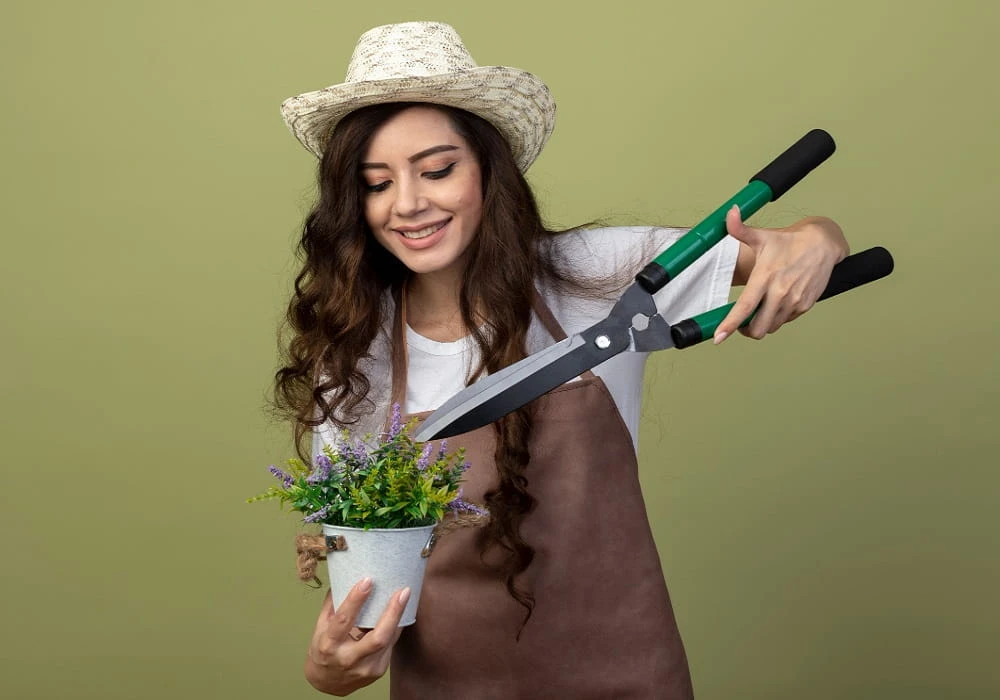
- Prune for Shape and Health: Regularly trim dead, damaged, or diseased branches to promote healthy growth and prevent pest infestations. Shape plants by trimming overgrown areas.
- Deadhead Spent Blooms: Removing faded flowers encourages plants to produce more blooms and prevents them from going to seed prematurely.
7. Manage Pests and Diseases
Maintaining a healthy garden necessitates being vigilant against pests and diseases:
- Identify Problems Early: Regularly inspect your plants for signs of pests or diseases. Early detection allows for more effective treatment.
- Use Integrated Pest Management (IPM): Employ a combination of biological, cultural, and mechanical controls before resorting to chemical pesticides. Introduce beneficial insects like ladybugs and lacewings to control pests naturally.
- Choose Disease-Resistant Varieties: Opt for plant varieties that are known to resist common diseases in your area.
8. Attract Beneficial Wildlife
A garden that attracts beneficial wildlife can thrive with less human intervention:
- Plant a Variety of Flowers: Diverse flower species attract pollinators like bees and butterflies, which are essential for fruit and vegetable production.
- Provide Water Sources: Birdbaths, small ponds, or shallow dishes of water can attract birds and beneficial insects.
- Create Habitat: Leave some areas of your garden a bit wild, with logs, rocks, or dense plantings, to provide shelter for beneficial wildlife.
9. Embrace Sustainability
Sustainable gardening practices offer benefits to both the environment and the health of your garden:
- Compost Kitchen and Garden Waste: Composting reduces waste and creates a rich soil amendment for your garden.
- Use Rainwater Harvesting: Collect rainwater in barrels to use for watering your garden. It\'s cost-effective and decreases dependence on tap water.
- Reduce, Reuse, Recycle: Repurpose household items like egg cartons for seed starting or old containers as plant pots.
10. Enjoy and Share Your Garden
A beautiful garden is a joy to behold and share:
- Spend Time in Your Garden: Regularly spend time in your garden to relax, observe, and enjoy the fruits of your labor.
- Share with Others: Share your garden’s bounty with friends and neighbors. Host garden tours or workshops to inspire others.
Conclusion
Growing a beautiful home garden requires a combination of planning, knowledge, and consistent care. By following these expert tips, you can create a thriving garden that not only enhances your home\'s aesthetic appeal but also provides a peaceful and rewarding outdoor space. Whether you’re planting flowers, vegetables, or herbs, the joy of watching your garden grow and flourish is unparalleled. Happy gardening!























Sign in to leave a comment.