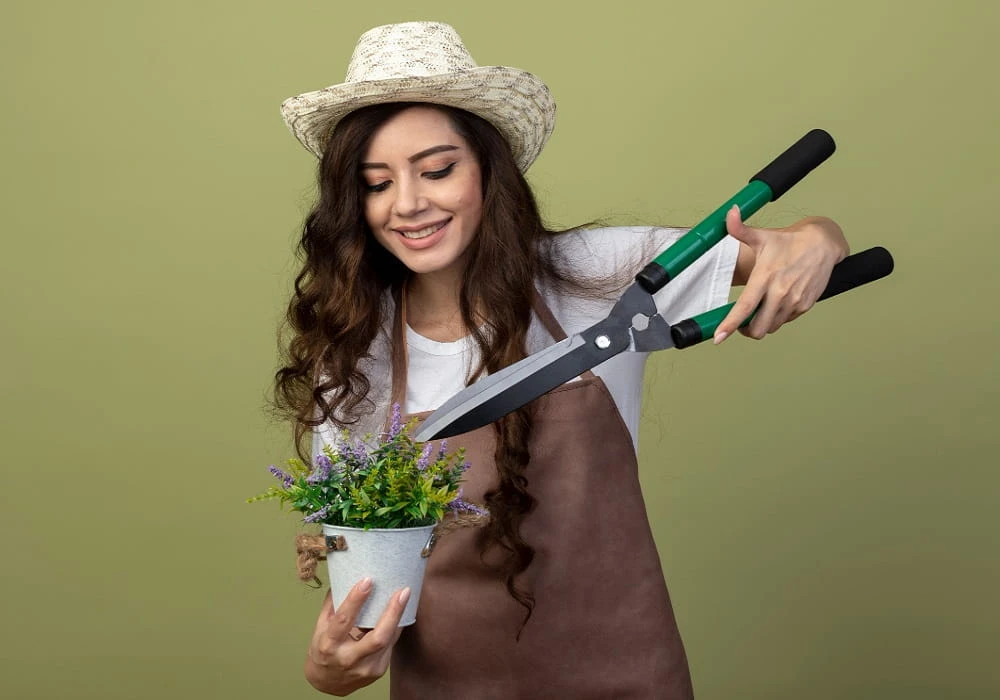

Starting your own home garden is one of the most satisfying things you can do. Watching your plants grow, bloom, and even give you fresh vegetables or herbs brings a special kind of joy. Whether you live in a big house or a small apartment, gardening can fit anywhere with the right approach. If you’re new to it, these simple and effective home gardening tips for beginners will help you create a green space you’ll love.
Why Start Home Gardening?
Gardening is more than just planting seeds. It’s a way to relax, stay close to nature, and make your surroundings more beautiful. Many people also find it helps reduce stress and brings positivity into the home. You don’t need a big backyard; even a balcony, terrace, or window ledge can become your little garden space.
1. Start Small and Simple
As a beginner, it’s best to start with a few easy-to-grow plants. Herbs like mint, basil, and coriander or vegetables like spinach and chillies are perfect for beginners. They grow quickly and don’t need much care. Once you gain confidence, you can slowly expand your collection.
2. Choose the Right Spot
Plants need sunlight, so pick a spot that gets at least four to six hours of natural light daily. If you live in an apartment with limited sunlight, go for plants that can grow in partial shade like money plant, aloe vera, or ferns. Observe how the light changes during the day and place your pots accordingly.
3. Select Good Soil
Healthy plants start with healthy soil. Use a good potting mix made with garden soil, compost, and coco peat. This combination keeps the soil loose and allows roots to breathe. You can also buy ready-made potting soil from local nurseries. Adding organic compost once every two weeks keeps your plants nourished and growing well.
4. Pick the Right Containers
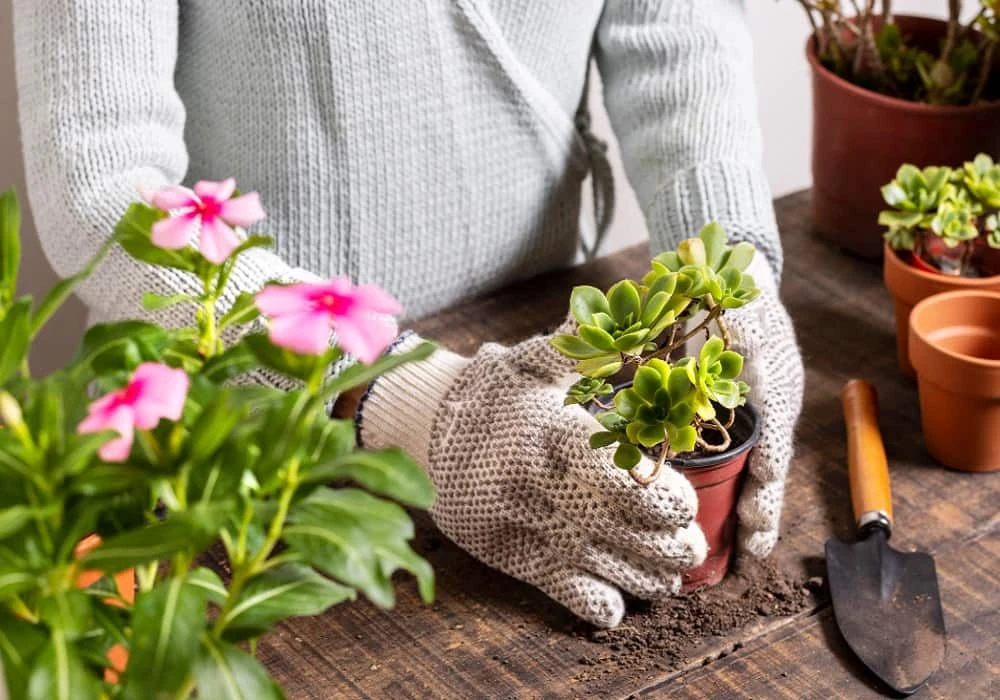
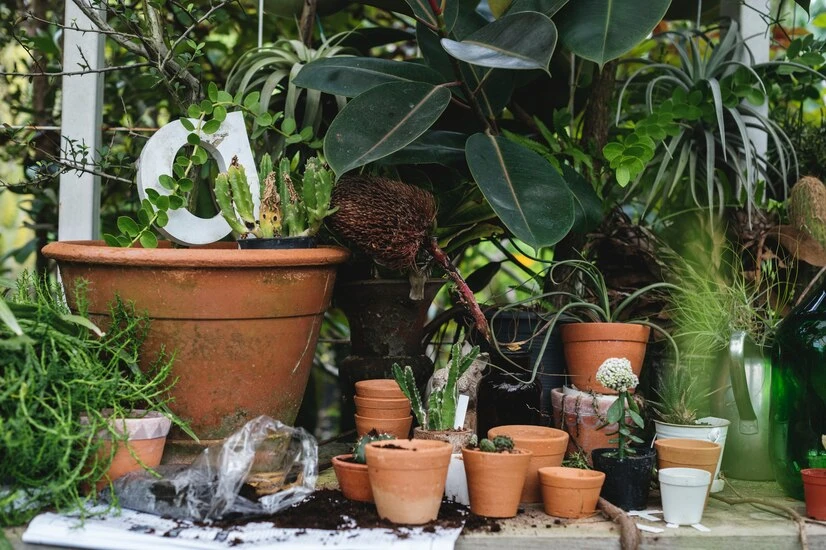
If you don’t have a yard, containers are your best friends. Use pots, grow bags, or even recycled containers like buckets and bottles. Just make sure they have holes at the bottom for proper drainage. Clay pots are great for most plants, while plastic pots are lighter and easy to move around.
5. Water the Right Way
Overwatering is one of the most common mistakes new gardeners make. Each plant has its own water needs. Always check the soil before watering—if the top inch feels dry, it’s time to water. Early mornings or evenings are the best times to water your plants, as it helps reduce evaporation.
6. Give Proper Sunlight and Shade
Sunlight is vital for photosynthesis, but too much can harm some plants. During hot Indian summers, keep delicate plants like lettuce and coriander under partial shade or use a shade net. On cloudy days, move your plants to areas where they can catch more light.
7. Learn About Fertilizers and Compost
Organic compost is the best food for your plants. You can easily make it at home by collecting vegetable peels, fruit scraps, and dry leaves. Mix them and let them decompose naturally. This nutrient-rich compost improves soil quality and keeps your plants healthy without using chemicals.
8. Keep Pests Away Naturally
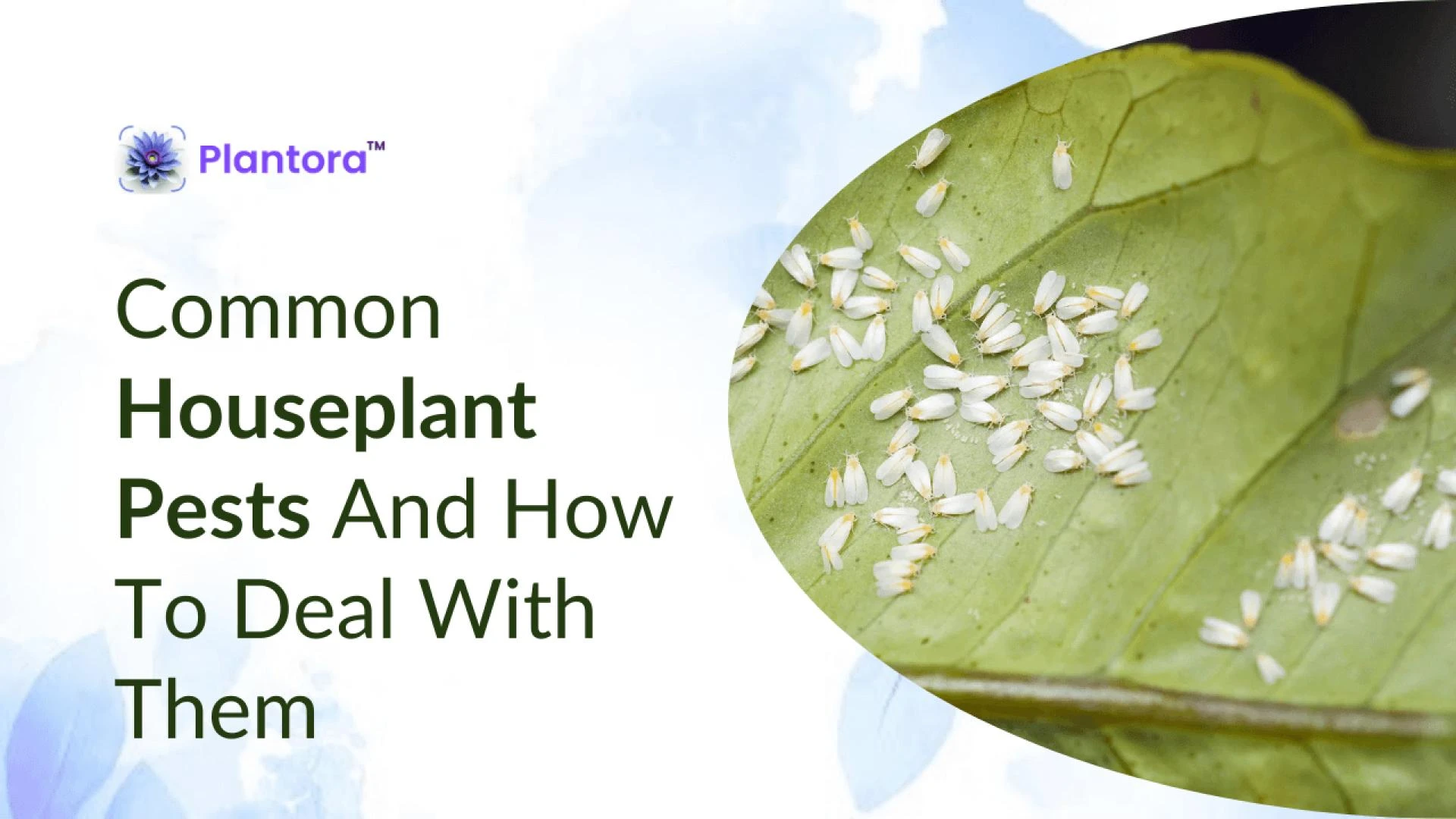
Instead of chemical sprays, try natural pest control methods. Neem oil spray works well against most common pests. You can also grow companion plants like marigolds to keep insects away. Regularly check leaves for signs of damage so you can act quickly if needed.
9. Try Vertical Gardening
If space is a problem, go vertical. Use shelves, hanging pots, or wall-mounted planters to grow your plants upwards. Climbing vegetables like beans and gourds love vertical support. This method saves space and gives your garden a neat, creative look.
10. Be Consistent and Patient
Gardening takes patience. Some plants grow fast, while others take weeks to show results. Spend a few minutes every day checking your plants, removing dry leaves, and loosening the soil. Regular care helps your plants stay healthy and strong.
Bonus Tip: Mix Beauty and Usefulness
A small garden doesn’t have to be only about vegetables. Mix flowering plants with herbs to make your space colorful and fragrant. Marigolds, petunias, and roses not only look lovely but also attract pollinators that help your vegetables grow better.
Benefits of Home Gardening
- You get fresh and organic vegetables and herbs
- Improves air quality around your home
- A relaxing hobby that reduces stress
- Great family activity, especially for kids
- Adds beauty and freshness to small spaces
Common Mistakes Beginners Should Avoid
- Overwatering: Too much water can kill plants faster than lack of water.
- Ignoring sunlight: Plants placed in dark corners won’t thrive.
- Using poor soil: Avoid hard garden soil that blocks roots from breathing.
- Skipping pruning: Remove dead leaves to allow new growth.
- Starting with too many plants: Focus on a few and learn as you go.
FAQs on Home Gardening Tips for Beginners
1. What are the best plants to start with for home gardening?
Start with easy plants like mint, basil, aloe vera, and money plant. They grow well with minimal care and are perfect for beginners.
2. How often should I water my plants?
It depends on the plant type and weather. Most indoor plants need watering 2–3 times a week, while outdoor plants may need daily watering during hot days.
3. Can I use kitchen waste as fertilizer?
Yes, you can make compost from kitchen waste like fruit peels and vegetable scraps. It’s an eco-friendly and budget-friendly fertilizer.
4. Do plants need fertilizer if I use compost?
Compost provides most of the nutrients, but adding a mild organic fertilizer once a month can boost growth.
5. What should I do if my plants have insects?
Use neem oil spray or a natural solution made from garlic and soap water to keep pests away safely.
Final Thoughts
Starting your own garden might feel challenging at first, but it quickly becomes one of the most rewarding hobbies. These home gardening tips for beginners will help you build a beautiful green space even if you have limited room. The joy of seeing your first sprout, flower, or homegrown vegetable makes every effort worth it. So grab a few pots, some soil, and your favorite seeds, and start your gardening journey today. Your home will soon be filled with fresh air, vibrant colors, and peaceful vibes.





















Sign in to leave a comment.