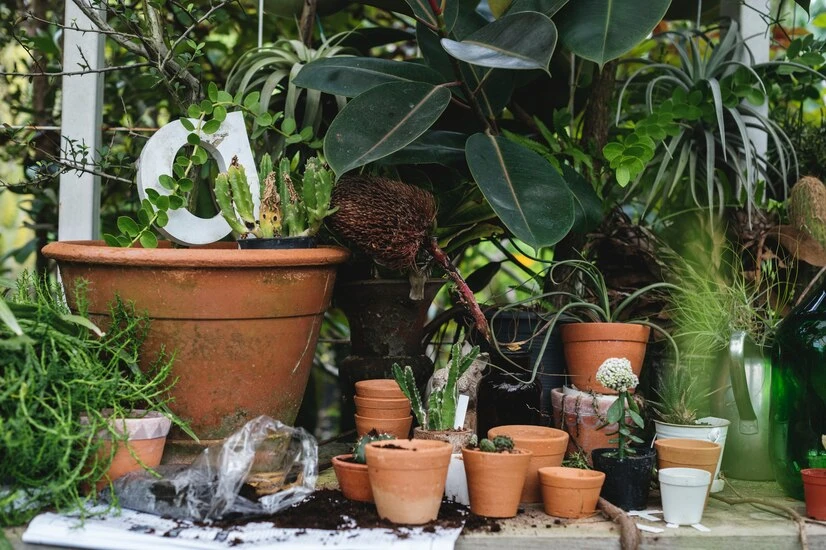

Gardening at home is not only a relaxing hobby but also a smart way to enjoy fresh, chemical-free vegetables and herbs. Even if you live in a city apartment or have a small terrace, there are practical ways to grow your own produce. By following simple tips for gardening at home, you can create a productive and beautiful garden that fits your space, lifestyle, and budget.
Home gardening in India is gaining popularity because it provides fresh food, reduces grocery bills, and adds greenery to urban spaces. From tomatoes and chillies to mint and coriander, growing your own vegetables and herbs is easier than you think.
Why Start Gardening at Home?
Gardening at home offers numerous benefits:
- Fresh and Healthy Produce: You know exactly what goes into your vegetables and herbs.
- Cost Savings: Growing your own food reduces your monthly grocery expenses.
- Stress Relief: Stress reduction and therapy are two benefits of gardening.
- Environmental Benefits: Plants improve air quality and attract pollinators like bees and butterflies.
- Creative Outlet: Designing your garden allows you to explore colors, textures, and layouts.
With these advantages, even a small balcony or terrace can become a thriving garden using simple tips for gardening at home.
Choosing the Right Space
Choosing the ideal spot is the first step in home gardening. Most vegetables and herbs need at least 4–6 hours of sunlight daily. Choose a terrace, balcony, or windowsill that receives adequate sunlight.
For small apartments, you can use shelves, hanging planters, or even windowsill boxes. This ensures that even limited spaces can support healthy plant growth. Many gardeners also explore container gardening ideas for small spaces to maximize productivity.
Selecting the Right Vegetables and Herbs
Not all plants are suitable for home gardening, especially if you have limited space. Start with vegetables and herbs that are easy to grow and maintain.
Vegetables:
- Tomatoes
- Chillies
- Spinach
- Lettuce
- Radish
- Beans
Herbs:
- Coriander (Cilantro)
- Mint
- Basil (Tulsi or Sweet Basil)
- Rosemary
- Thyme
- Parsley
Starting with a few plants helps you understand their care requirements and gradually expand your garden.
Preparing the Soil
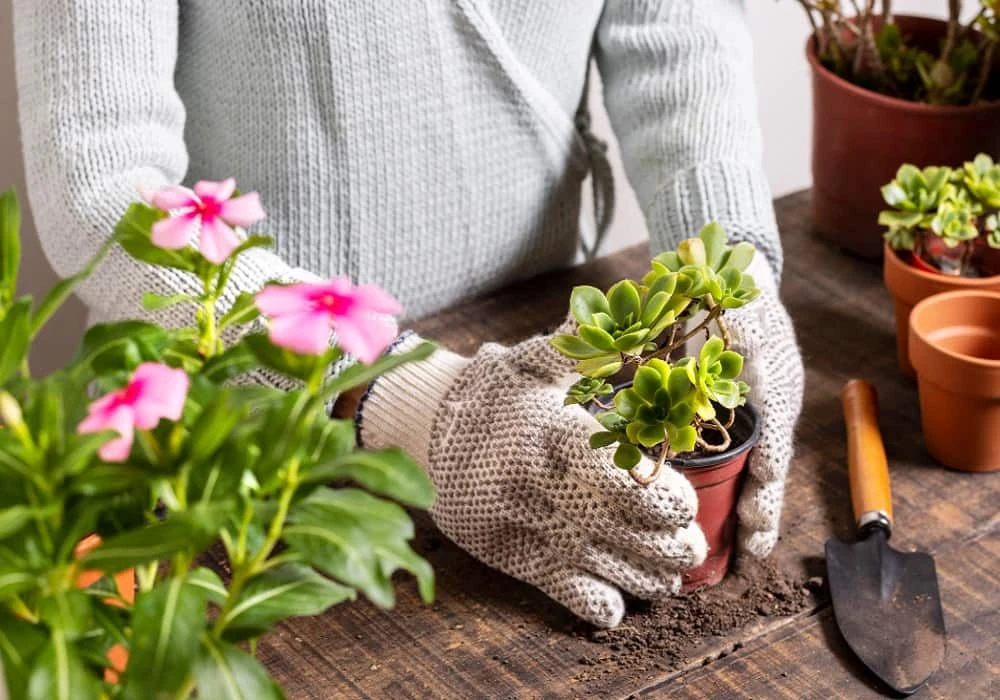
Healthy soil is the foundation of a productive garden. Use a mix of garden soil, compost, and cocopeat or sand for proper drainage. Organic matter improves soil fertility and helps plants grow strong roots.
If you are using containers, make sure they have proper drainage holes to prevent waterlogging. Good soil ensures your vegetables and herbs remain healthy and productive.
Watering and Fertilization Tips
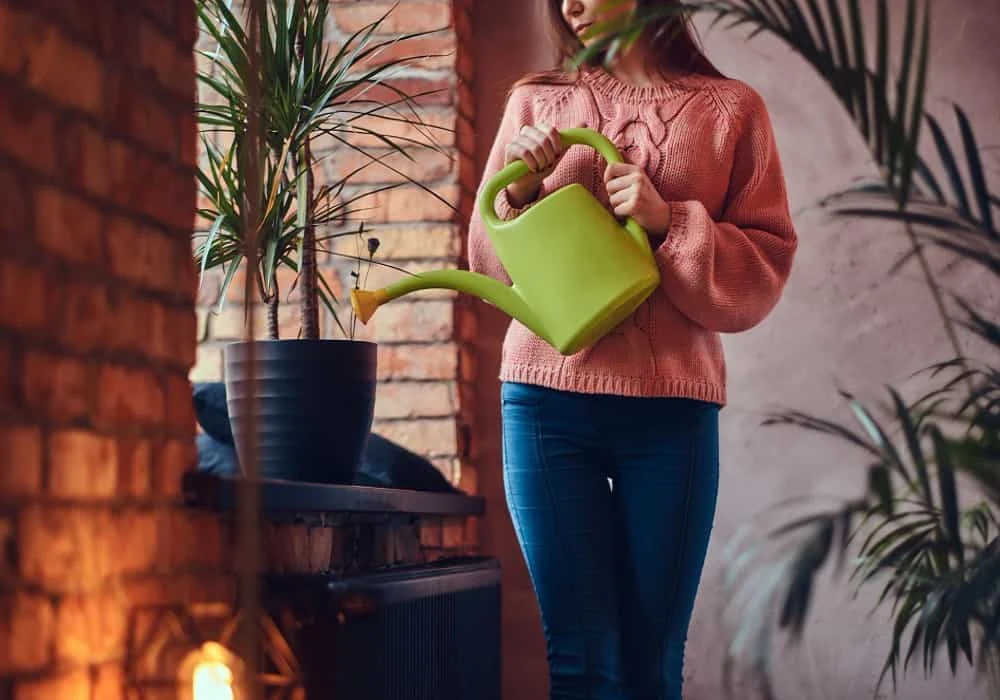
Watering is one of the most critical aspects of home gardening. While underwatering slows growth, overwatering can damage roots. Most vegetables need moderate watering once or twice a day depending on the climate. Early morning or late evening is the best time for watering.
Organic fertilizers like compost, cow dung, or vermicompost provide essential nutrients without harming the environment. Regular fertilization encourages better growth and more flavorful vegetables and herbs.
Pest Management
Pests are common in home gardens, but they can be managed naturally.
- Use neem oil sprays or garlic-chilli water to keep insects away.
- Companion planting helps deter pests. For example, planting basil near tomatoes can reduce the risk of aphids.
- Regularly inspect leaves and stems for signs of disease or pest activity.
Organic pest management ensures your garden remains healthy and chemical-free.
Creative Gardening Ideas for Small Spaces
Urban homes often have limited space, but creativity can make your garden productive and visually appealing.
- Vertical Gardening: Use trellises, shelves, or wall-mounted planters to grow climbing vegetables like beans or cucumbers.
- Hanging Planters: Ideal for herbs like mint, coriander, and basil.
- Mixed Containers: Combine herbs and small vegetables in a single large pot to maximize space.
- Terrace Beds: For larger terraces, raised beds help organize plants and improve soil quality.
Using container gardening ideas for small spaces allows even city dwellers to enjoy a thriving home garden.
Seasonal Gardening Tips
India’s diverse climate affects how plants grow, so it’s important to plan according to seasons:
- Summer: Focus on heat-tolerant crops like chillies, tomatoes, and beans. Provide partial shade to avoid leaf burn.
- Monsoon: Ensure proper drainage to avoid waterlogging. Plant leafy vegetables like spinach and coriander.
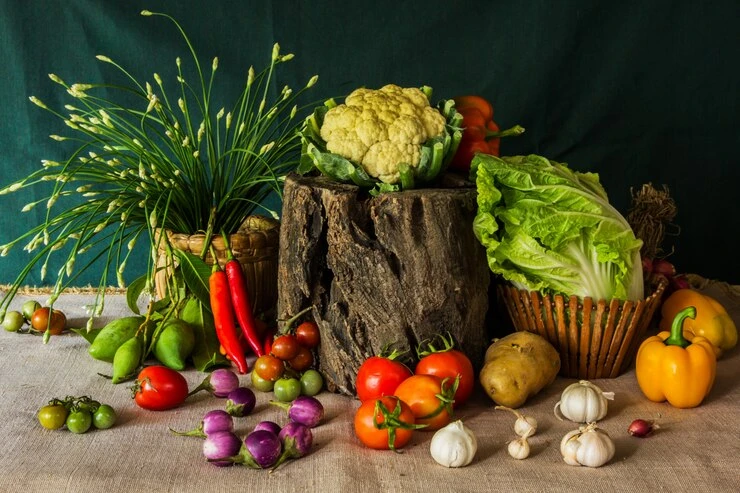
- Winter: Grow cabbage, cauliflower, carrots, and herbs like rosemary and thyme for cooler months.
Seasonal planning helps you have fresh vegetables and herbs all year round.
Benefits of Growing Your Own Vegetables and Herbs
- Fresh Flavors: Homegrown herbs and vegetables taste better than store-bought produce.
- Nutritional Value: Plants harvested fresh retain more nutrients.
- Eco-Friendly: Reduces carbon footprint by avoiding packaged produce.
- Educational: Teaches kids and adults about plants, growth cycles, and sustainability.
- Aesthetic Value: Adds greenery and beauty to your home environment.
Growing your own vegetables and herbs is a rewarding experience that goes beyond food—it promotes a healthy and sustainable lifestyle.
Common Mistakes to Avoid
- Planting in low-light areas can stunt growth.
- Overcrowding plants limits air circulation and reduces yield.
- Ignoring soil quality or fertilization can lead to weak plants.
- Overwatering or poor drainage can cause root rot.
- Not monitoring pests regularly can lead to infestations.
Avoiding these mistakes ensures your garden thrives and produces abundant vegetables and herbs.
Conclusion
Home gardening is a simple way to enjoy fresh, organic produce while adding greenery to your living space. By following practical tips for gardening at home, you can grow vegetables and herbs efficiently, even in limited spaces.
Urban homes in India can benefit greatly from creative ideas such as vertical gardening, hanging planters, and container setups. These methods, combined with proper sunlight, soil, and care, make gardening both productive and enjoyable.
If you want to explore more innovative methods, you can also check out our detailed guide on container gardening ideas for small spaces to make the most of limited areas in your home.
FAQs
1. Can I start a vegetable garden in a small apartment?
Yes, by using containers, vertical planters, and hanging baskets, you can grow vegetables and herbs even in small spaces.
2. Which herbs grow fastest at home?
Coriander, mint, basil, and parsley grow quickly and are ideal for beginner gardeners.
3. How often should I water my home garden?
Moderate watering once or twice a day is sufficient for most vegetables and herbs, depending on weather conditions.
4. Are organic fertilizers necessary?
While optional, organic fertilizers improve soil fertility naturally and lead to healthier plants.
5. How do I prevent pests in a home garden?
Use natural remedies like neem oil, garlic-chilli sprays, and companion planting to reduce pests without chemicals.











Sign in to leave a comment.