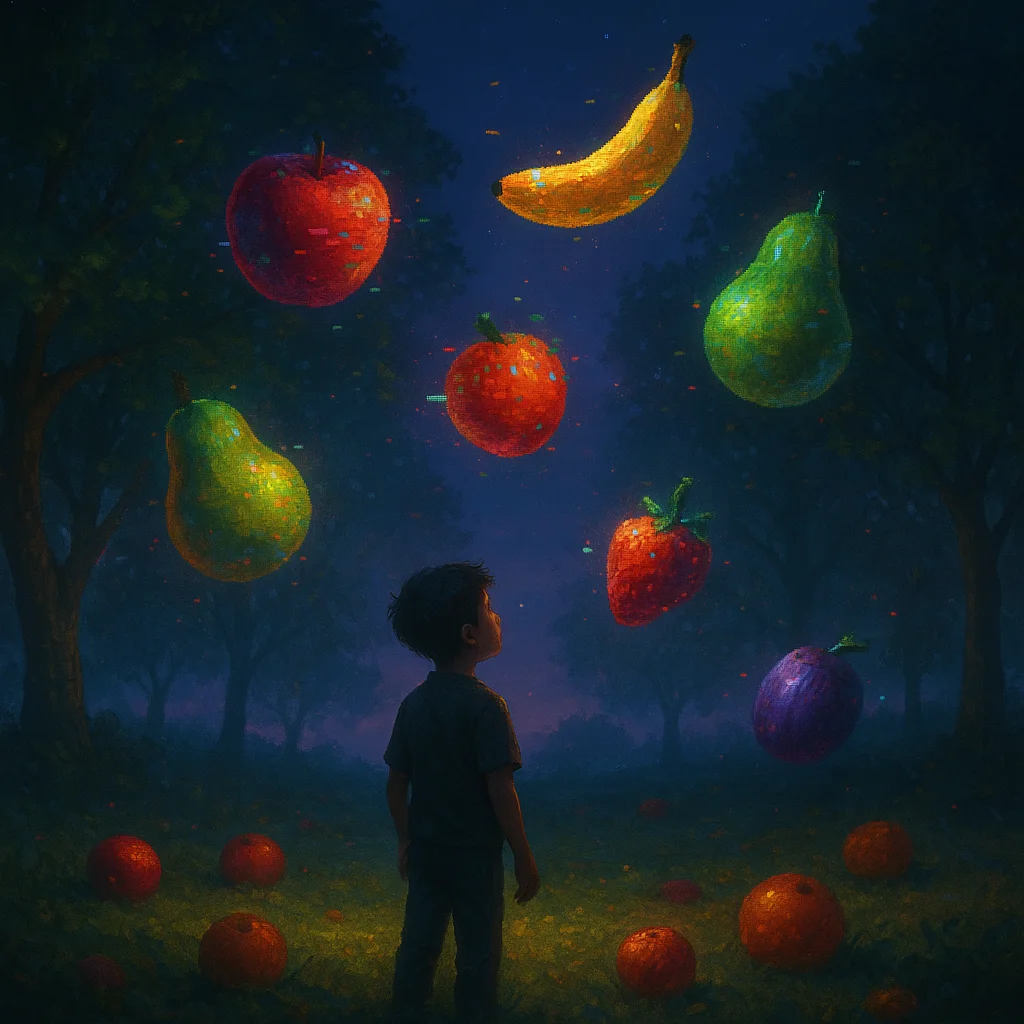

When Fruit Videos Turn Dark: An Unexpected Viral Phenomenon
Imagine scrolling through your social media feed and stumbling upon a mesmerizing video of a perfectly ripe peach, its skin glistening under a soft light, slowly rotating. The colors are vivid, almost hyperreal, and the textures so detailed you feel you could reach out and touch it. At first glance, these viral AI-generated fruit videos seem like harmless, even delightful content. Yet, beneath that polished surface, many viewers report a creeping sense of unease—something vaguely unsettling about these digital fruits that defies immediate explanation.
These videos have flooded platforms like TikTok and Instagram since late 2025, captivating millions. But as Wired recently highlighted in their piece "There’s Something Very Dark About a Lot of Those Viral AI Fruit Videos", there’s more than meets the eye. What is it about these AI-crafted fruit videos that feels so off? Do they reveal deeper anxieties about technology, aesthetics, or even our relationship with food?
“The uncanny valley has a new frontier: fruit. These videos blur the line between beauty and discomfort, forcing us to question what our eyes truly recognize as natural.” — Wired
Could these videos be a symptom of our collective unease with AI’s growing role in creative content? Or is there a more profound commentary embedded within their viral spread? This guide aims to unpack these questions and introduce you to the complex world behind this seemingly simple trend.
Tracing the Roots: How AI Fruit Videos Became a Viral Trend
The origin of this viral trend can be traced back to the rapid advances in generative AI models specialized in photorealistic imagery. Starting with tools like DALL·E and Midjourney in the early 2020s, AI's ability to recreate realistic images grew exponentially. By 2025, newer models focused on video generation emerged, capable of rendering moving images that almost indistinguishably mimicked real life.
Fruit, a seemingly innocuous subject, became a popular testbed for these AI experiments. Its vibrant colors, complex textures, and natural imperfections challenge AI’s rendering capabilities, making it both a technical showcase and a visually arresting subject. Early adopters on social media began sharing AI-generated fruit videos that appeared hyperreal yet subtly surreal, leading to rapid viral sharing.
Curiously, the trend gained momentum through communities that appreciated tech art and AI creativity, but mainstream audiences soon followed. The rise was also fueled by algorithmic boosts from platforms aiming to promote novel content formats, inadvertently amplifying these videos’ reach.
This viral spread coincided with broader cultural moments—heightened debates about AI ethics, the authenticity of digital content, and food culture’s visual obsession. The fruit videos became a nexus where these conversations converged, often without viewers immediately realizing it.
“These videos aren’t just about fruit; they represent a crossroads where technology, aesthetics, and human perception collide.” — WriteUpCafe, "The Dark Undercurrents Behind Viral AI-Generated Fruit Videos in 2026"
Decoding the Dark Aesthetic: Why Are These Videos Unsettling?
What exactly makes these AI fruit videos feel eerie? Scholars, psychologists, and digital artists have started dissecting the phenomenon, pointing to several factors:
- Uncanny Valley Effect: Traditionally associated with humanoid robots or CGI faces, the uncanny valley now extends to objects like fruit rendered with near-perfect detail but subtle imperfections that disrupt our sense of reality.
- Hyperrealism with a Twist: These videos amplify colors and textures beyond natural limits, creating a surreal intensity that clashes with our expectations of natural fruit.
- Absence of Context: Stripped of environmental cues or human interaction, the fruit is presented in isolation, making it feel alien or objectified.
- Slow, Repetitive Motion: The videos often loop slow rotations or slight movements that feel unnatural, fostering a hypnotic, almost obsessive viewing experience.
- Underlying Themes of Decay and Artificiality: Some videos subtly incorporate elements of rot or deformity, hinting at mortality and impermanence beneath the polished surface.
These elements combine to produce a visual experience that is both captivating and discomforting. Our brains struggle to reconcile the hyperreal beauty with the subtle hints of artificiality or decay. The fruit becomes a metaphor—a symbol of the tension between natural life and technological reproduction.
Food culture experts note that fruit has long been used in art and advertising to represent health, abundance, and pleasure. These AI videos disrupt that narrative by layering in ambiguity and even menace. The fruit is no longer just food; it’s a digital artifact that challenges our sensory and emotional responses.
2026 Updates: How the Trend Has Evolved and What It Means Now
As of early 2026, the AI fruit video trend has evolved in both complexity and cultural significance. Newer videos incorporate more experimental techniques, including:
- Multisensory Augmentation: AI projects now add soundscapes—subtle squelches or ambient noises—heightening the sensory immersion and sometimes the discomfort.
- Interactive Formats: Some creators use AI to allow viewers to manipulate fruit shapes or colors in real time, blurring the line between creator and audience.
- Political and Social Commentary: Some videos embed coded messages about food waste, climate change, and technological overreach through visual symbolism.
These developments reflect a maturing of the trend from novelty to a form of digital art and commentary. The shift has also sparked debates within the food and tech communities about the ethics of AI-generated food imagery, especially when used for marketing or misinformation.
Moreover, platforms have started moderating this content more closely due to concerns about its psychological impact. Some viewers report feelings of anxiety or obsession after repeated exposure, suggesting these videos tap into deeper cognitive and emotional layers than typical viral content.
“The evolution of these viral AI fruit videos reveals a new frontier in digital aesthetics—where beauty, technology, and unease intertwine to provoke reflection on our digital age.” — WriteUpCafe, "April 2026: Unpacking the Dark Allure of Viral AI Fruit Videos"
Voices from the Field: Expert Insights on AI Fruit Videos
To understand this phenomenon more fully, I spoke with experts across fields:
- Dr. Helena Marquez, Cognitive Psychologist: “These videos exploit our brain’s pattern recognition in unusual ways. The subtle wrongness triggers discomfort because our minds expect natural variance in fruit that AI sometimes fails to replicate authentically.”
- Marco Tan, Digital Artist: “AI fruit videos challenge traditional aesthetics by forcing viewers to confront the artificial nature of digital imagery. They’re like modern still lifes with a digital twist, but the perfection can feel oppressive rather than soothing.”
- Sophia Li, Food Marketing Analyst: “The viral success of these videos shows the power of visual storytelling in food media, but also raises concerns about authenticity and consumer trust when AI blurs lines between real and fabricated food.”
These perspectives highlight the layered complexity behind what may seem like simple content. The AI fruit videos serve as a mirror reflecting cultural anxieties about technology’s role in creative and consumable media.
Looking Forward: What Should We Watch For?
What does the future hold for this curious niche of AI-generated content? Several trajectories seem likely:
- Integration with Food Tech Innovations: As AI-generated imagery improves, these visual techniques may become standard in food advertising, packaging design, and even menus, raising questions about consumer perception.
- Psychological Research: Growing interest in how visual AI content affects mental health and perception may lead to guidelines or best practices for creators and platforms.
- Regulatory and Ethical Frameworks: Calls for transparency in AI-generated food imagery could prompt new labeling standards or industry self-regulation.
- Expanded Artistic Exploration: The trend might inspire broader AI-art movements that use food as a metaphor for existential questions about nature and technology.
For curious readers and creators, the key takeaway may be to engage with these videos thoughtfully—recognizing their dual role as aesthetic objects and cultural artifacts. What does it mean that we find something so familiar yet strange in a simple piece of fruit? Perhaps these videos invite us to question not only the technology behind them but also our own evolving relationship with food, beauty, and reality.
If you want to dive deeper into this topic, this article explores the sociocultural implications, while this piece offers a detailed breakdown of the latest developments in 2026.





























Sign in to leave a comment.