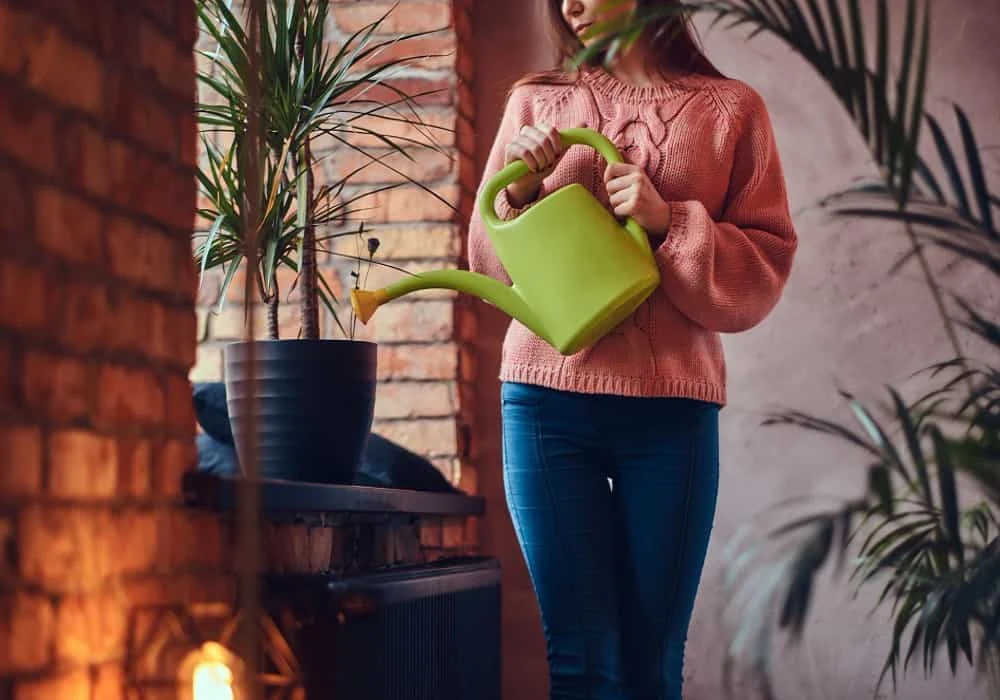

Gardening at home is becoming very popular, especially in cities where people want a small green space in their daily life. Even if you do not have a backyard, you can still grow plants in a balcony or on a terrace. With a few simple methods and proper care, anyone can create a beautiful garden at home.
Learning the right tips for gardening at home helps beginners grow healthy plants and enjoy fresh vegetables, herbs, and flowers. Balcony and terrace gardens are perfect for urban homes because they use limited space while bringing nature closer to you.
Choose the Right Location
The first step in home gardening is selecting the right location for your plants. Most plants require good sunlight to grow properly.
Balconies and terraces that receive at least five to six hours of sunlight are ideal for gardening. If your space receives less sunlight, you can choose shade loving plants like ferns, money plants, or peace lilies.
Choosing the correct spot is one of the most important tips for gardening at home because sunlight directly affects plant growth.
Select Suitable Containers
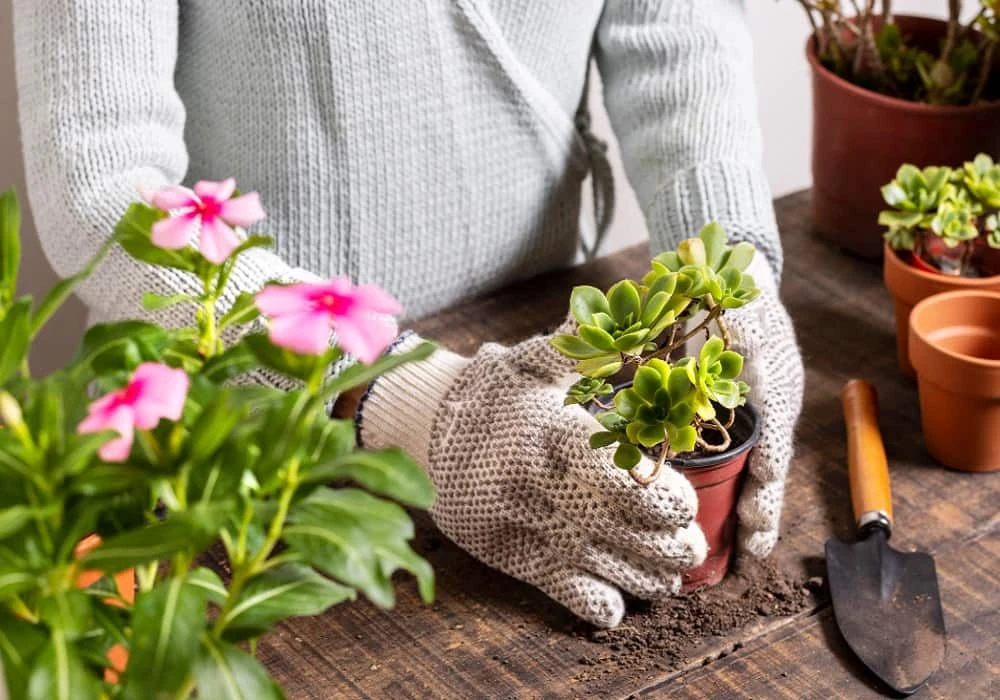
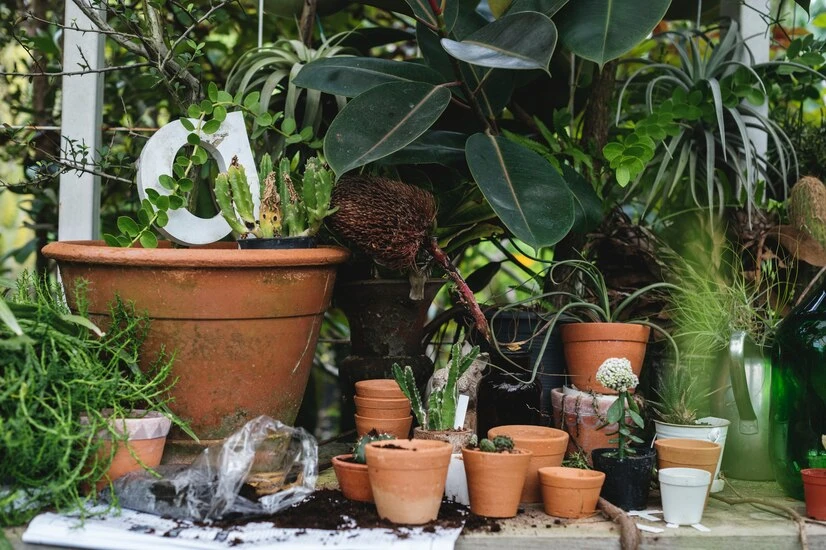
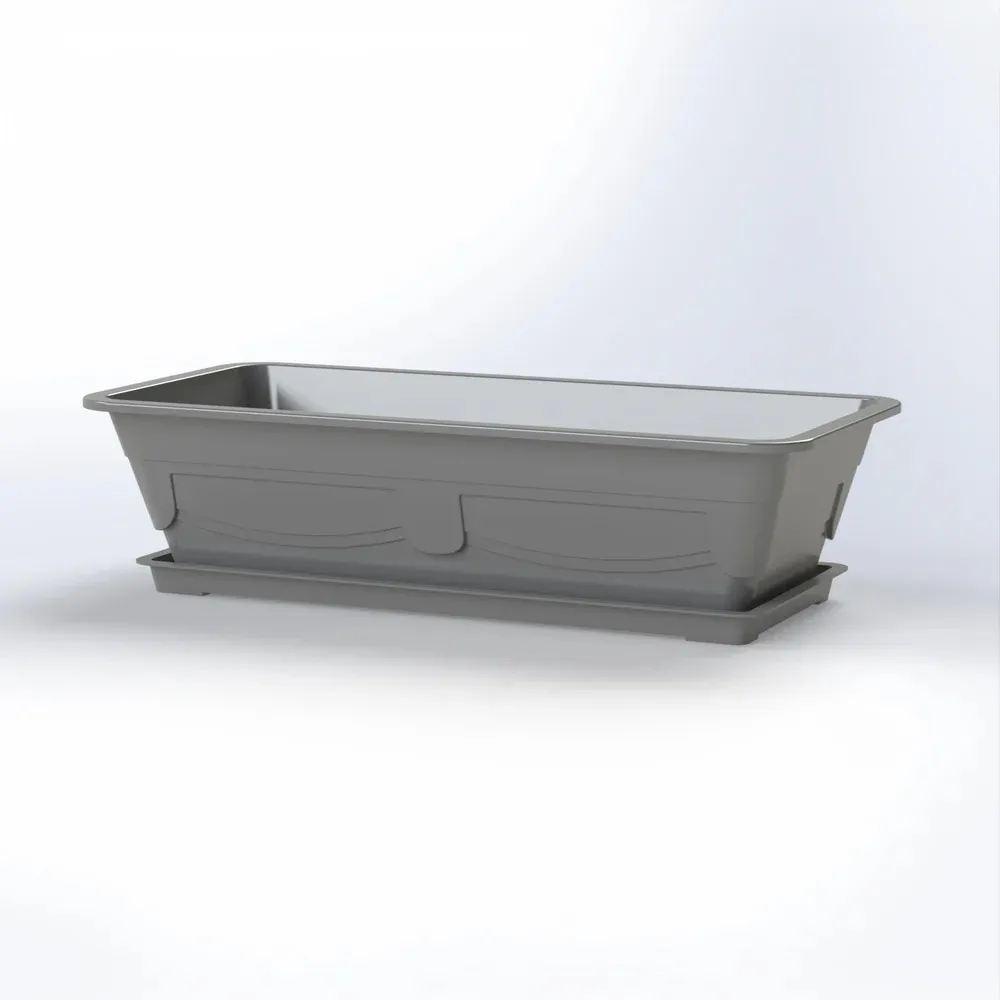
Containers play a major role in balcony and terrace gardening. You can use clay pots, plastic containers, grow bags, or recycled containers depending on your space and budget.
Make sure every container has drainage holes so excess water can escape. Without proper drainage, plant roots may rot and stop growing.
Using containers of different sizes also helps you grow a variety of plants in a small space.
Use Good Quality Soil
Healthy plants need good quality soil. A simple mixture of garden soil, compost, and cocopeat works well for most plants.
Compost provides nutrients, while cocopeat helps retain moisture. This combination keeps the soil light and well drained, which is important for plant roots.
Among the useful tips for gardening at home, preparing nutrient rich soil is one of the most important steps for plant health.
Start with Easy Plants
Beginners should start with plants that are easy to grow and maintain. Herbs like mint, basil, and coriander are great choices for small gardens.
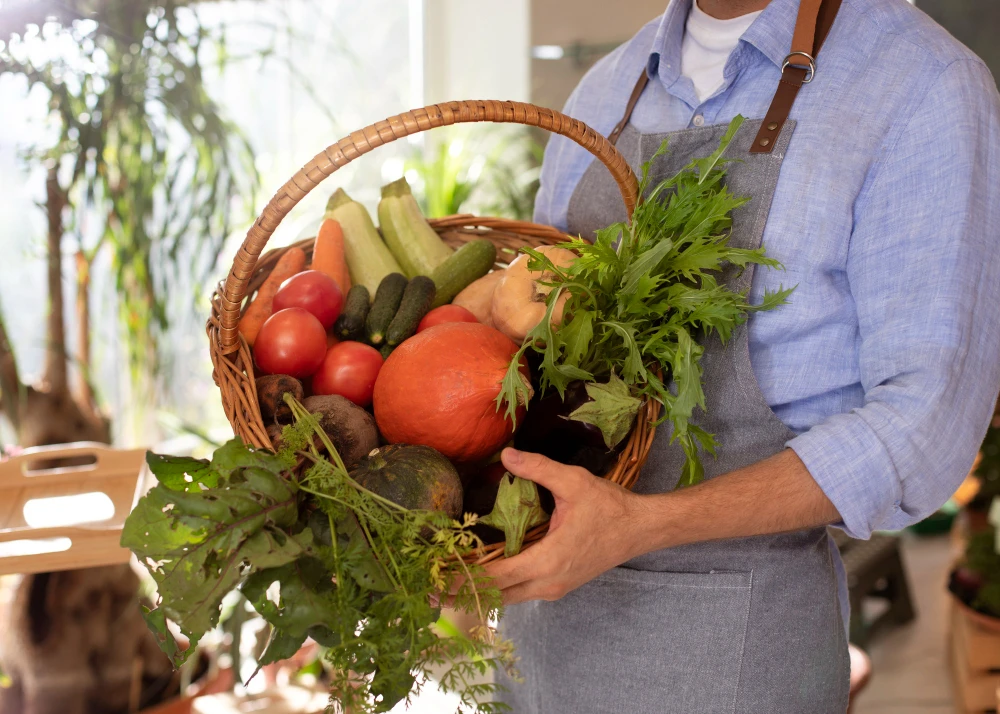
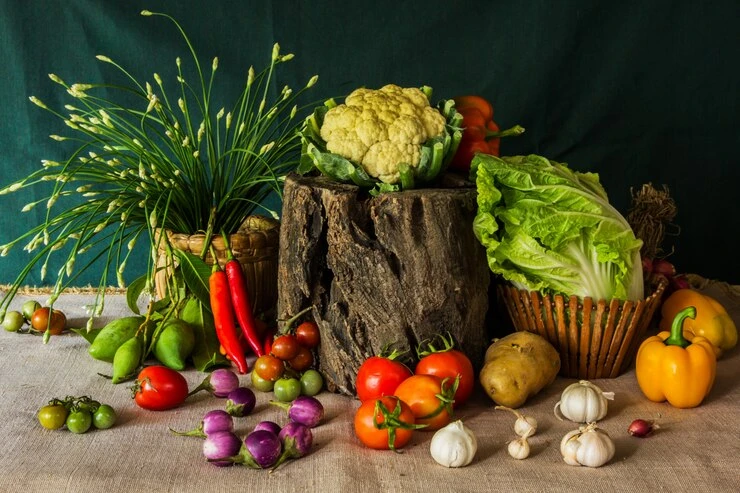
Vegetables such as tomatoes, chillies, spinach, and radish also grow well in containers. These plants grow quickly and give satisfying results for new gardeners.
Starting with simple plants builds confidence and helps you learn basic gardening skills.
Water Plants Properly
Watering is essential for plant growth, but it should be done carefully. Too much water can damage plants, while too little water can make them dry.
Most plants need watering once a day in hot weather and less during cooler seasons. Always check the soil before watering. If the top layer feels dry, it is time to water the plant.
Proper watering is one of the most important tips for gardening at home for maintaining healthy plants.
Use Vertical Space
Balcony and terrace gardens often have limited floor space. Using vertical space is a smart way to grow more plants without crowding the area.
You can install wall planters, hanging baskets, or vertical racks for pots. This not only saves space but also makes the garden look more attractive.
Vertical gardening is perfect for herbs, decorative plants, and small vegetables.
Add Organic Fertilizers
Plants need nutrients to grow strong and healthy. Organic fertilizers such as compost, vermicompost, and kitchen waste compost are excellent for home gardens.
These natural fertilizers improve soil quality and provide essential nutrients to plants. Adding compost every two to three weeks helps plants grow faster and produce better leaves and fruits.
Organic fertilizers are a key part of successful tips for gardening at home.
Protect Plants from Pests
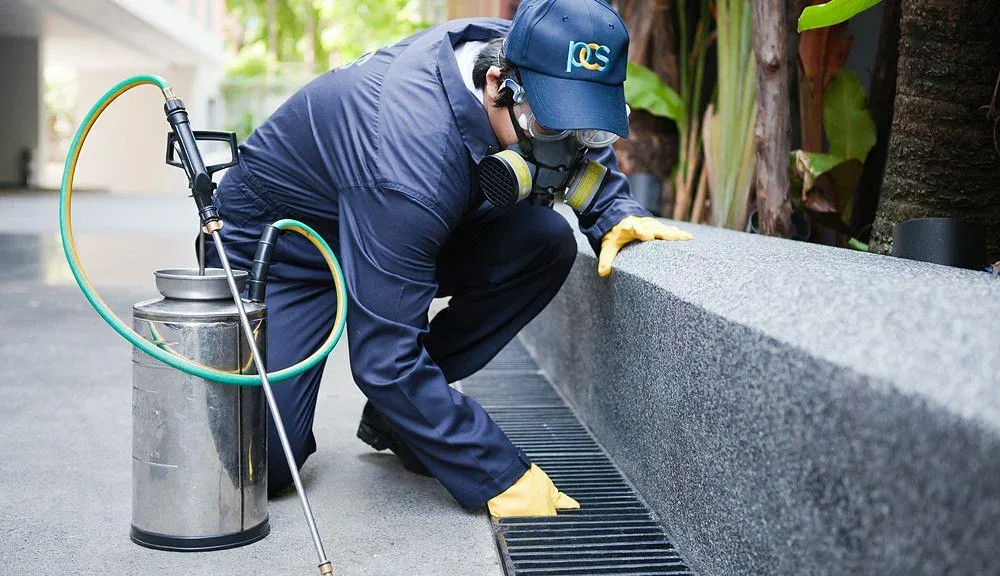
Pests and insects can sometimes damage plants. You can utilize natural alternatives in place of chemical insecticides.
Neem oil spray, garlic spray, or soap water can help control common pests. Regularly checking plants also helps you detect problems early.
Healthy plants with proper care usually have fewer pest issues.
Keep Your Garden Organized
A well organized garden is easier to manage and maintain. Arrange your pots in a way that every plant receives enough sunlight and space.
Place taller plants at the back and smaller ones in the front. This arrangement improves air circulation and keeps the garden looking neat and attractive.
Maintaining an organized garden is one of the simplest tips for gardening at home that makes plant care easier.
Conclusion
Creating a balcony or terrace garden is a wonderful way to bring greenery into your home. With the right approach, even small spaces can become beautiful gardens filled with plants, herbs, and vegetables.
By following simple tips for gardening at home, beginners can easily start their gardening journey. Choosing the right location, using good soil, watering plants properly, and adding organic fertilizers will help plants grow healthy and strong.
Home gardening not only provides fresh produce but also creates a relaxing and refreshing environment in your home.
FAQs
What are the best plants for balcony gardening?
Herbs like mint, basil, coriander, and vegetables like tomatoes, spinach, and chillies are great for balcony gardens.
How much sunlight do plants need for home gardening?
Most plants require five to six hours of sunlight daily, but some shade loving plants can grow with less sunlight.
Can I grow vegetables in a terrace garden?
Yes, many vegetables such as tomatoes, brinjal, chillies, and spinach grow very well in terrace gardens.
How often should I fertilize plants in a home garden?
Organic fertilizers like compost can be added every two to three weeks to support healthy plant growth.
Is gardening possible in small spaces?
Yes, using containers, hanging baskets, and vertical gardening methods makes it possible to grow plants even in very small spaces.







Sign in to leave a comment.