

Ligaments are strong, stretchy bands that hold bones together at joints. They support movement and provide stability. Without ligaments our joints would feel loose and unstable. They help us walk, run, lift and bend
But like any part of the body ligaments can get hurt. A ligament injury can cause swelling, pain and trouble moving the joint. These injuries are common in the knee, wrist, hand and ankle. They happen from falls, sudden twists or too much stress on the joint
If not treated ligament damage can lead to long-term weakness. In this article, we’ll explore the common types of ligament injuries, what causes them, how to identify symptoms and the treatment options available

Ligament Injuries in Knee: A Closer Look
The knee is one of the most used joints in the body. It takes weight, handles movement and keeps us steady. It also has four major ligaments that can get injured
Ligament injuries in knee often happen during sports, falls or road accidents. These injuries range from mild stretches to full tears
The four main knee ligaments include:
- ACL (Anterior Cruciate Ligament)
- PCL (Posterior Cruciate Ligament)
- MCL (Medial Collateral Ligament)
- LCL (Lateral Collateral Ligament)
Ligament Injury in Knee Symptoms
Common ligament injury in knee symptoms include:
- Swelling within hours of injury
- Pain when walking or bending
- A popping sound at the moment of injury
- A loose or unstable feeling in the joint
- Inability to bear weight on the leg
Doctors use physical tests and imaging (like MRI) to confirm the tear and plan treatment.
Ligament Injury in Hand: Don’t Ignore the Pain
In the hand there are many small joints. Hand ligaments aid wrists and fingers to bend in an elastic way. However, a ligament strain in hand can be produced by an abrupt tug, twist or fall
You may feel:
- Sharp pain near the wrist or fingers
- Swelling in the joint
- Trouble holding or gripping things
- Clicking or popping when moving the fingers
Even minor injuries can affect daily life. Prompt treatment helps prevent stiffness and long-term damage.
Ligaments Damage Wrist: More Than a Simple Sprain
The wrist connects your hand to your forearm. It contains several ligaments that hold the bones together and guide motion.
Ligaments damage wrist injuries often happen from falling on an outstretched hand. These injuries may be confused with sprains but can be more serious.
Signs to watch for:
- Pain near the thumb side of the wrist
- Swelling that gets worse with movement
- Clicking sound during motion
- Weakness when trying to lift or grip
Wrist ligament injuries may need bracing, physiotherapy, or surgery, depending on the tear’s severity.
What Causes Ligament Injuries?
Common causes of ligament injuries include:
- Sudden twisting while walking or running
- Falling on a joint
- Sports injuries, especially during contact sports
- Lifting heavy objects without proper posture
- Repetitive stress on joints
Age, poor muscle strength, and previous injuries increase your risk.
Ligament Injury Treatment: What Works?
Ligament injury treatment depends on how bad the damage is. Doctors first examine the joint. Then, they may recommend:
- RICE: Rest, Ice, Compression, Elevation
- Pain relief medicine
- Physiotherapy to improve strength and range of motion
- Braces or splints for support
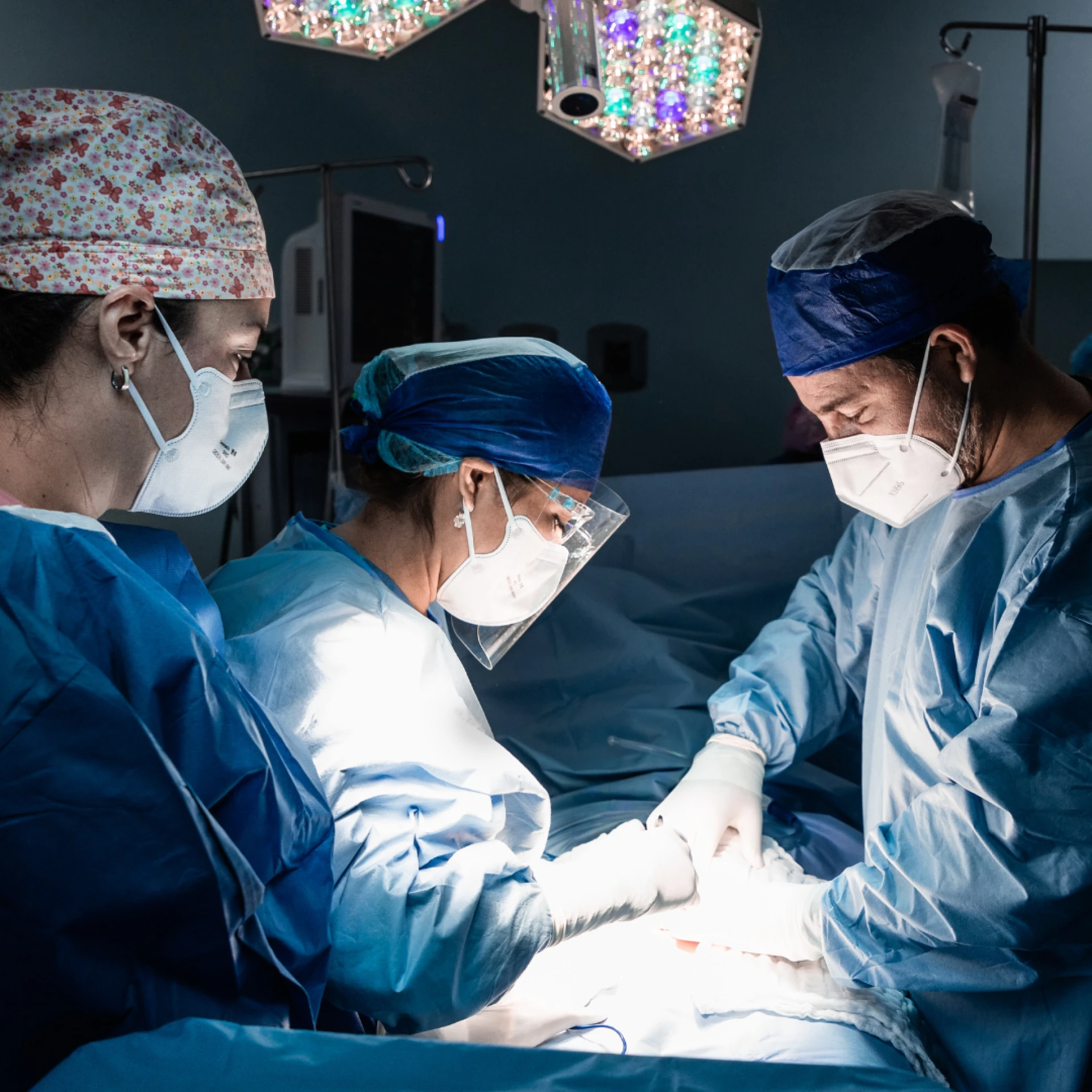
For serious tears, a ligament injury operation may be needed. It involves stitching the ligament or using a graft to replace it. Surgery is often followed by rehab for full recovery.
Ligament Injury Operation: When Is Surgery Needed?
Sometimes, the ligament does not heal on its own. A ligament injury operation becomes necessary when:
- The ligament is fully torn
- The joint remains unstable
- Non-surgical treatment doesn’t help
- The patient is an athlete or has high activity needs
Doctors may perform arthroscopic surgery (using small cuts and cameras). This reduces recovery time and pain.
When Should You See a Doctor?
Visit a doctor if you feel:
- Ongoing pain after rest
- Swelling that does not reduce
- Weakness in a joint
- A popping sound during injury
- Trouble moving the joint fully
Conclusion
If you or someone you know has signs of a ligament injury, don’t delay. Proper diagnosis and early treatment are key. Whether it’s a tear in the knee or ligaments damage wrist, getting help early avoids bigger problems later.
Dr. MS Bajaj is a trusted name in joint care and surgery. Known as the best orthopaedic surgeon in UP, he has years of experience in treating complex ligament cases. Patients from across the region seek him for ligament injury treatment and post-surgery recovery support.
If you’re looking for a reliable bone specialist in Ghaziabad or need advice on a possible ligament injury operation, Dr. Bajaj offers expert guidance, clear diagnosis, and the most advanced care options.
Take the first step to healing. Reach out to Dr. MS Bajaj today for proper care and long-term joint health.

























Sign in to leave a comment.